Can a Hospital Birth Certificate Be Used for Legal Purposes

  1. Home
  2. Blog
  3. Vital Records
  4. Can a Hospital Birth Certificate Be Used for Legal Purposes
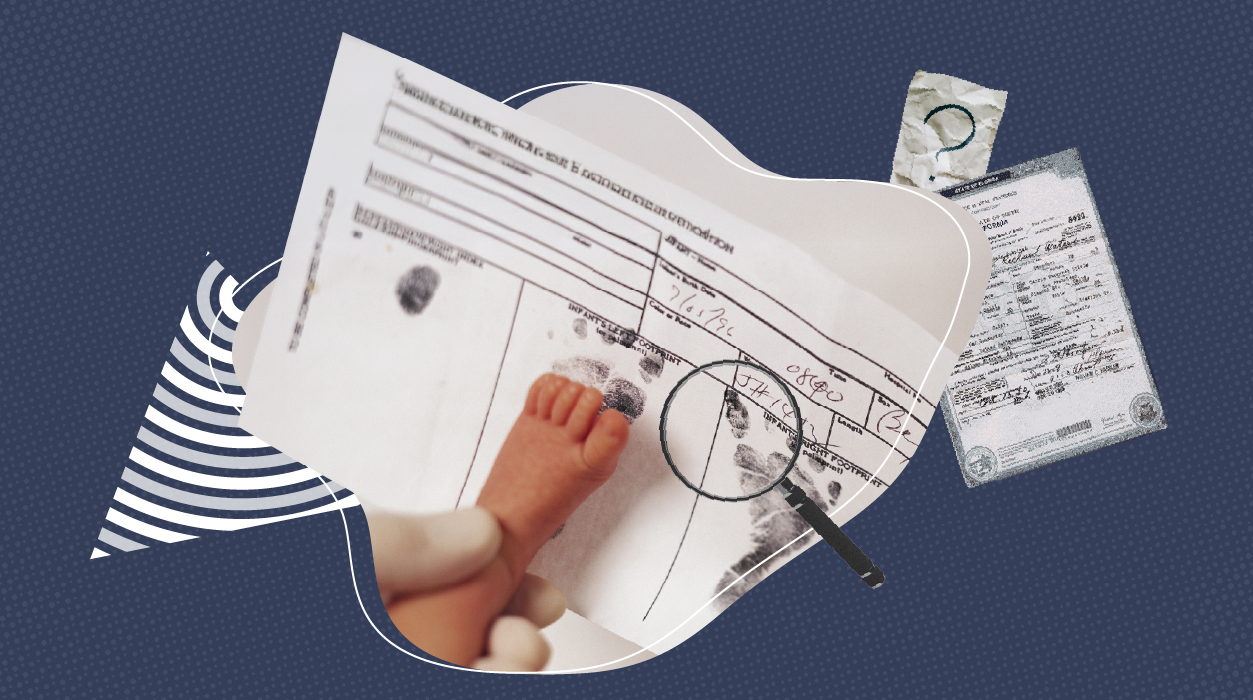
A baby"s footprint on a hospital birth certificate

When you start looking for your proof of birth — maybe to apply for a passport or driver’s license or to enroll in school — you might reach for the hospital birth certificate. It’s often the first record your parents received for you. But is it enough for legal use? In this article, we’ll explain the difference between hospital and certified birth certificates, why it matters, and how to get the legal document you need. Let’s break it down.

Is a Hospital Birth Certificate Legal Proof

If you’ve ever come across a certificate with baby footprints, decorative borders, and hospital logos, you might wonder: Is this my birth certificate?

The short answer: No. A hospital birth certificate might look official. It may include your full name, birthdate, and a signature by the doctor, but legally, it doesn’t hold the same weight as a certified birth certificate issued by the state.

In most situations where legal proof of identity or citizenship is needed, a hospital birth certificate won’t be accepted; instead, you’ll need a certified copy from the state’s vital records office.

What Is a Hospital Birth Certificate?

This type of certificate is usually given to parents by the hospital after the baby is born and is often put in a frame or included in a baby book. These documents typically:

  1. Feature decorative elements (like baby footprints or illustrations)
  2. Include hospital branding or logos
  3. Are signed by hospital staff, not a state registrar

It’s meant more for a keepsake than a legal document. It may contain important identity information, but it isn’t registered with any government agency and isn’t printed on security paper or stamped with an official state seal.

This hospital birth certificate is not to be confused with a hospital certificate of live birth, which is an unofficial draft of a vital record created by medical staff and entered into their database internally to report to the state. This hospital record can be valuable if, for example, you have an error on your birth certificate; the hospital’s live birth record may be requested and used as proof to show your correct name or sex.

Neither of these hospital records is legal in the state and, therefore, does not carry legal weight in proving your identity, including your full legal name, date of birth, or citizenship.

Reasons Hospital Birth Certificates Are Not Accepted

The primary reason hospital birth certificates are not accepted as legal documents is that hospitals are not government agencies and do not maintain a centralized repository for birth records. These birth certificates are not filed with the state. Hospitals send birth details to the government, but the certificate they give you isn’t part of the official state records. Only a government-issued certificate proves the state has recorded your birth. That’s the version accepted legally by courts, DMVs, federal agencies, and other institutions. Government agencies and institutions do not take hospital certificates for any legal process because they:

  1. They are not tracked or standardized
  2. It can be easily forged or altered.
  3. Don’t fulfill the legal verification requirements set by most agencies.

How to Request a Certified Copy of a Birth Certificate

If you don’t already have a certified copy — or if you’ve lost it — you’ll need to request one from the correct government agency. Here are the steps to get started:

  1. Figure out the right office to request with: Each U.S. state has a vital records office (birth records are not part of the federal government). This vital records office is usually part of the state health department. You will need to request the certificate from the state where the birth occurred (not from the state where you currently reside).
  2. Check the requirements: Every state has its own rules. You will typically need to provide identification and information about the birth.
  3. Choose how to apply: Online, by mail, in-person, or by phone. Requesting a certified copy of your birth certificate through your state’s vital records office is simple with services like Vital Records Online (VRO), which has a secure, easy online platform to assist you with the application process of receiving your certified copy with no delays. VRO offers a safe application process tailored to your state with the added benefits of:
    1. Step-by-step guidance
    2. Avoid government red tape and mailing errors.
  4. Wait for Delivery: Processing times can vary.

Get started with your certified birth certificate request here.

You can also request your birth certificate through the state or county office where the birth occurred, either by mail or in person. Check with your state’s vital records office for more information on how to apply directly.

Next Steps if You Need a Certified Birth Record

While a hospital birth certificate can be a meaningful keepsake, it won’t work for legal purposes, which require standardized requirements such as state seals and security paper. It’s not a replacement for the real thing, and attempting to use it could slow down the process when applying for official documents.

If you don’t have a certified birth certificate, it’s worth taking the time to request one, so you’re covered for anything that requires official proof of birth, from school to travel to government programs.

If you need help obtaining one, Vital Records Online is here to make the process transparent, secure, and stress-free.

Start your request now and get your official birth certificate delivered.