How to Correct an Error on a Death Certificate: A Step-by-Step Guide

  1. Home
  2. Blog
  3. Vital Records
  4. How to Correct an Error on a Death Certificate: A Step-by-Step Guide
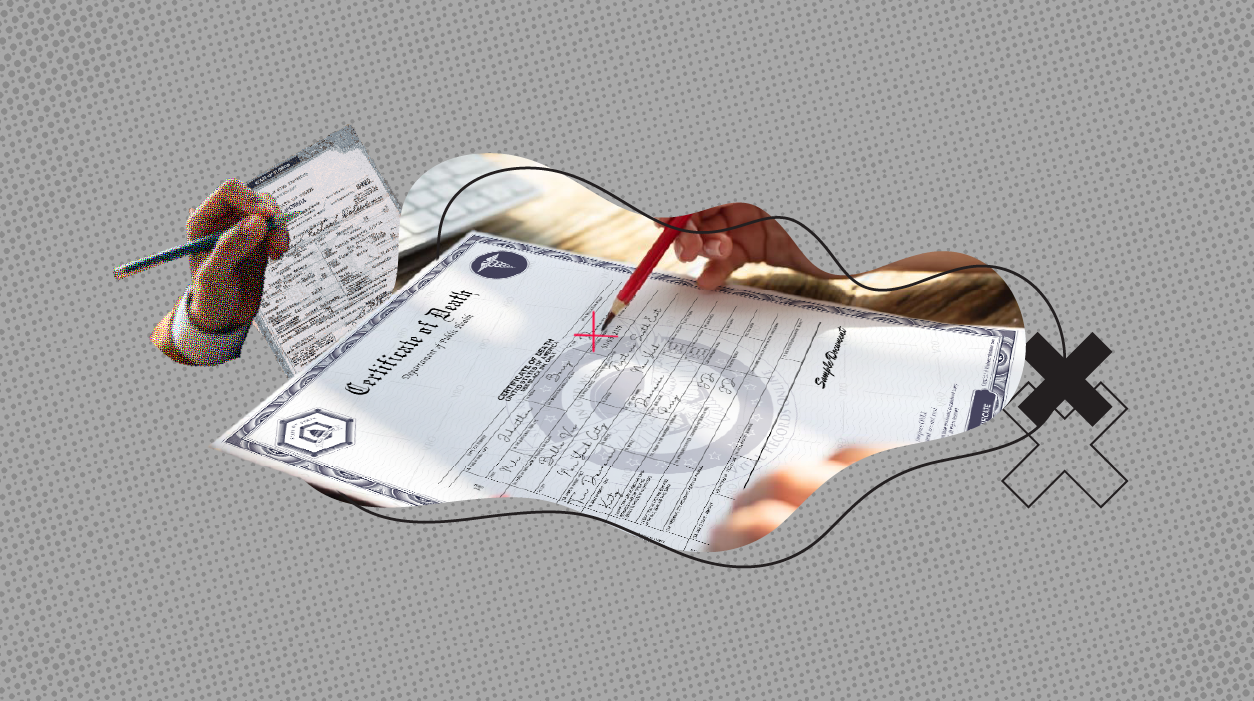
Close-up collage of hands filling out official documents, including a death certificate form, with a pencil marking an X. The background features a gray dotted texture with abstract shapes and black X marks, creating a modern graphic design.

Accurate information on a death certificate is crucial for resolving important matters, such as estate administration, insurance claims, and legal documentation. Even small errors—such as a misspelled name, incorrect date, or medical detail—can create unnecessary delays or complications. Fortunately, there are clear steps you can take to correct a death certificate and ensure the record reflects the truth. This guide provides detailed explanations on how to correct errors on a death certificate, what to expect throughout the process. It offers helpful tips for ensuring that the corrected document meets your specific needs.

Correcting Errors on a Death Certificate

A death certificate is an official legal document that records essential details surrounding an individual’s passing. It serves as a vital record that holds significance not only for the deceased’s family but also for legal and government bodies. Even minor mistakes can trigger significant delays in probate proceedings and impact inheritance rights, complicate insurance claims, or create confusion in family records.

For instance, a misspelled name can lead to questions about identity and may require additional verification steps, resulting in unnecessary delays. Similarly, an incorrect date of death can affect timelines in legal contexts, complicating matters related to wills, trusts, and estate settlements. Inaccurate medical details can impact insurance claims and may lead to denials or disputes. Therefore, ensuring the accuracy of a death certificate is essential for smooth administrative processes, providing families with both legal validity and emotional reassurance.

Common Errors Found on Death Certificates

Understanding the types of errors that frequently occur on death certificates can help you prepare for the correction process. Some of the most common mistakes include:

  • Misspelled names, whether of the deceased or the informant, can lead to significant identification issues.
  • Wrong dates, such as the date of death or the date of birth, create complications in legal and personal records and may affect timelines for insurance or estate matters.
  • Incomplete or inaccurate information regarding the cause of death can lead to complications during insurance claims, as this information is often a key component in determining payouts.
  • Incorrect details regarding the place of death or other personal identifiers, like Social Security numbers, can create additional bureaucratic hurdles.

Steps to Correct a Death Certificate

While the process of correcting a death certificate may initially seem daunting, breaking it down into a series of clear steps can make it manageable.

Step 1: Carefully review the death certificate to identify any errors. Once you’ve identified all mistakes, gather the necessary supporting documents that substantiate the correct information. This may include a birth certificate or marriage certificate for name corrections, hospital or medical records for changes related to the cause of death, and official identification documents to help verify your identity.

Step 2: Contact the vital records office responsible for death certificates in the state or county where the death occurred. This office will have the authority to issue and amend death certificates. Visiting their website or calling directly will yield essential information about the specific process, any required forms, and the potential fees associated with making amendments. It’s important to gather all relevant details so you are prepared and informed before submitting your request.

Step 3: Complete a correction or amendment form, which most states require. This form typically asks for a detailed account of the specific errors found on the original certificate, along with the correct information you wish to include. Make sure to provide a rationale for the corrections and include copies of any supporting documents that further validate your request.

Step 4: Submit your request along with the necessary documentation to the appropriate vital records office. Depending on your state’s regulations, some offices may allow online submissions or in-person requests, while others may require that you mail physical copies. Regardless of the method, it is advisable to keep copies of all submissions for your records.

Step 5: Processing times for amendments can vary widely by state, ranging from a few days to several weeks. During this time, the vital records office may reach out for additional information or verification. This step is standard, so remaining patient while awaiting their response is essential.

Once your request has been processed and approved, you will receive an amended death certificate that reflects the corrections made. This revised document is officially recognized and valid for all legal purposes, giving you peace of mind that the information is now accurate.

Additional Tips for a Smooth Correction Process

Medical information: If your correction involves medical information or the cause of death, be prepared that you might need a doctor, medical examiner, or coroner to provide a signed statement or updated report. This step can be crucial for ensuring that the necessary changes are officially recognized.

Name Changes: For corrections related to legal name changes or court decisions, it’s vital to submit certified copies of the court order alongside your request. This ensures that your amendments are legally binding and recognized by all relevant authorities.

Proof of Relationship: If you are correcting the death certificate on behalf of a deceased family member, check whether you need to present proof of your relationship or legal authority to make these changes. Documentation that demonstrates your relationship can expedite the process and help avoid potential complications.

Contact Local VR Office: In instances where you find the process particularly challenging or you are unsure about how to proceed, don’t hesitate to reach out to your local vital records office for guidance. They can provide tailored advice and resources specific to your state’s requirements, ensuring you have the most relevant information possible.

In summary, correcting a death certificate may seem complex at first, but by following a clear, step-by-step approach, you can ensure the document accurately reflects the deceased’s information. A corrected death certificate is essential not only for legal matters but also for emotional closure for the surviving family members. Accuracy helps ease the stress of administrative processes and provides families with the peace of mind they need during a difficult time. When in doubt, don’t hesitate to seek assistance from officials who specialize in vital records—they are there to help you navigate this important process.