Moving to a New State? Why You May Need a Certified Birth Certificate First
Relocating to a new state involves more than just packing boxes and updating your address. Whether you’re moving for work, school, family, or a fresh start, certain documents are essential to getting settled, and one of the most commonly needed is a certified birth certificate. While it may not be top of mind during a move, this official record plays a key role in accessing services, updating your driver’s license, enrolling kids in schools, applying for state benefits, or starting a new job. In this guide, we’ll also explain what a certified birth certificate is, how to get one, and what to do if you need it quickly during your transition.
Last updated April 2026.
Why You Might Need a Certified Birth Certificate When Moving
Here’s how your birth certificate fits into the picture:
Getting a New Driver’s License or State ID
Almost every state requires you to obtain a new driver’s license or state identification card within 30 to 90 days of establishing residency. This is especially urgent if you plan to drive, register a car, or vote in your new state.
A certified birth certificate is often accepted as primary proof of both identity and U.S. citizenship, particularly for individuals who don’t possess a valid U.S. passport. This is also required when upgrading to a REAL ID, the federally compliant form of identification that will be required for domestic air travel starting May 7, 2025.
Registering for School or Childcare
If you’re moving with children, enrolling them in a new public or private school will require documentation to prove their age and legal guardianship. Most school districts and early childhood centers require a birth certificate.
The birth certificate not only confirms the child’s legal name and age but also establishes parental rights, which may be important for custody documentation, emergency contacts, or confirmation of guardianship.
Applying for State Benefits or Health Insurance
When applying for state-funded healthcare, food assistance, or housing programs in your new state, you’ll need to provide proof of identity and citizenship or legal residency.
Programs like Medicaid, CHIP (Children’s Health Insurance Program), and SNAP (Supplemental Nutrition Assistance Program) often request:
Having your birth certificate ready can prevent delays in accessing essential health services and benefits, especially if you’re moving without current health coverage.
Transferring Professional Licenses
If you’re in a licensed profession—like nursing, real estate, teaching, or cosmetology—you may need to transfer or reapply for your license in your new state.
In some cases, you may also need to submit your marriage or divorce certificate in addition to your birth certificate to reconcile name discrepancies.
Registering to Vote
Most states allow you to register to vote online or when you apply for a new driver’s license. But if you’re registering in person or without a DMV-issued ID, you may be asked to show:
Your birth certificate provides verification of citizenship, a key requirement for voter eligibility in U.S. elections.
Changing Your Name or Gender Marker
If you’re moving to a new state and want to legally change your name or update the gender marker on your driver’s license or ID, the process varies by jurisdiction. However, in nearly every case, your original birth certificate will be a required part of the documentation.
Some states will also issue amended birth certificates reflecting name or gender marker changes, depending on your legal status and medical documentation.
Proving Identity for Employment or Background Checks
Starting a new job in your new state? Under federal law, employers must verify your identity and work eligibility using Form I-9.
Employers may also conduct background checks that require verifying your full legal name, date of birth, and Social Security number—all of which are easier to validate with a birth certificate.
Getting a Marriage License
If you’re planning to get married in your new state, the local county clerk may request a certified birth certificate as part of the marriage license application process.
Even though it’s not always required, having your birth certificate on hand can prevent unnecessary delays or paperwork issues, particularly in states with more stringent ID requirements.
How to Get a Certified Birth Certificate
If you don’t already have a certified copy, you’ll need to request one from the vital records office in the state where you were born, not the state you’re moving to. Each state has its own rules and procedures. Still, most states allow you to order a certificate online through the state’s official website or an authorized third-party provider, by mail using a completed application form and a valid ID, or in person at the state or local vital records office.
Tip: Order multiple certified copies if you anticipate needing them for school, employment, ID, or benefits. Some institutions may keep the copy and not return it.
What to Do If You Were Born Abroad
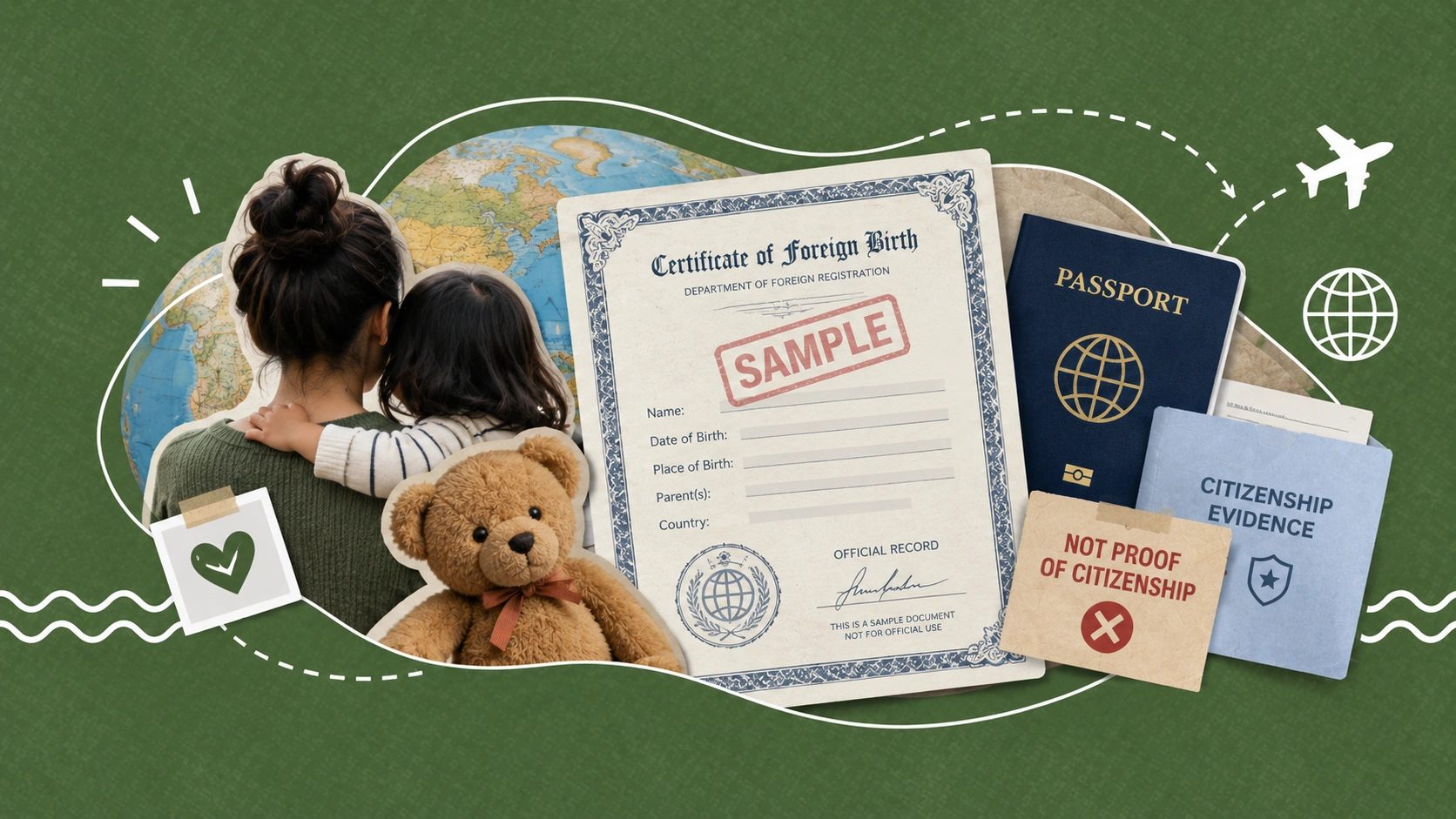
If you were born outside the United States but are a U.S. citizen, you’ll need to request a Consular Report of Birth Abroad (CRBA) or a Certificate of Birth Abroad from the U.S. Department of State. These documents are equivalent to a birth certificate and are accepted for most legal and administrative purposes in the U.S.
To request one, contact:
If you were born abroad and are not a U.S. citizen, you may need to submit foreign birth documents that have been translated into English and, if applicable, notarized or apostilled.
Moving with Children? Don’t Forget Theirs
If you’re relocating with kids, don’t forget to request certified copies of their birth certificates as well. You’ll need them for:
- School registration
- Pediatric care and insurance enrollment
- Childcare services
In some cases, you may also need proof of guardianship or custody agreements if you’re moving after a divorce or with stepchildren.
Making the Move
Moving to a new state brings plenty of excitement and paperwork. While it’s easy to focus on leases, utility bills, and moving trucks, your certified birth certificate is one of the most important documents to pack (or request) before the big move.
From updating your driver’s license and registering your kids for school to securing employment or applying for state benefits, your birth certificate is often required to establish your identity, legal status, and eligibility. In many cases, delays in obtaining it can hinder your access to services, benefits, or official documentation in your new state.
If you’re planning a move or are in the middle of one, take a moment to make sure your birth certificate (and your children’s, if applicable) is up to date, certified, and easily accessible. It’s a small but powerful step that can smooth your transition and help you settle into your new life with fewer obstacles.
Frequently Asked Questions
Can I get a REAL ID-compliant driver’s license without a birth certificate?
In some cases, a valid U.S. passport can substitute for a birth certificate when applying for a REAL ID. However, if you don’t have a passport, a certified birth certificate is typically required as primary proof of U.S. citizenship. Check your new state’s DMV website for the full list of accepted documents.
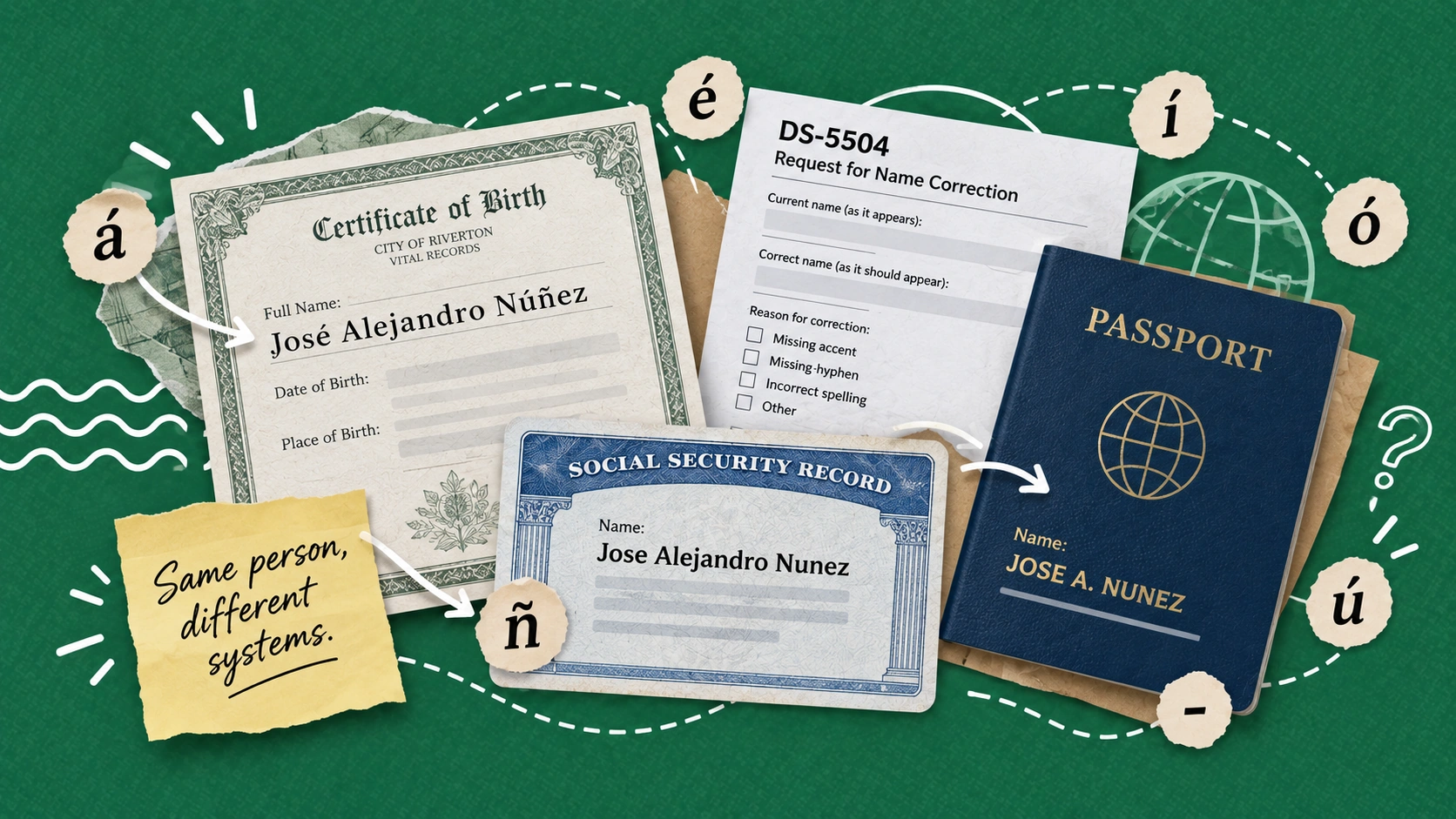
What if my birth certificate has a different name than my current ID?
If your name has changed due to marriage, divorce, or a court order, you’ll need to present supporting documents—such as a marriage certificate, divorce decree, or court order—alongside your birth certificate to reconcile the discrepancy. In some cases, you may need to correct or amend the birth certificate itself first.
How long does it take to get a certified birth certificate if I need one urgently for a move?
Standard processing varies by state, typically 2 to 6 weeks for mail-in requests. Online requests through state portals or services like Vital Records Online are often faster. Many states also offer expedited processing—sometimes within 1 to 3 business days—for an additional fee.