How to Add a Father’s Name to a Birth Certificate

  1. Home
  2. Blog
  3. Birth Certificate
  4. How to Add a Father’s Name to a Birth Certificate
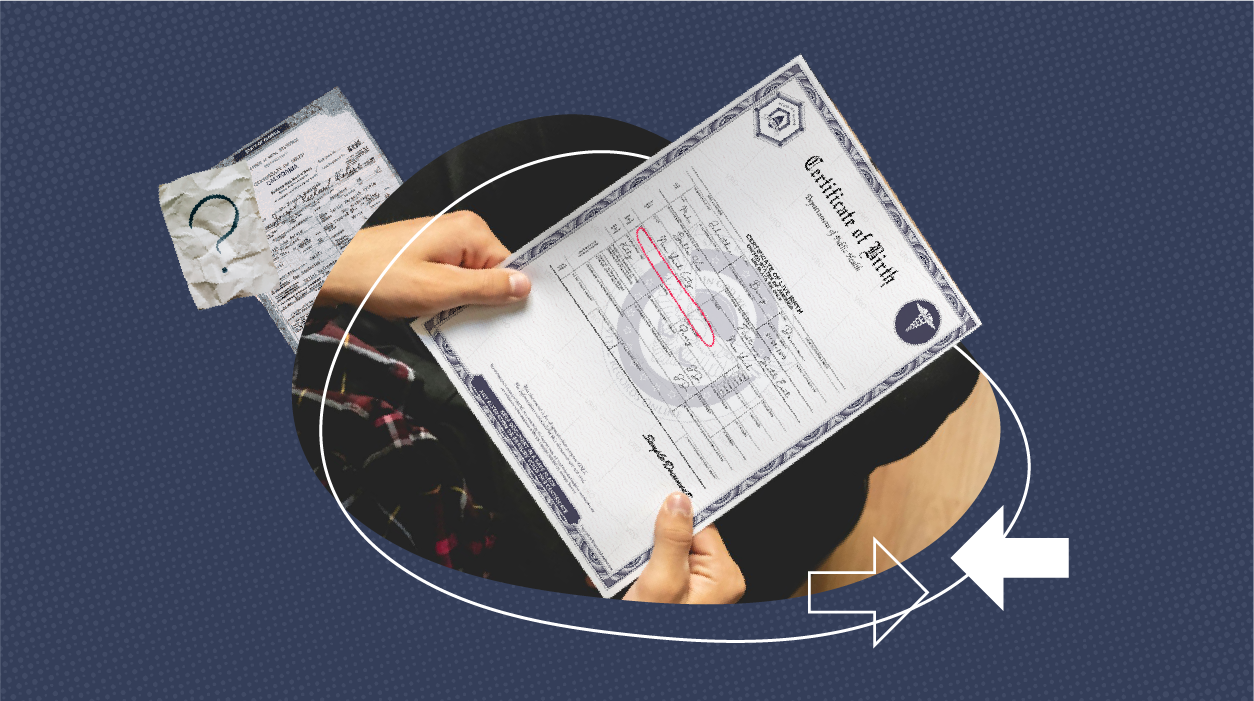
Person holding an official birth certificate with a name highlighted in pink. A torn paper document is partially visible in the background, over a dark blue textured surface with white circular and arrow graphics.

Adding a father’s name to a birth certificate is a significant legal step that can impact everything from parental rights and responsibilities to inheritance, custody, and emotional identity. Whether you’re establishing paternity voluntarily or through a court order, the process varies by state, yet follows general legal principles across the U.S.

This guide walks you through the process of adding a father to a birth certificate, covering both voluntary acknowledgment of paternity and court-ordered paternity establishment, and explains the documents, forms, and timelines that may be involved, depending on your state.

Why Add a Father’s Name to a Birth Certificate?

Adding a father’s name to a birth certificate serves an important legal and emotional purpose, formally recognizing the paternal relationship and securing rights for both parent and child. Including the father’s name helps establish legal paternity, which in turn can make the child eligible for important benefits such as Social Security, veterans’ benefits, and inheritance rights. It also grants the father legal rights and responsibilities, including custody, visitation, and financial support. Beyond the legal implications, it can provide the child with a stronger sense of emotional and social identity. Without legal paternity, a biological father may have no legal claim to the child, and the child may lose access to essential support and protections.

When Is the Father’s Name Automatically Included?

Suppose the parents are married at the time of the child’s birth. In that case, the husband is usually presumed to be the legal father, and his name is automatically added to the birth certificate without additional paperwork. If the parents are not married, the father’s name is not added automatically. In these cases, paternity must be established either voluntarily or through a court order.

Voluntary Paternity Acknowledgment

The easiest way to add a father’s name to a birth certificate when the parents are unmarried is through a Voluntary Acknowledgment of Paternity (VAP) form. This process is available in every U.S. state and is recognized legally nationwide.

How It Works:

1. Both Parents Sign a Voluntary Acknowledgment of Paternity (VAP) Form

The Voluntary Acknowledgment of Paternity form allows unmarried parents to legally establish the father’s parental rights without going to court. Both the mother and the alleged father must sign the form under oath, confirming that the man is the biological father of the child. This form becomes a legally binding document once it is signed and properly filed.

2. At the Hospital or Later at a Government Office

Hospitals typically offer the VAP form to parents shortly after the baby is born, allowing them to complete it on-site before the baby is discharged. If not completed at the hospital, parents can sign the form later at an approved location such as a local vital records office, child support agency, or public health department. Staff at these locations can often provide guidance and witness signatures, if required.

3. Submit the Completed Form to the State’s Office of Vital Records

Once signed, the original VAP form must be submitted to the state’s Office of Vital Records, either by mail or in person, depending on the state’s procedure. Some states allow hospital staff to send the form directly, while others require the parents to handle submission themselves. It’s important to confirm proper delivery, as the form won’t be processed until it is officially received and recorded.

4. The Birth Certificate Is Updated to Include the Father’s Name

After the VAP is processed, the father’s name is added to the child’s birth certificate. Depending on the state, this update may happen immediately or take several weeks. The amended birth certificate becomes the child’s official legal record, and it can be used for identification, benefits, and establishing the father’s legal rights and responsibilities.

Required Documents: To complete a paternity acknowledgment, both parents must provide valid photo identification. If the child’s birth certificate is already on file and needs to be amended, an original or certified copy may be required. Additionally, the paternity acknowledgment form must be fully completed, and in some states, it must also be notarized before submission.

Court-Ordered Paternity

If the mother and father do not agree on paternity, or if one party is unavailable or unwilling to sign a VAP form, paternity may need to be established through the court.

Steps in Court-Ordered Paternity:

1. File a Petition for Paternity in Family Court

The legal process begins when a petition to establish paternity is filed with the family court in the county where the child or one of the parents resides. The child’s mother, the alleged father, or a government agency—often in cases involving public assistance or child support —can submit this petition. The petition formally requests that the court determine the child’s legal father.

2. The Court May Order Genetic (DNA) Testing if Paternity Is Disputed

If either party contests paternity or there is uncertainty, the judge will typically order DNA testing to resolve the issue. Both the child and the alleged father (and sometimes the mother) must submit to a cheek swab or blood test, which is usually conducted at an approved lab. The test compares genetic markers and provides a result with at least 99% accuracy if a biological match is found.

3. If the Test Confirms Biological Fatherhood, the Judge Issues a Paternity Order

Once DNA results confirm the man is the child’s biological father, the court will issue a legal document known as a paternity order. This establishes the father’s legal rights and responsibilities, including the possibility of child support, custody, or visitation. The order becomes part of the court record and may also include provisions for parenting time and financial support.

4. The Court Order Is Sent to the Office of Vital Records to Update the Birth Certificate

After paternity is legally established, the court sends a certified copy of the order to the state’s Office of Vital Records or Department of Health. That office will then amend the child’s original birth certificate to include the father’s name. This updated certificate can be used for legal identification, insurance, benefits, and other official purposes.

Additional Notes:

  • Some states require the father to also petition for custody or visitation separately, even after paternity is established.
  • A court-ordered paternity process typically takes longer than a voluntary acknowledgment, often spanning several weeks or months.

Can You Add a Father’s Name to a Birth Certificate After It’s Issued?

Yes, you can add or amend a father’s name after the birth certificate has already been issued, but the process varies by state and depends on whether paternity has already been legally established.

If paternity is voluntary, you can submit a paternity acknowledgment form and request an amended birth certificate. Voluntary acknowledgment: typically takes 1–4 weeks to process and receive an updated birth certificate

If paternity is court-ordered, submit the certified court order along with a request for amendment to the state’s Office of Vital Records. Court-ordered paternity: varies, but typically ranges from several weeks to several months, depending on the case’s complexity and whether DNA testing is required.

Corrections to birth certificates due to mistaken identity may take longer and require legal documentation to process. Some states charge a processing fee for issuing a new birth certificate that includes the father’s name.

What If the Wrong Father Is Listed?

If the wrong person is listed as the father on a birth certificate, the mistake must be corrected through a legal process. This typically involves filing a petition in family court to disestablish paternity, along with submitting DNA evidence to prove that the listed individual is not the biological father. If the court agrees, it will issue a legal order directing the Office of Vital Records to amend the birth certificate. Once that order is processed, a corrected certificate can be issued reflecting the accurate parentage.

State Differences to Know

Each state has its specific forms, procedures, and timelines for establishing paternity or updating a birth certificate. For example, both New York and California allow parents to sign a Voluntary Acknowledgment of Paternity (VAP) form either at the hospital or later through local health departments. In Texas, the Acknowledgment of Paternity (AOP) must be signed, notarized, and then submitted to the state’s Vital Statistics Unit. Florida permits updates to the birth certificate either through a court order or directly through the Bureau of Vital Statistics if the child is under 18. Requirements vary by state, so checking your state’s vital records website is the best way to get accurate, location-specific guidance and prevent potential delays.

Ordering Birth Certificates with Father’s Name

Once the father’s name is officially added to the birth certificate, it’s a good idea to order several certified copies. These copies are often required for things like applying for a passport, enrolling in school, or accessing government benefits. To make this process easier, many parents turn to third-party vendors like Vital Records Online. This service allows you to quickly and securely order multiple certified copies from your state’s vital records office without the hassle of visiting in person. Having extra certified copies on hand can save time and streamline future paperwork needs.

Moving Forward with Paternity Establishment

Adding a father’s name to a birth certificate is an important legal step that can support a child’s rights, solidify a father’s legal relationship, and ensure access to vital services and benefits. Whether you go the voluntary route or require court intervention, understanding the process—especially how it varies by state—will help you complete the necessary steps correctly. If you’re uncertain about which forms to file or how to start, contact your local vital records office or family law attorney for guidance. With the proper documentation and a clear understanding of your options, establishing legal paternity is a manageable and meaningful process.