How to Get a Marriage Certificate for Genealogy or Family Tree Research
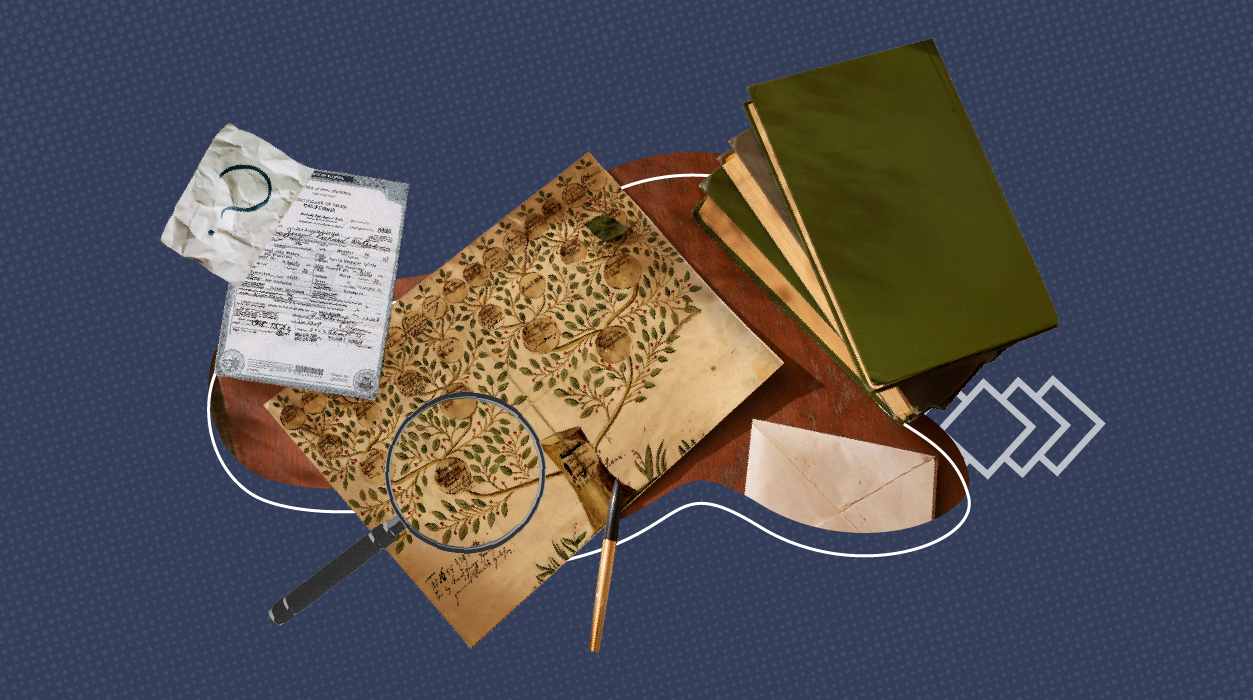
Marriage certificates are invaluable resources for genealogists, offering insights into familial connections, life events, and historical contexts. Whether you’re tracing lineage or seeking to understand ancestral ties, obtaining a marriage certificate is a pivotal step. This guide explores the process, eligibility criteria, access restrictions, and historical context of marriage records.
Updated April 2025 to reflect current state marriage records access policies for genealogy researchers.
Historical Context: Marriage Banns, Bonds, and Licenses
Before the widespread use of marriage certificates, various traditions and legal requirements existed:
- Marriage Banns: Public announcements made in churches, typically over three weeks, to inform the community of an impending marriage. This practice was prevalent in New England and Southern states until the mid-1800s.
- Marriage Bonds: A financial guarantee, often posted by a groom or a relative, ensuring the legality of the forthcoming marriage. Common in Southern and Middle-Atlantic states up to the mid-1800s.
- Marriage Licenses: Official permissions obtained from civil authorities, granting couples the right to marry. These became more common in the 20th century and often contain detailed genealogical information, including parents’ names and occupations.
Understanding the Importance of Marriage Records in Genealogy
Marriage records are among the most revealing and useful documents in genealogical research. Because marriages are legal, social, and often religious milestones, they were typically well documented—often more consistently than births or deaths, especially before the 20th century.
Here’s why marriage records are essential in tracing family history:
Establish Legal Family Connections: Marriage records legally formalize the union of two individuals and often include the names of both sets of parents. This can be especially helpful in identifying maternal and paternal lines when surnames differ or when birth records are missing.
Help Confirm Identities: Genealogists often deal with common names or inconsistent spellings. Marriage records help confirm the correct identity of an ancestor through associated information, such as age, residence, occupation, and names of witnesses. This is especially helpful in separating two individuals with the same or similar names in the same geographic area.
Provide Clues to Other Records: Information from marriage records can unlock access to other types of historical documents. For example, addresses can help locate individuals in census, land, or tax records. Occupations may lead to union or professional directories. The names of witnesses may reveal close family friends, siblings, or in-laws who also appear in other legal documents.
Fill Gaps in the Record: Especially before standardized birth and death registration began (often not until the early 20th century in many states), marriage records might be the only official documentation of a person’s existence. Some individuals left no birth certificate, no will, and no death certificate—but they got married, and a civil or religious authority recorded that event. For example, in rural parts of Georgia or Kentucky in the 1800s, marriage bonds or minister returns may be the only surviving documents for many individuals.
Reveal Maiden Names and Female Lineage: One of the most challenging tasks in genealogy is tracing women, especially those who changed their names after marriage. Marriage records are often the only source that documents a woman’s maiden name, which can unlock a new family line and direct you to earlier generations.
Provide Context for Social and Religious Practices: Marriage records can also reflect cultural, religious, and legal norms of the time. Whether a couple married in a church or at a courthouse, whether a guardian had to give consent for an underage bride, or whether racial or interfaith marriages were recorded differently—all of these details help build a more accurate social history of your ancestors.
Document Life Milestones Between Census Years: U.S. federal censuses are taken every 10 years. A lot can happen in between, including marriages, divorces, or remarriages. A marriage record can document the changing structure of a family between census years and clarify the timing of events.
For example, if a woman is listed with the surname “Miller” in the 1920 census and “Clark” in the 1930 census, a marriage certificate from 1923 showing she married a man named Clark confirms the change and explains the difference in surname.
Suggest Religious Affiliation or Immigration Patterns: Marriage records, especially those kept by churches, often include denominations. In some cases, they’re even written in foreign languages, reflecting the heritage of immigrant populations.
Eligibility and Timeframes for Accessing Marriage Records
Access to marriage records varies across states, with different eligibility criteria and timeframes before records become publicly accessible. Access to marriage records is typically governed by state laws:
- Public Records: In many states, marriage records are considered public documents and can be requested by anyone.
- Restricted Access: Some states impose restrictions, granting access only to individuals with a direct interest, such as the individuals named in the record or immediate family members.
- Confidential Marriages: Certain states, like California, offer confidential marriages where the records are sealed and not accessible without a court order.
Below is an overview:
| State | Record Status / Public Access Timeframe | Eligibility & Notes |
|---|---|---|
| Alaska | Confidential for 50 years | During the restricted period, access is limited to named individuals or legal representatives. |
| Arkansas | Public after 50 years | Within 50 years, only named individuals, parents/guardians, legal reps, or authorized persons may obtain records. |
| California | Confidential Marriages are closed; unsealed marriages are public after 6 months | Records are sealed and not accessible without a court order. |
| Connecticut | Public for individuals 18+ | Genealogical societies authorized by the Secretary of State have full access to all marriage records. |
| District of Columbia | Public after 125 years | Access is restricted for records within the 125-year timeframe. |
| Louisiana | Closed | Marriage records are sealed for 100 years. |
| Massachusetts | Public after approx. 90 years | Before 90 years, only individuals named on the certificate, birth parents, or guardians may access it; others require a court order. |
| New York | Mixed / Public after 50 years | Records after 1915 are public. Informational copies are available after 50 years. |
| North Carolina | Public | Marriage records are publicly accessible through the Register of Deeds in each county. |
| Tennessee | Public after 50 years | Records become public via the Tennessee State Library and Archives. Certified copies are available to the named parties or family members. |
| Texas | Public | Certified records are available from the county clerk where the license was issued—no waiting period. |
| Virginia | Public after 50 years | Maintained by the Virginia Department of Health. Access is restricted within 50 years to parties named or authorized persons. |
| Washington | Public (Pre-1968 via State Archives) | Records from 1968 onward are accessible through the Department of Health; restrictions apply to certified copies. |
Requesting a Marriage Certificate for Genealogy or Family Tree Research
Depending on the state, the process to obtain a marriage certificate may require proof of identity, payment of fees, completion of detailed forms, and compliance with eligibility guidelines. Here’s what to expect:
- Determine the Jurisdiction of the Marriage: The first step is identifying where the marriage took place. In the U.S., marriage certificates are filed at the county or city level, not federally. Knowing the exact county (or, in some cases, town or parish) is critical, as records are maintained by the local vital records office or county clerk.
- Complete a Marriage Certificate Application: Most states require a standardized application to be completed either online, by mail, or in person. Here’s what is typically requested on the form:Required Information:
- Full legal names of both spouses (including maiden names)
- Date of the marriage (or at least the year)
- City or county where the marriage took place
- Purpose for requesting the record (e.g., genealogical research)
- Requester’s relationship to the parties (if access is restricted)
- Contact information of the requester
Some forms may ask if you want a certified copy (suitable for legal use) or an informational or genealogical copy (not valid for legal purposes but suitable for research).
For example, the California Department of Public Health requires requesters to choose between an “authorized certified copy” (for legal use) and an “informational copy,” which is accessible for genealogical purposes but has a visible redaction mark.
- Provide Proof of Identity (When Required): In states where access to recent marriage records is restricted, you may be required to submit valid identification along with your application. For example, in Pennsylvania, if you are requesting a record less than 50 years old, you’ll need to submit a copy of a government-issued photo ID. If requesting an older record for genealogy, ID is not required.
- Pay the Applicable Fees: Each state and county sets its own fees for marriage certificate requests, which may vary depending on the type of copy and the method of request. Fees are non-refundable—even if the record is not located—so accuracy in the application is essential. Using a secure online service like Vital Records Online (VRO) helps eliminate mistakes and common errors made on the application.
- Choose a Request Method: States generally offer three methods for requesting marriage records:
- Online: Many states and counties use third-party services like VRO or internal portals.
- By Mail: Mail-in requests are common and often required for genealogical copies or out-of-state requests.
- Submit a completed application with payment (usually check or money order)
- Include a photocopy of your ID (if applicable)
- Address the envelope to the correct vital records office
- In-Person: This is the fastest method in some counties.
- Bring the completed application and ID
- Pay in cash, check, or card (depending on office policies)
Understand the Processing Time
Processing times vary by state and county, and influencing factors such as the method of request— online is usually faster than mail. Location of marriage: County offices tend to be faster than state departments. Time of year: peak genealogical seasons (like the winter holidays) may cause delays. Record age: older archived records may take longer to locate. Office staffing and backlogs: Some departments face delays due to understaffing or high request volume.
Receive the Certificate
Depending on how you requested it, your copy may arrive by mail (standard or expedited shipping), be available for download (for informational copies), or be handed to you in person if requested on-site.
Note: Certified copies typically come on special paper with embossed seals or security features, while informational copies may be printed with stamps or watermarks like “For Genealogy Use Only.”
Marriage records are valuable to genealogy. They not only validate family connections but also help genealogists discover new names, places, and relationships. Whether you’re tracing lineage through paternal lines, uncovering a grandmother’s maiden name, or confirming a suspected family connection, a marriage record often serves as the cornerstone that links generations together. Requesting a marriage certificate for genealogical research requires planning and attention to detail. While the general process is similar across states, the specifics—such as required ID, costs, eligibility, and processing speed—can vary widely. Always check the official state or county website for the most up-to-date instructions.
Frequently Asked Questions
Are old marriage records available to the public?
In most states, marriage records become public after a set period—often 50 to 100 years. Older records may be available through county courthouses, state archives, or genealogy databases like Ancestry and FamilySearch.
What details can I find on a historical marriage certificate?
Historical marriage certificates often list the names of both parties, their ages, the date and place of the ceremony, witnesses, and sometimes parents’ names—making them invaluable for building accurate family trees.
Can I get a marriage certificate for a deceased ancestor online?
Many states allow certified copies of older marriage records to be requested online through their vital records office. Third-party services like Vital Records Online can also help you navigate different state processes efficiently.