North Carolina’s Mobile IDs Launch and What It Means for Vital Records

  1. Home
  2. Blog
  3. Vital Records
  4. North Carolina’s Mobile IDs Launch and What It Means for Vital Records
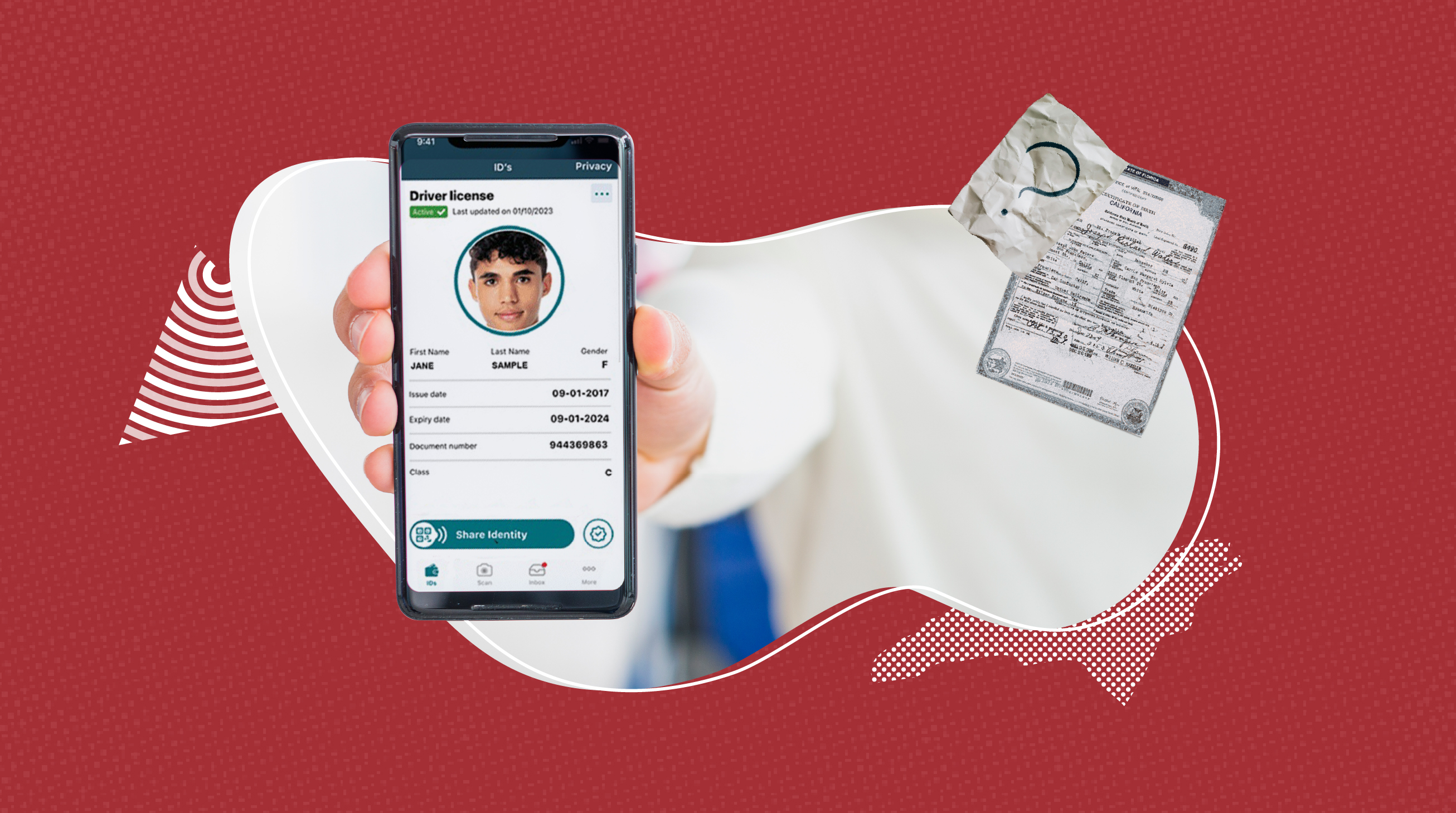
Person holding a cell phone where the digital driver license is seen as the new digital ID

North Carolina is the latest U.S. state to join the digital identity revolution. With a statewide initiative to roll out mobile driver’s licenses (mDLs) in July 2025, the Tar Heel State is positioning itself to modernize how residents access essential services, especially those involving birth certificates, marriage licenses, and other vital records.

This article examines how North Carolina’s shift toward digital identification will impact how people authenticate their identities, request vital documents, and manage sensitive information, offering enhanced security and convenience.

But what does this mean for the everyday person? Let’s explore the concept of mobile IDs, their benefits, and how North Carolina’s innovation may pave the way for similar initiatives in other states in the future.

What Is a Mobile Driver’s License and Why NC is Adopting It

A mobile driver’s license (mDL) is a digitized version of a state-issued driver’s license or ID card. Stored securely on your smartphone through a state-approved app, a mobile ID functions just like a traditional license, but with enhanced features like:

  • Real-time data encryption
  • Biometric access control (Face ID/fingerprint)
  • Dynamic QR code-based identity sharing

For example, imagine you need to verify your identity while picking up a package at the post office. Instead of fumbling through your wallet for a physical ID, you can show your mobile ID. The dynamic QR code allows the employee to scan your information securely, verifying your identity without exposing all your details.

North Carolina’s Department of Motor Vehicles (NCDMV) has confirmed that the mobile ID will be opt-in, allowing users to continue using physical cards if they choose to do so. However, the push toward digital identity aims to streamline interactions with both government and private-sector services.

How Mobile IDs Will Simplify Access to Vital Records in North Carolina

Residents in North Carolina frequently need to obtain or update vital records, such as:

  • Birth certificates (for passport applications, school enrollment, and more): For instance, parents expecting a newborn can now digitally verify their identity when applying for their child’s birth certificate online. Instead of sending physical copies through the mail, which often gets delayed or lost, they can achieve the same outcome within minutes, right from home.
  • Marriage certificates (for name changes, immigration, benefits): For example, a recently married couple applying for a joint marriage certificate won’t have to worry about typos or miswritten areas — everything is directly pulled from their authorized digital ID.
  • Death certificates (for estate planning and legal processes): Traditionally, these documents require proof of identity via a physical ID, which can be scanned, mailed, or uploaded. With mobile IDs, this step becomes easier, faster, and safer.

1. Seamless Online Requests for Birth and Marriage Certificates

Once the mobile ID is active, residents can verify their identity digitally when applying for vital records online, eliminating the need for manual uploads or notarized paper forms.

2. Improved Accuracy in Vital Record Applications

Mobile IDs can autofill verified identity details such as full name, date of birth, and address into certificate request forms, reducing errors that often delay processing.

3. Enhanced Security for Sensitive Vital Records

Whether you’re requesting a birth certificate for a newborn or ordering a marriage certificate for legal use, the mobile ID ensures your identity data is encrypted and verified before any documents are released. With concerns about identity theft on the rise, having a secure method to request essential documents is crucial. This acts as a safeguard for users, offering an added layer of trust and security.

How North Carolina’s Mobile ID Works

The North Carolina Mobile ID app (currently in pilot testing) will:

  • Be available for both iOS and Android.
  • Require users to scan their existing license and verify with a live selfie.
  • Secure access with biometric locks
  • Allow selective data sharing, such as age or residency, without exposing your entire ID.

This selective sharing is a key feature that will prove especially useful for applications involving vital records, where only specific data (like legal name or relationship status) needs to be disclosed.

Where You Can Use Your NC Mobile ID

While the initial rollout will include TSA acceptance and use in DMV transactions, North Carolina plans to extend the mobile ID’s usability to:

  • County Register of Deeds offices (responsible for issuing birth and marriage certificates)
  • Courts for identity verification in family law and estate cases
  • Online government portals for ordering and correcting vital documents

This will dramatically cut wait times and paperwork in counties across the state, especially in more rural areas where access to government offices is limited.

Vital Records and Who Benefits from mDLs

Parents ordering birth certificates for newborns

Digital ID enables them to complete the process securely from home.

Newlyweds needing certified marriage certificates

Faster turnaround for immigration filings, joint banking, and name changes.

Estate executors requesting death certificates

Accurate, encrypted identity validation helps ensure that only authorized individuals can access sensitive records.

Privacy and Control Features of North Carolina’s Digital Identity

The North Carolina mobile ID system is being designed with privacy-first principles. Users will have complete control over what data is shared, when it is shared, and with whom.

For instance:

  • Need to verify your birth certificate data? Share only your name and birthdate.
  • Ordering a marriage license copy? Share just the information required for that request, not your full driver’s license details.

This aligns with best practices in data minimization, helping build trust among users.

How to Prepare for North Carolina’s Mobile ID Launch

The state is expected to roll out the full version of the app in July 2025. Here’s how to prepare:

  1. Check NCDMV Updates: Follow the North Carolina DMV for official updates on launch dates and availability.
  2. Gather Your Physical ID: You’ll need your current driver’s license and a mobile device with a camera and biometric security enabled.
  3. Download the App Once Available: Ensure you get it from official app stores to avoid scams.
  4. Use It for Vital Record Requests: Services like Vital Records Online and county offices may soon allow digital ID verification.

North Carolina’s Mobile IDs Will Modernize Access to Vital Records

With its new mobile ID initiative, North Carolina is embracing a digital future where accessing birth certificates, marriage records, and other vital documents becomes faster, safer, and more efficient. Residents will benefit from enhanced identity verification, improved privacy, and reduced bureaucracy when managing their most important life records.

If you live in North Carolina, now is the time to prepare for the mobile ID and the simplified, secure access to vital records it will provide.