The digital transformation of government services is accelerating in the United States, with one of the most promising innovations being the rollout of digital driver’s licenses (DDL). As more states implement this technology, Americans will experience new ways to manage their birth certificates, identity verification, and vital records. This shift promises to revolutionize how we handle vital records, making everyday tasks simpler and more secure.
This article examines how digital driver’s licenses are transforming personal identity in the U.S., their impact on access to vital documents, and what you need to know to stay prepared for this significant shift.
What Are Digital Driver’s Licenses, and How Do They Work?
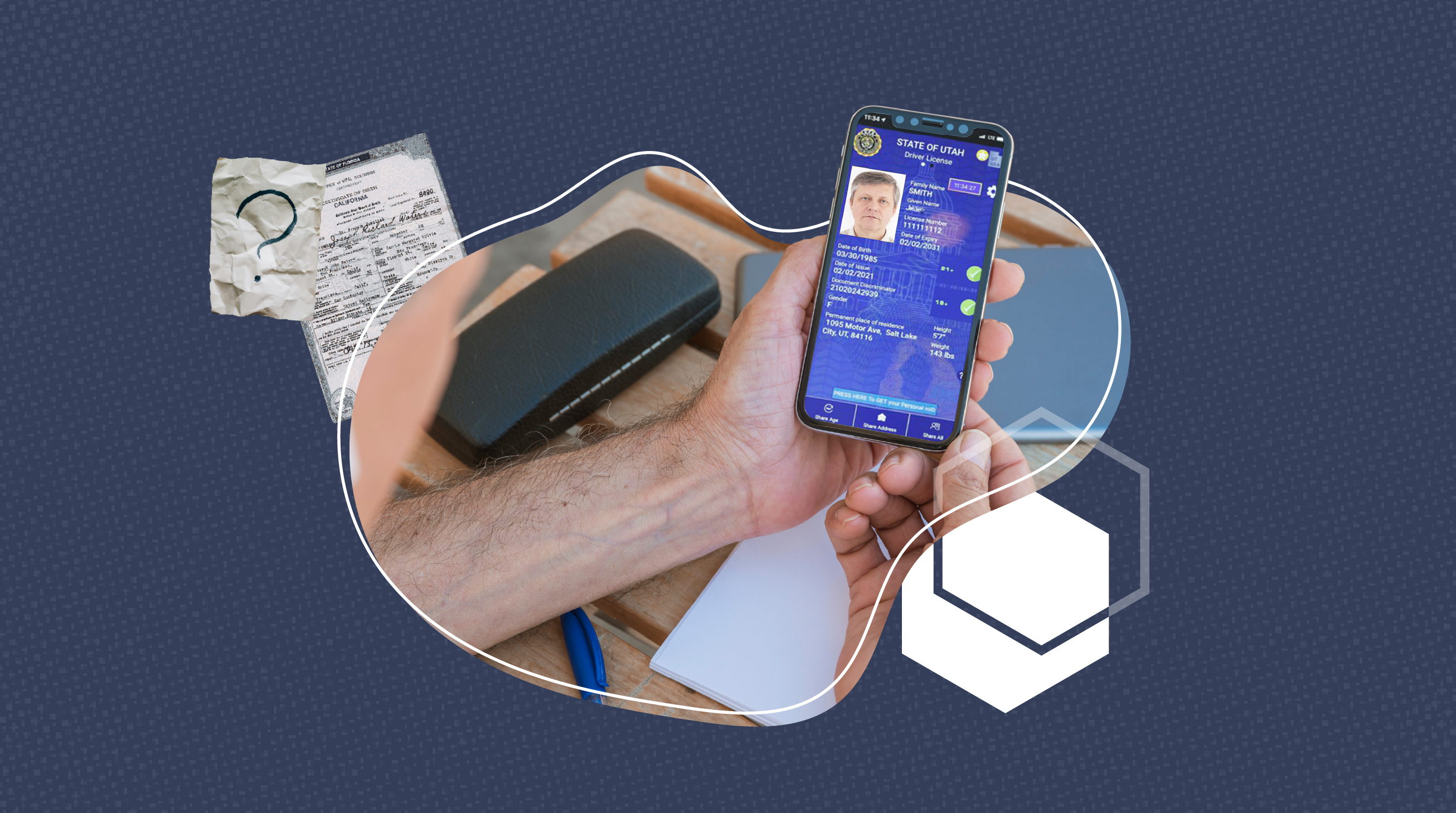
A digital driver’s license is a digital version of a traditional driver’s license that stores information like your name, address, and date of birth. DDLs can be used to verify your identity for online and in-person transactions. They are smartphone-based versions of your traditional physical driver’s license. Stored securely in a state-approved mobile app, they serve the same legal purpose but with advanced features such as:
- Biometric authentication (Face ID or fingerprint): A user can unlock their DDL quickly using a fingerprint, ensuring that only they can access their information.
- Encrypted QR codes: When a customer presents their DDL at a TSA checkpoint, the officer can scan a QR code that reveals only necessary information, like age, while keeping other personal details private.
- Selective data sharing (only show age, not full address): A user could feel more secure by verifying their age at a bar without disclosing their full address.
They are currently being rolled out in states including California, Florida, Colorado, Arizona, and Maryland, with pilot programs expanding rapidly in 2025.
Impact on Access to Vital Records Like Birth Certificates
Obtaining a birth certificate is one of the most common identity tasks for Americans. Whether you’re applying for a passport, enrolling your child in school, or verifying family lineage, you must prove your identity, often by submitting your ID alongside your request.
Here’s how DDLs improve the process:
- Instant Identity Verification: Rather than uploading or mailing a scan of your physical ID, you can now share a verified digital ID with vital records agencies or services like Vital Records Online. For example, a parent in Florida could instantly provide their digital license to enroll their child in school, eliminating mailing delays.
- Fewer Application Rejections: Errors due to low-quality image scans or outdated documents are minimized. A user in Colorado achieved success on their first attempt to obtain a birth certificate, having previously faced multiple rejections due to poor-quality scans of physical documents.
- Faster Processing: Digital identity authentication enables faster review and approval of requests for birth, death, and marriage certificates. This could lead to someone applying for a copy of their marriage certificate and potentially receiving it in a matter of days instead of weeks, thanks to streamlined processing.
States Leading the Way on DDLs
Several states have introduced DDL programs with integrated features that work with government agencies and TSA. Here’s a quick look:
- California: Over 1.5 million people can now access a mobile driver’s license via the CA DMV wallet app.
- Florida: The “Smart-ID” allows residents to present credentials without revealing personal data.
- Colorado & Arizona: Accepted at select TSA checkpoints.
- Maryland: One of the first to integrate with Apple Wallet for digital IDs.
As these programs become widespread, the process for requesting vital documents online is expected to become much smoother.
How Digital IDs Improve the Security of Vital Records
In a world where identity theft and document fraud are increasing, DDLs offer superior security compared to physical IDs:
- Multi-Factor Authentication (MFA): Reduces unauthorized access; for example, a user may need to confirm their identity through a text message code after logging into their DDL app.
- Tamper-Proof Credentials: Digital licenses can’t be forged like traditional ones; a person using a fake ID would find it challenging to replicate the encrypted features of a DDL.
- Encrypted Transmission: Protects your data when sharing with vital record-issuing services. For instance, when a user submits a request for a death certificate, their sensitive information is transmitted securely, minimizing the risk of interception.
This is especially important when requesting sensitive documents such as a birth certificate correction, a death certificate for estate planning, or a marriage certificate for legal matters.
Digital Driver’s Licenses and Passport Applications
The U.S. Department of State still requires physical documents for passport applications, but digital IDs are influencing this trend.
Shortly, expect that:
- Pre-verification via digital ID may become standard before in-person appointments. An individual traveling to renew their passport might confirm their identity online before their appointment.
- Digital driver’s licenses could be used to verify information for passport renewals. This could save time during the renewal process for frequent travelers.
- Certain states may allow the automatic pre-filling of passport application forms using your driver’s license data. Imagine filling out a passport form in minutes rather than hours by leveraging existing digital information.
Will Digital Licenses Replace Physical IDs Completely?
Not yet. While adoption is increasing, most states still recommend carrying your physical ID, especially in areas where DDLs are not universally accepted. For example, someone in a rural area might still need to rely on their physical driver’s license when visiting a local government office that hasn’t adopted DDLs.
However, as TSA, DMV, and state record offices adopt these tools, your digital license may soon become your primary form of ID, especially for:
- Online requests for birth or marriage records. With a DDL, submitting requests becomes streamlined.
- Filing corrections on vital documents. Users can quickly rectify any discrepancies, such as name changes after marriage, using their digital licenses.
- Establishing identity for trusts, wills, and government benefits. Individuals setting up a trust can securely prove their identity with their DDL, streamlining the process.
Preparing for the Future: How to Get a Digital License
Here’s how to prepare for DDL availability in your state:
- Check Your State’s DMV Website: See if a digital license program is active. For instance, the California DMV website provides clear steps to enroll in a digital driver’s license (DDL).
- Download the State’s Official App, e.g., CA DMV Wallet, Florida Smart-ID, or Arizona Mobile ID. Having the correct app simplifies the process of accessing your DDL.
- Enroll with Verification: You may need to scan your physical ID and perform a facial match, similar to setting up a banking app for additional security.
- Secure Your App: Use biometric locking for added protection, ensuring that even if someone gains access to your phone, they cannot access your digital license.
Once set up, you’ll be ready to access and submit digital credentials for vital records, travel, and more.
Digital Licenses are the Gateway to Faster Vital Records Access
As digital driver’s licenses become more widely accepted across the United States, they will change how Americans manage their identity, security, and essential documents. From simplifying access to birth certificates to improving the speed and accuracy of marriage and death certificate requests, DDLs represent a significant step toward a smarter and safer future.
If you’re planning to request your vital records online or update personal documentation, it’s worth checking to see if your state offers a digital license and starting to use the benefits.