Pre-Adoption vs. Post-Adoption Birth Certificates: What You Need to Know

  1. Home
  2. Blog
  3. Birth Certificate
  4. Pre-Adoption vs. Post-Adoption Birth Certificates: What You Need to Know
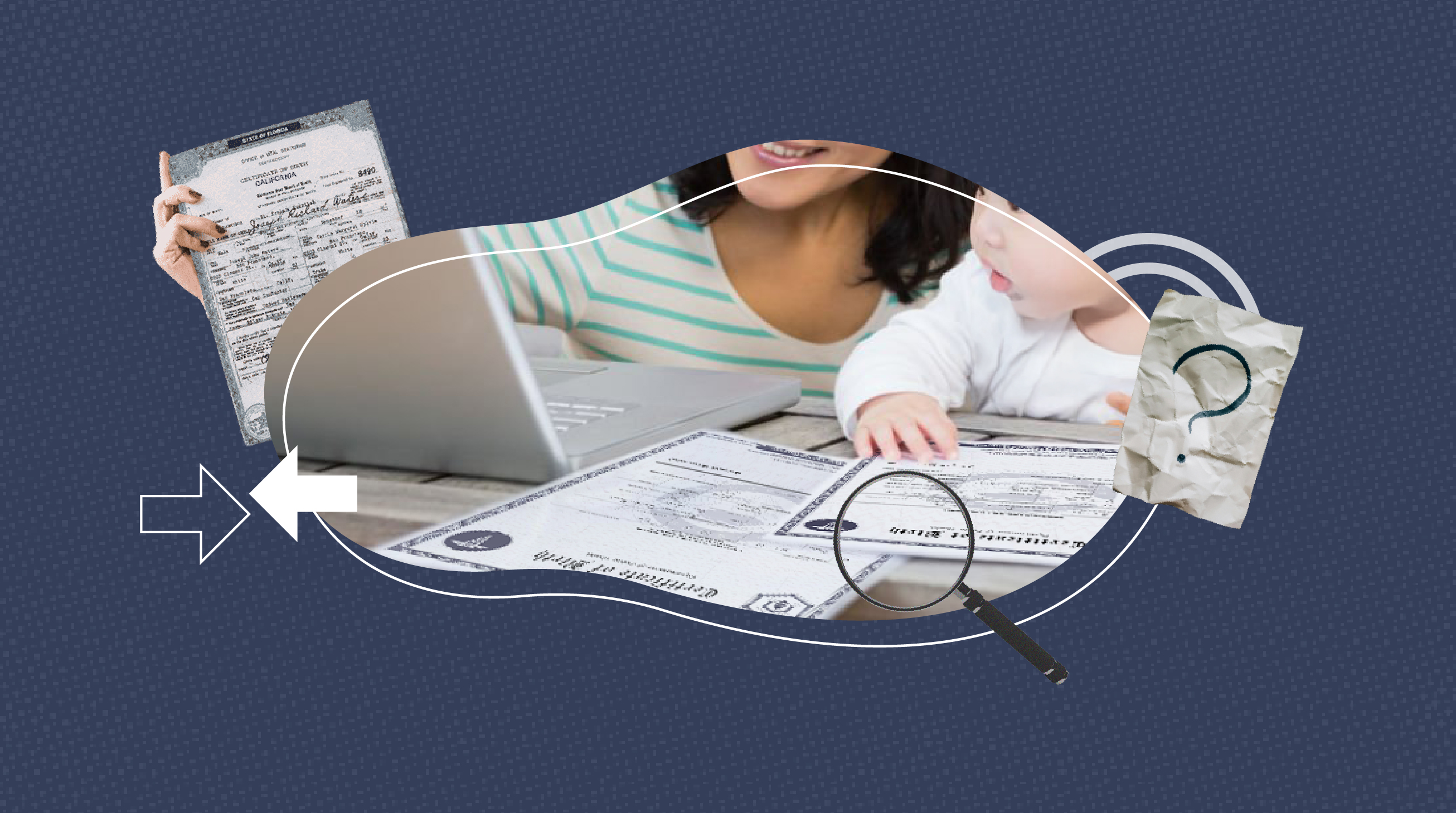
A mother and her baby sit at a desk with a laptop, reviewing official birth certificates. One hand holds a certificate labeled “State of California,” while another certificate lies on the table beside a magnifying glass. The background features a textured blue pattern with graphic elements including a white arrow and a crumpled paper displaying a question mark, symbolizing research or verification of vital records.

Birth certificates play a significant role in adoption, reflecting both legal parentage and a person’s identity and family history. For adoptees, adoptive parents, birth parents, and those involved in the adoption process, understanding the difference between a pre-adoption and post-adoption birth certificate can be important.

These two versions serve different purposes and can influence access to medical history, legal documentation, and personal background. In this article, we’ll explain what each certificate is, why they matter, who they impact, which states allow access, and how to request them.

What Is a Pre-Adoption Birth Certificate?

A pre-adoption birth certificate—sometimes called the original birth certificate (OBC)—is the version created at the time of a child’s birth. It includes:

  • The child’s birth name (if different from their adopted name)
  • The names of the biological parents
  • Birth details such as date, time, and place of birth

This is the record that existed before the adoption was finalized. In most states, once the adoption is legally completed, the original birth certificate is sealed, and a new certificate is issued.

What Is a Post-Adoption Birth Certificate?

A post-adoption birth certificate is the amended version issued after an adoption is finalized. It replaces the original birth record and includes:

  • The child’s new legal name
  • The names of the adoptive parents are listed as legal parents
  • The same birth details (date and place)

To the outside world, it appears to be any other birth certificate. However, behind the scenes, it reflects the legal and familial changes that occurred through the adoption process.

Why the Difference Matters

The pre-adoption record reflects the adoptee’s birth identity, while the post-adoption record reflects their legal identity after adoption. Both are official documents, but access to the original is often more restricted due to historical laws focused on confidentiality.

For many adoptees, especially those adopted as infants, the only birth certificate they have access to is the post-adoption version. But for those seeking answers about their biological roots, identity, or family medical history, the pre-adoption record can be vital.

Here’s why it matters:

Identity & Origin: Pre-adoption records often contain a birth name and the names of biological parents, which are essential for those who wish to learn more about their origins.

Medical History: Understanding your family’s health background can be crucial for preventive care and risk assessment. The pre-adoption birth certificate can be a starting point for this search.

Legal Rights & Benefits: In rare cases, original birth information can be helpful in matters such as inheritance, tribal membership, or dual citizenship.

Which States Provide Access to Pre-Adoption Birth Certificates?

Access to pre-adoption birth certificates (OBCs) varies state by state. As of 2025, the following states allow adult adoptees (typically 18 years or older) to request their OBC without a court order or birth parent consent:

  • Alabama
  • Alaska
  • Colorado
  • Connecticut (missing from your list)
  • Georgia (new in 2025)
  • Kansas (OBCs were never sealed)
  • Maine
  • Massachusetts
  • Minnesota
  • New Hampshire
  • New York
  • NYC
  • Oregon
  • Rhode Island
  • South Dakota
  • Vermont

In these states, adoptees can request both the post-adoption and original (pre-adoption) birth certificates, typically with a straightforward application process and minimal fee.

What About the Other States?

In many states, access to original pre-adoption birth certificates remains restricted. Adult adoptees often face legal hurdles such as needing a court order, demonstrating “good cause,” or obtaining consent from one or both biological parents—and in some cases, access is denied entirely. Some states allow access only for adoptions finalized after a particular year or provide redacted versions of the OBC with identifying information removed. Privacy protections—especially for birth mothers—have historically been a significant legal and cultural reason for sealing adoption records, and take a more cautious approach to transparency. While adoption laws are gradually evolving—with growing support for openness and adoptee rights—many states continue to uphold closed adoption systems that limit access to original birth records.

How to Request Each Certificate

Requesting a Post-Adoption Birth Certificate

Typically, this is issued automatically after the adoption is finalized. If lost or needed again, adoptive parents (or the adoptee, once of legal age) can request it from the state vital records office where the child was born, or use a third-party online service such as Vital Records Online (VRO).

To request an original birth certificate, you’ll typically need the adoptee’s legal name, date and place of birth, and the names of the adoptive parents. Most states also require a government-issued photo ID and a small processing fee, which varies by state.

Requesting a Pre-Adoption Birth Certificate (OBC)

If you live in a state with open access, the process is usually straightforward. Start by visiting your state’s Department of Vital Records website and locating the section for adult adoptee birth certificate access. Complete the application for an original birth certificate, submit the required identification, and pay the applicable processing fee. Once submitted, you’ll receive your OBC by mail—processing times vary by state.

If your state does not allow access to original birth certificates, there are still alternative paths you can explore. DNA testing through commercial services may help you connect with biological family members. In some cases, you may be able to petition the court for access, depending on your state’s laws. Additionally, joining advocacy groups that work to change adoption legislation can be a powerful way to support more open and equitable access for all adoptees.

Understanding Adoptees’ Birth Certificates

The difference between pre-adoption and post-adoption birth certificates is more than just a name change—it’s a window into history, identity, and belonging. For many adoptees, accessing both documents provides a fuller picture of who they are and where they come from.

As laws continue to evolve, more states are recognizing that adoptees should have the right to their birth information—just like anyone else.

If you’re looking to access your own records or assist someone else, start with your state’s vital records office. Don’t hesitate to seek support from adoptee rights organizations or legal advocates who understand the process.