Can You Change a Child’s Last Name After Paternity Is Established?

  1. Home
  2. Blog
  3. Vital Records
  4. Can You Change a Child’s Last Name After Paternity Is Established?

A person sitting on a couch reviews paperwork while using a calculator and laptop, with a child in the background playing on a phone. The image is framed by abstract curved white and brown lines on a dark blue patterned background. Decorative elements include a crumpled paper with a question mark, white directional arrows, and a small icon of balanced legal scales on top of books, suggesting a theme of legal or financial documentation.

Establishing paternity is a significant legal step—it creates a formal, recognized relationship between a father and child. But once paternity is confirmed, many parents ask an important follow-up question:

Can we change the child’s last name now? The short answer is: Yes, you can—but there’s a legal process involved.

Whether you’re seeking to reflect the father’s surname, unify the family name, or make corrections after birth registration, changing a child’s last name after paternity is established is possible. In this post, we’ll break down how it works, what forms are required, and how to update the child’s birth certificate.

Why Change a Child’s Last Name After Paternity?

When a child is born to unmarried parents, the default process in most states is that the child receives the mother’s surname at birth—unless both parents take specific steps to choose another last name.

But once paternity is legally established, either through a court order or a Voluntary Acknowledgement of Paternity (VAP), parents may decide that the child’s last name should reflect the father’s surname or a combination of both parents’ names.

Changing a surname is often done for several reasons, such as reflecting a shared family identity, matching siblings’ last names, correcting errors on a birth record, or honoring cultural or familial traditions. These changes help create a sense of belonging and preserve meaningful personal and family connections.

Understanding the Voluntary Acknowledgment of Paternity (VAP)

One of the most common and straightforward ways to establish paternity is through a Voluntary Acknowledgment of Paternity (VAP).

This legal form is usually signed at the hospital after birth, but it can also be completed later through the state’s vital records office. By signing the Voluntary Acknowledgement of Paternity (VAP), the biological father is legally recognized as the child’s father, and both parents agree to include his name on the birth certificate. In many states, the VAP also allows parents to decide on a new last name for the child.

Key Points About the VAP:

  • It does not require a court hearing
  • Both parents must sign it
  • It can include a section where the child’s surname is designated or changed
  • Once processed, the updated information is reflected on the birth certificate.

What If Paternity Were Established Through a Court Order?

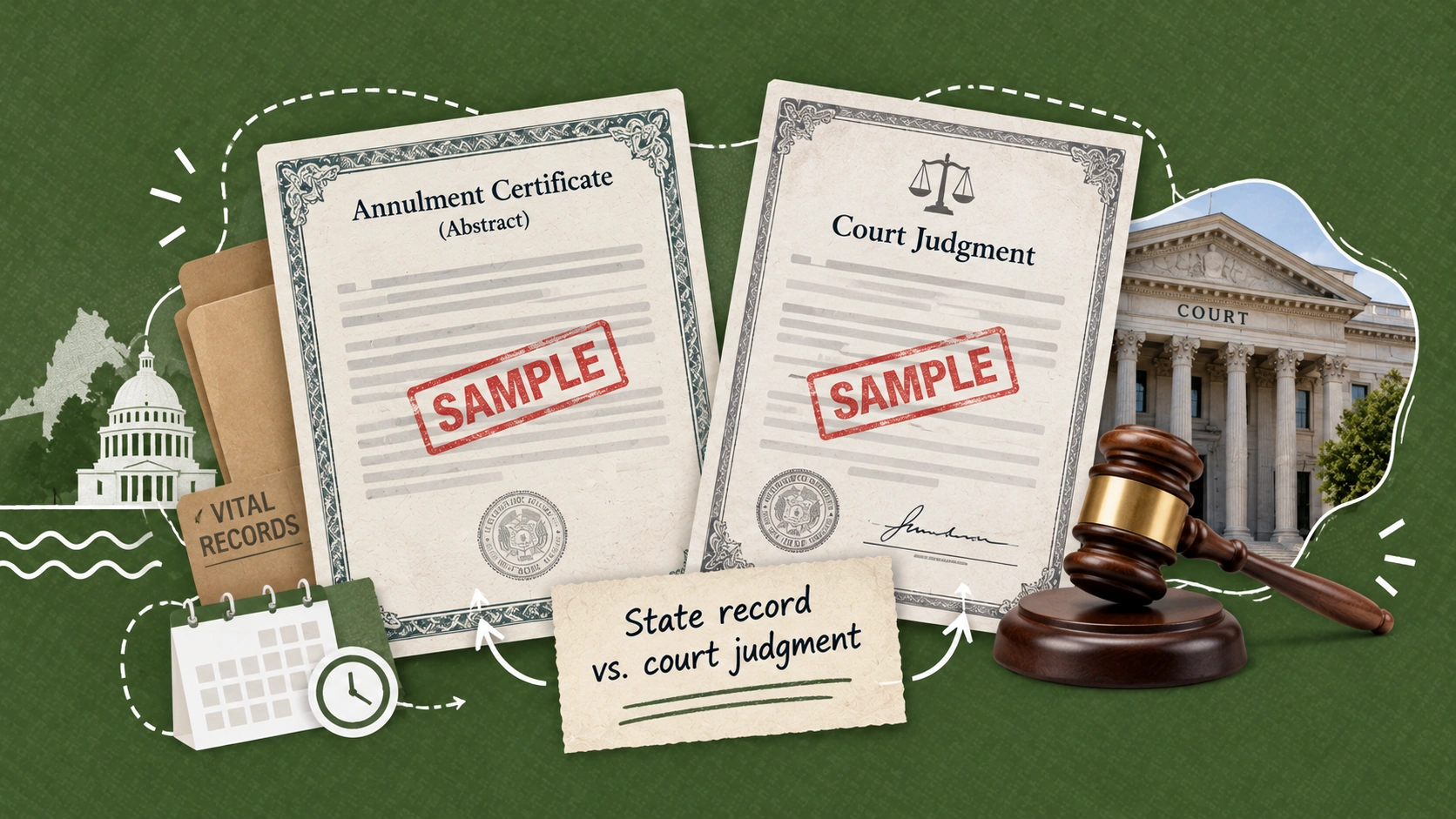
If paternity was determined by a court—through DNA testing or legal petition—you can still request a surname change. However, most courts require an additional petition for a name change, and a judge will consider whether the change is in the child’s best interest.

When considering a name change, courts often take into account factors such as the child’s age, the strength of the parent-child relationship, the length of time the child has used their current surname, the reason for the change, and the potential impact on the child’s identity and well-being.

If the court approves the change, you’ll receive a court order, which you can then use to update the birth certificate.

How to Change a Child’s Last Name After Paternity Is Established

Here’s a general step-by-step guide for updating the child’s surname and birth certificate:

Step 1: Establish Paternity: Before any surname change involving the father can be processed, paternity must be legally established through a Voluntary Acknowledgment of Paternity (VAP) or a court order.

Step 2: Agree on the Name Change

If using the VAP, both parents must agree to the child’s last name change and complete the surname section of the form. If going through court, file a petition for the name change, notify the other parent if required, attend a hearing if needed, and obtain a signed court order.

Step 3: Submit Documentation to the State’s Vital Records Office: Submit your state’s birth certificate amendment form along with a certified VAP or court order, required ID, proof of relationship, and the processing fee to the Vital Records Office.

Step 4: Receive the Amended Birth Certificate: The state will issue a new or amended birth certificate showing the father’s name and updated surname, while sealing the original certificate to make the amended version the legal document.

Common Questions

Q: Can a surname be hyphenated or combined?

Yes! Many parents opt for a hyphenated last name that combines both family names. States generally allow this if both parents agree.

Q: Does the child have to approve the change?

In some states, if the child is above a certain age (usually 10–14), they may be required to provide written consent for the change.

Q: Can the surname be changed later if both parents disagree now?

Yes, but it will likely require a court petition, and a judge will decide based on the child’s best interests.

Changing a Child’s Name

Changing a child’s last name after paternity is established is entirely possible—but it must be done legally and correctly through the proper forms and agencies. Whether you’re using a Voluntary Acknowledgment of Paternity or pursuing a court-ordered name change, the key is understanding the legal process and ensuring all parties are informed.

The child’s name is an integral part of their identity—and taking the proper steps now can ensure consistency, clarity, and legal recognition for years to come.