Why Some States Let You Update a Parent’s Name on Your Birth Certificate

Did you know that you can update a parent’s name on your birth certificate in some states? For families facing name changes, adoptions, or late paternity acknowledgments, this update can be both legally necessary and personally meaningful. Surprisingly, many U.S. states allow you to amend the parent section of a birth certificate under certain conditions.
Whether you’re correcting a clerical error, adding a father’s name years after birth, or updating a parent’s legal name, this guide explains how and why some states let you make these changes—and how to get a certified copy once it’s complete.
Last updated April 2026.
Why a Parent’s Name Might Need to Be Updated
There are several common reasons why someone might need to change, correct, or add a parent’s name on a birth certificate. These include:
- A missing father’s name due to unmarried parents at birth.
- A parent signed a Voluntary Acknowledgment of Paternity form after the child was born.
- A parent’s legal name change due to marriage, divorce, or gender transition.
- Clerical errors or spelling mistakes on the original record.
- Court-ordered corrections after disputes or DNA testing.
Each of these circumstances is handled differently depending on your state’s laws and the type of change requested.
Adding a Father’s Name After Birth
One of the most frequent amendments to a birth certificate is adding the father’s name after the birth. This situation often occurs when parents are unmarried, separated, or uncertain about paternity at the time of birth.
If a parent isn’t on the original birth certificate, many states allow a Voluntary Acknowledgment of Paternity (VAP) to be filed. This form is signed by both biological parents, which legally establishes paternity without the need for court proceedings. Each state has its version of the form, typically available through the Department of Health or the Attorney General’s Office. Check with the state office where the birth occurred for the correct form to update the birth registration.
California
In California, you can submit a Voluntary Declaration of Paternity (VDOP) to the California Department of Public Health anytime before the child turns 18. Once accepted, the father’s name is added to the record, and a new certified copy is issued upon request. The amended certificate doesn’t state that changes were made—it simply replaces the original.
Texas
Texas allows the father’s name to be added if both parents sign an Acknowledgment of Paternity (AOP) and submit it to the Texas Vital Statistics Unit. If paternity is disputed or legal intervention is needed, a court order may be required.
New York
In New York State, a father can be added by submitting an Acknowledgement of Paternity (AOP) or a court order to the Department of Health. If the acknowledgment is signed outside the hospital, it must be notarized and submitted along with a request to amend the record.
Correcting or Updating a Parent’s Name
Sometimes, the issue isn’t that a parent is missing from the record, but rather that their name is misspelled or has been legally changed since the child’s birth.
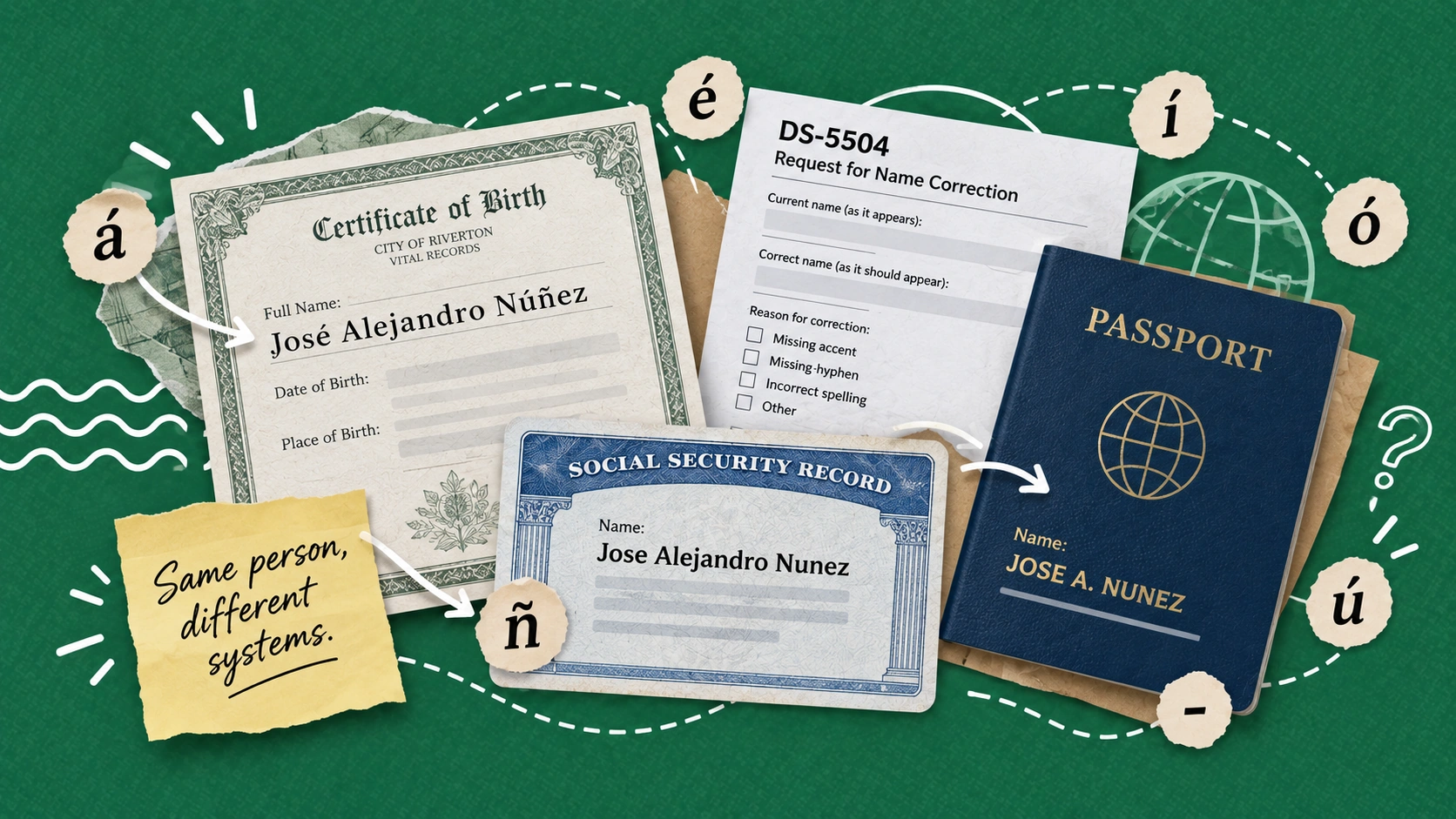
This can occur due to clerical errors at the hospital, legal name changes following a gender transition, or simply correcting a typo. States like Washington, Oregon, and Illinois have administrative processes that enable parents to request corrections or updates, accompanied by supporting documentation.
Washington State
Washington allows a parent’s legal name to be updated on a child’s birth certificate if the parent submits a legal name change order and completes the state’s amendment application.
Oregon
Oregon accepts legal name change documents and amended identity records (like a new driver’s license or passport) to support changes to a parent’s name on a birth certificate.
These changes are not made lightly. You’ll often be required to provide several pieces of supporting evidence to confirm your identity and legal authority to request the amendment.
Court-Ordered Corrections for Disputed Parentage
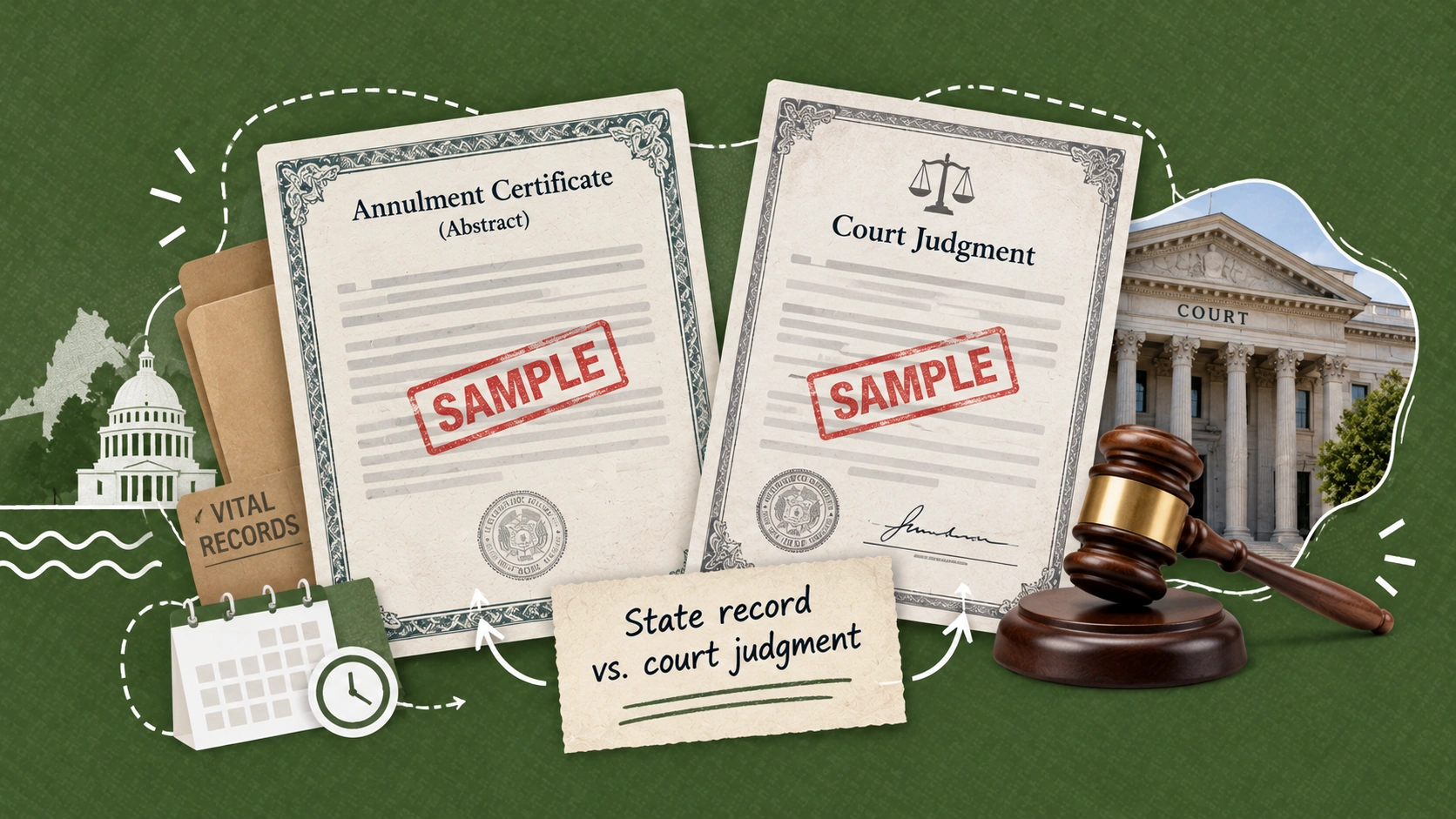
If there is a dispute over parentage—such as a man being incorrectly listed as a father—a simple acknowledgment form is not enough. In these cases, a family court must determine legal parentage or issue a ruling that removes or replaces a parent’s name.
Ohio, Michigan, and Pennsylvania
These states typically require a court order to remove or replace a parent’s name on a birth certificate. If paternity is disproved through DNA testing, the court can issue a Judgment of Non-Paternity, and the birth record will be updated accordingly.
After receiving a certified court order, you must submit it to the state’s department of vital records, along with an amendment request form. The birth certificate will be officially changed once the amendment is approved.
How to Amend a Birth Certificate to Change a Parent’s Name
The amendment process varies slightly by state but generally follows these steps:
First, contact the vital records office in the state where the birth occurred. You’ll need to request the appropriate birth certificate amendment form and review that state’s eligibility rules.
Next, gather your documentation. This may include:
- The original birth certificate
- A notarized paternity acknowledgment (if applicable)
- Court orders (if legally mandated)
- Legal name change documents (if the parent changed their name)
- Valid government-issued ID
- Any required affidavits or supporting records
Submit your completed form, supporting documents, and payment to the vital records office. Processing times vary by state and can take anywhere from two to eight weeks.
Once your amendment is approved, you can request a certified copy of the amended birth certificate. This new document will reflect the updated parents’ names and serve as the child’s official legal record.
How to Order a Certified Copy After the Update
Once the amendment is made, the original birth certificate is sealed, and the amended version becomes the legal record. You can request a certified copy of this record for use in schools, government agencies, Social Security, and passport applications.
Certified copies can be ordered through the state’s vital records office, either online, by mail, or in person, depending on the state’s specific procedures. Be prepared to provide proof of your identity and the relationship you have with the individual named on the certificate.
Vital Records Online (VRO) is a secure online platform that guides you through the process of requesting certified copies of vital records. This service helps ensure that forms are submitted correctly and offers tracking and delivery updates.
What If You’re Denied an Amendment?
Sometimes, requests to change a parent’s name are denied due to insufficient documentation, conflicting legal claims, or the absence of court orders. If that happens, contact your state’s vital records office for clarification. In most cases, you can reapply with corrected documents or request a hearing or court order to proceed with the process.
If legal issues are involved—such as custody disputes, paternity disputes, or adoption— you may need to consult with a family law attorney to obtain a court ruling before an amendment can be approved.
Why Updating a Parent’s Name Matters
Having the correct parent listed on your birth certificate is more than just a matter of legal accuracy. It can affect your eligibility for inheritance, benefits, citizenship, access to medical history, and emotional closure. Whether you’re adding a father’s name, correcting a clerical mistake, or updating a parent’s name after a legal transition, these changes help ensure your identity reflects your true family story.
States recognize that families and identities evolve, and their policies have grown to support those changes. By understanding your rights and your state’s amendment procedures, you can take steps to correct or complete one of the most important documents in your life.
Frequently Asked Questions
Can I add a father’s name to a birth certificate years after the birth?
Yes, in most states. If the parents were unmarried at the time of birth, many states allow a Voluntary Acknowledgment of Paternity (VAP) to be filed at any time before the child turns 18. Both biological parents typically need to sign the form, which is available through the state health department or attorney general’s office. If paternity is disputed, a court order may be required. Requirements and timelines vary by state, so check with the vital records office where the birth was registered.
What documents do I need to correct a parent’s name on a birth certificate?
The required documents depend on the type of change and your state’s rules. Common requirements include the original birth certificate, a completed state amendment form, valid government-issued ID, and supporting documentation such as a legal name change order, court order, or paternity acknowledgment. For corrections to clerical errors, a hospital certificate of live birth or other supporting evidence may also be accepted. Contact the vital records office in the state where the birth occurred for the exact requirements.
How long does it take to amend a birth certificate to update a parent’s name?
Processing times typically range from two to eight weeks, depending on the state and the complexity of the request. States with higher volumes or that require court involvement may take longer. You can often expedite certain requests — such as simple clerical corrections — by submitting complete and accurate documentation the first time. Once approved, you can order a certified copy of the amended certificate from the vital records office.