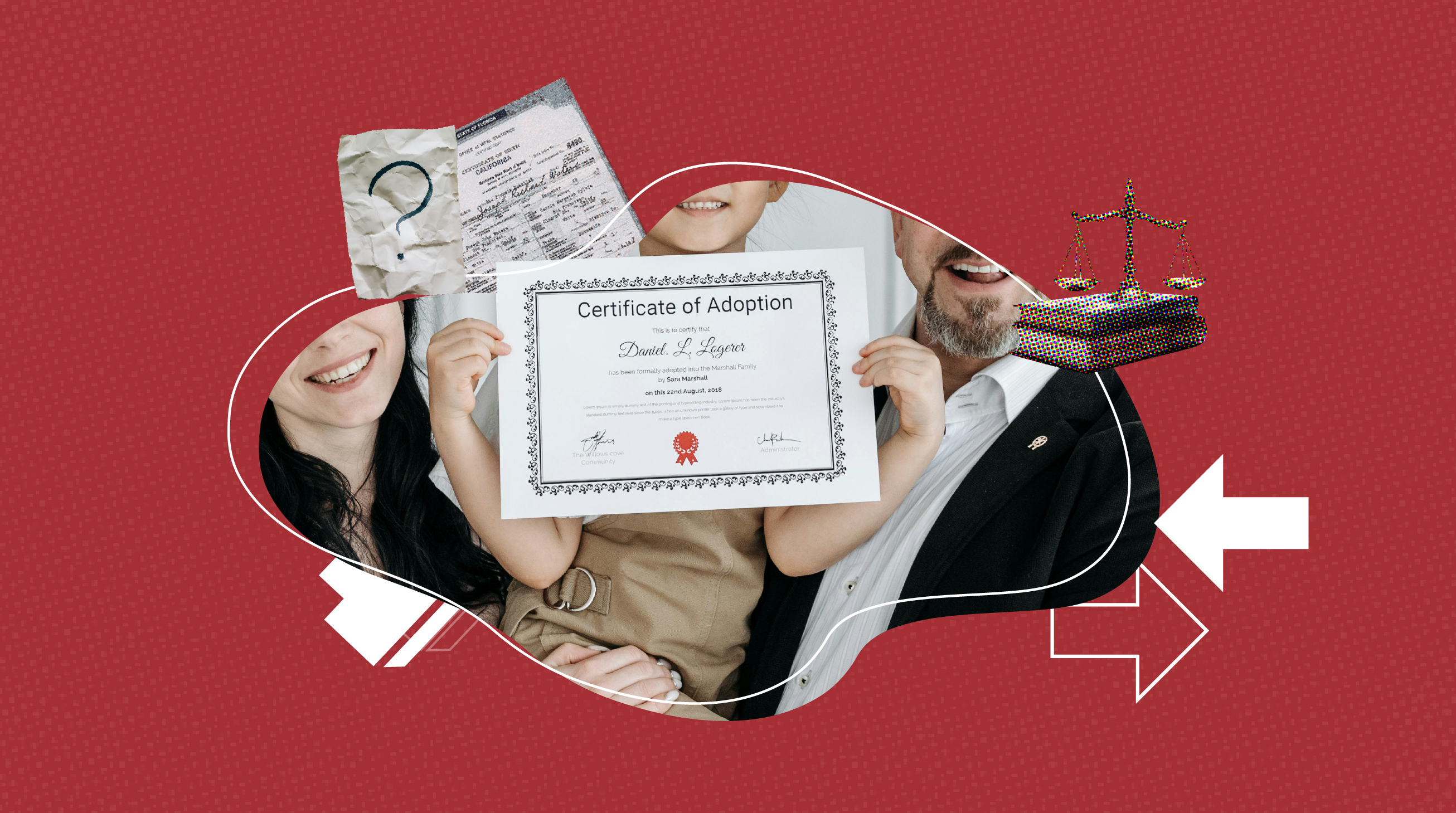
One of the most important steps after an adoption is finalized is amending the child’s birth certificate. This legal update ensures that the child’s new identity and family status are reflected in vital records. In the United States, each state has its specific procedures for amending a birth certificate; however, the process generally involves the family court, the adoptive parents, and the state’s vital records office.
This guide walks you through the entire process, explaining who is involved, what changes are made, when to file, where to file, and how to complete the process.
Who Handles the Birth Certificate Change After Adoption
The key individuals and institutions involved in the amendment process include the adoptive parents, who usually initiate the change; the local family court or superior court, which issues the final adoption decree; the state’s vital records office, which processes the amendment and creates the new birth certificate; and the court clerk, who certifies and distributes copies of the final adoption documents. Biological parents are typically not involved at this stage; however, their names may appear on the original certificate.
The new certificate lists the child’s new name if it was changed, retains the child’s birthdate and birthplace, and replaces the biological parents’ names with the adoptive parents’. In most states, the original birth certificate is sealed.
How the Birth Certificate Amendment Works
The purpose of amending a birth certificate after adoption is multifaceted. It establishes the legal parent-child relationship, which is crucial for matters such as applying for Social Security, obtaining passports, enrolling in school, and exercising inheritance rights. It also protects family privacy and unity, sealing prior records and avoiding potential complications from mismatched legal documents. For adoptees, this process is a step toward establishing a legal identity within their adoptive family. In many states, they can later access their sealed original records once they reach adulthood.
Processing Time
The amendment process typically begins after the court issues the Final Decree of Adoption. Each state sets its deadlines and timelines for processing. Some states require immediate filing from the court clerk, while others allow several months for processing. Delays may occur with foreign adoptions due to translation needs and additional documentation. For example, Idaho requires the court clerk to file the adoption report within 15 days of the issuance of the decree, while Oregon usually processes birth certificate amendments within 30 to 90 days.
Jurisdiction and State Filing
The birth state—where the original birth certificate was issued—is responsible for amending the record, regardless of where the adoption occurred. For foreign-born children adopted in the U.S., the state of the adoptive parents’ residence may issue a foreign birth certificate. Still, the legal records remain with that state. Some states support interstate filing, allowing courts in the adoptive family’s state to forward documents to the state of birth for processing. Today, 10 states allow adult adoptees unrestricted access to original records, including Alabama, Alaska, Colorado, Connecticut, Kansas, Maine, New Hampshire, New York, Oregon, and Rhode Island.
State-by-State Examples:
- Illinois: Requires a certified Certificate of Adoption or an out-of-state decree. Sealed original; adoptees 21+ may request the original.
- Oregon: Requires a certified adoption report, form, and fees. Originals sealed; access granted to adoptees over 21 years of age.
- South Carolina: Requires a DHEC form, decree, and a copy of the form. Adult adoptees (18+) may access the original if the birth parent consents or is deceased.
- Alabama: Automatically creates a new certificate and seals the original. Adult adoptees may access non-certified originals without a court order.
- Texas: Requires a VS-160 form and final decree. Processed by Texas Vital Statistics for Texas-born children only.
- Idaho: Mandates that the court clerk file a report within 15 days. The new certificate replaces the original.
- New Mexico: Requires a certified decree; original is sealed. Restoration is possible if the adoption is annulled.
- Maine: Sealed original unless a court order is granted. Foreign-born adoptees get amended certificates locally.
- Alaska & Kansas: Allow adoptees unrestricted access to original records at age 18 without a court order.
- New York: For in-state births, courts submit documents directly. The first amended certificate is free.
Step-by-Step Amendment Process
Here is a breakdown of the steps in amending a birth certificate for an adopted child.
- Finalizing the adoption in court. Once the Final Decree of Adoption is issued, adoptive parents should obtain certified copies from the court clerk. These certified copies, often with raised seals and official signatures, are necessary for submission to the state’s vital records office. Adoptive parents must then determine which state issued the child’s original birth certificate. Even if the adoption occurred in a different state, it is the birth state’s vital records office that will process the amendment.
- Identify the state vital records office and gather all required documentation. This usually includes the certified adoption decree and/or a state-specific adoption report form, identification documents for the adoptive parents, and payment by check or money order for any required fees. If the adoptee was born abroad, additional documents such as translated birth certificates, proof of visa status (IR-3 or IH-3), and the original foreign adoption decree must be included.
- Complete and apply. It can typically be submitted by mail, and some states may accept in-person or online submissions. Adoptive parents should include a prepaid return envelope and keep copies of all documents for their records.
- Processing times vary but usually take four to twelve weeks, depending on the state’s workload. Follow up with the agency if no response is received within the expected timeframe.
- Review the birth certificate for accuracy. Once the amended certificate is received, check the names, dates, and places of birth. Ordering extra certified copies is often more cost-effective than having to return later for additional copies.
Note: Some states allow adult adoptees to access their original sealed birth certificate at age 18 or 21, either directly or with a court order or birth parent consent.
Tips: Order multiple copies of the amended certificate upfront to avoid paying additional fees later. Use tracked shipping for all certified mailings. Label your envelope clearly with the nature of your request (e.g., “Adoption – Birth Certificate Amendment”) to ensure prompt handling. Follow up with the agency in writing if delays occur, and retain all original adoption documentation securely for future use in legal, medical, or travel situations.
If you are adopting an older child, it’s helpful to have a conversation about what a new birth certificate means. Some children may want to preserve their original identity. In such cases, it’s wise to consult with an adoption attorney to understand your options, particularly when navigating foreign adoptions or attempting to opt out of amendments.
History of Adoption and Privacy
Historically, birth certificate amendments and sealing of original records became common in the mid-20th century, when adoption practices prioritized privacy and family assimilation. Today, states vary in their openness to change. Some—like Alabama, Kansas, Maine, and Oregon—allow unrestricted access for adult adoptees. Others continue to restrict access, requiring judicial intervention or birth parent approval.
The 1997 Adoption and Safe Families Act (ASFA) further reinforced the importance of legal permanence for adoptive families. Though it doesn’t directly address birth certificates, it supports the idea that adopted children should have consistent legal identity documentation, which is reflected in the birth certificate amendment process.
In some states, revising the birth certificate after adoption is optional. States like California and Arizona allow adoptive parents to decline the amendment, leaving the original birth certificate unsealed and unaltered. This may be important for older children who already identify with their original names or for families who want to preserve the child’s biological identity. However, opting out can present challenges down the road, such as inconsistencies in documentation for insurance, school, or legal services.
Frequently Asked Questions:
Can the amendment be delayed? Yes, in some states, such as California and Arizona, families can wait or opt out altogether.
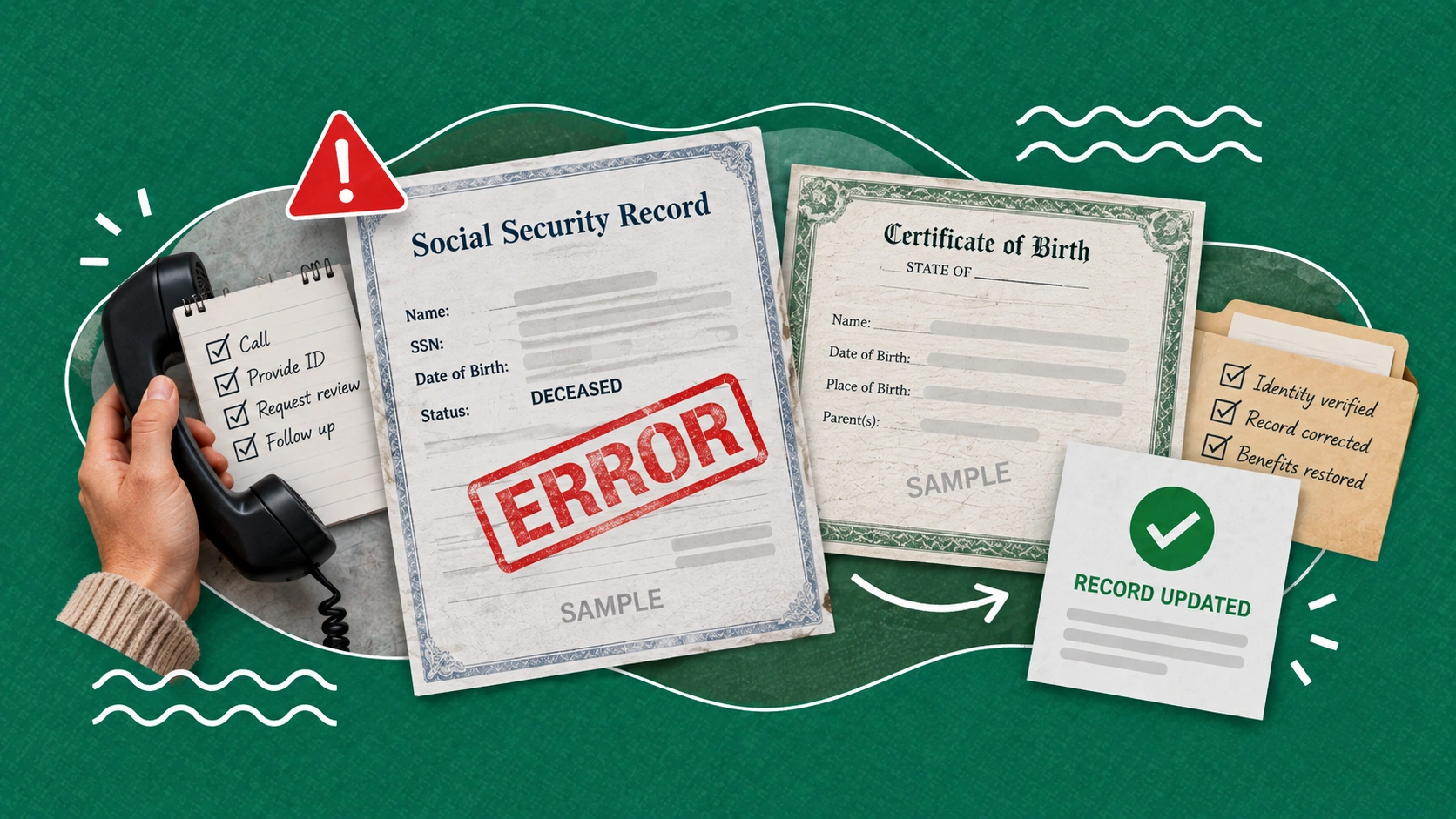
What if there’s an error in the amended certificate? Contact your state’s vital records office or an adoption attorney to correct or annotate errors.
Can passports be issued while waiting for the amended certificate? Yes. The Final Decree of Adoption and the original birth certificate can be submitted along with the adoption report to the U.S. State Department.
Can birth parents object to the amendment? No. Once parental rights are terminated and the court finalizes the adoption, biological parents no longer influence the amendment process.
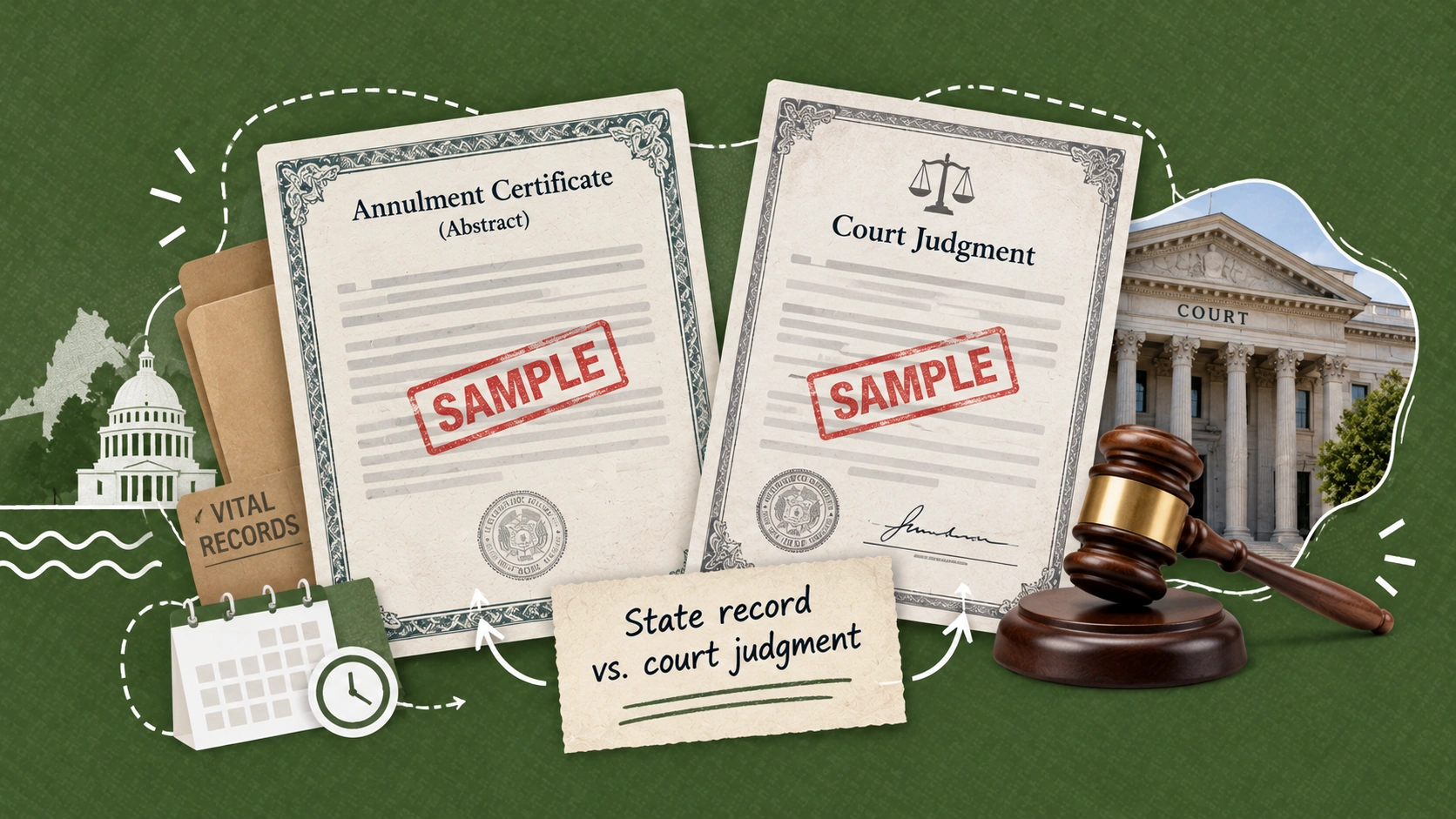
What happens if the adoption is annulled? Some states, such as Maine and Idaho, allow the original certificate to be reinstated under specific legal conditions.
In conclusion, amending an adoptee’s birth certificate is a crucial step following legal adoption, as it solidifies parental rights, ensures updated documentation, and safeguards the adoptee’s identity. Despite differences in state procedures, most follow a consistent pattern: adoption decree → vital records → sealed originals → new certificates. Understanding your state’s rules—especially fees, forms, processing times, and access to pre- and post-adoptive records—is essential.