California’s New Laws for Amending Gender or Name on Vital Records
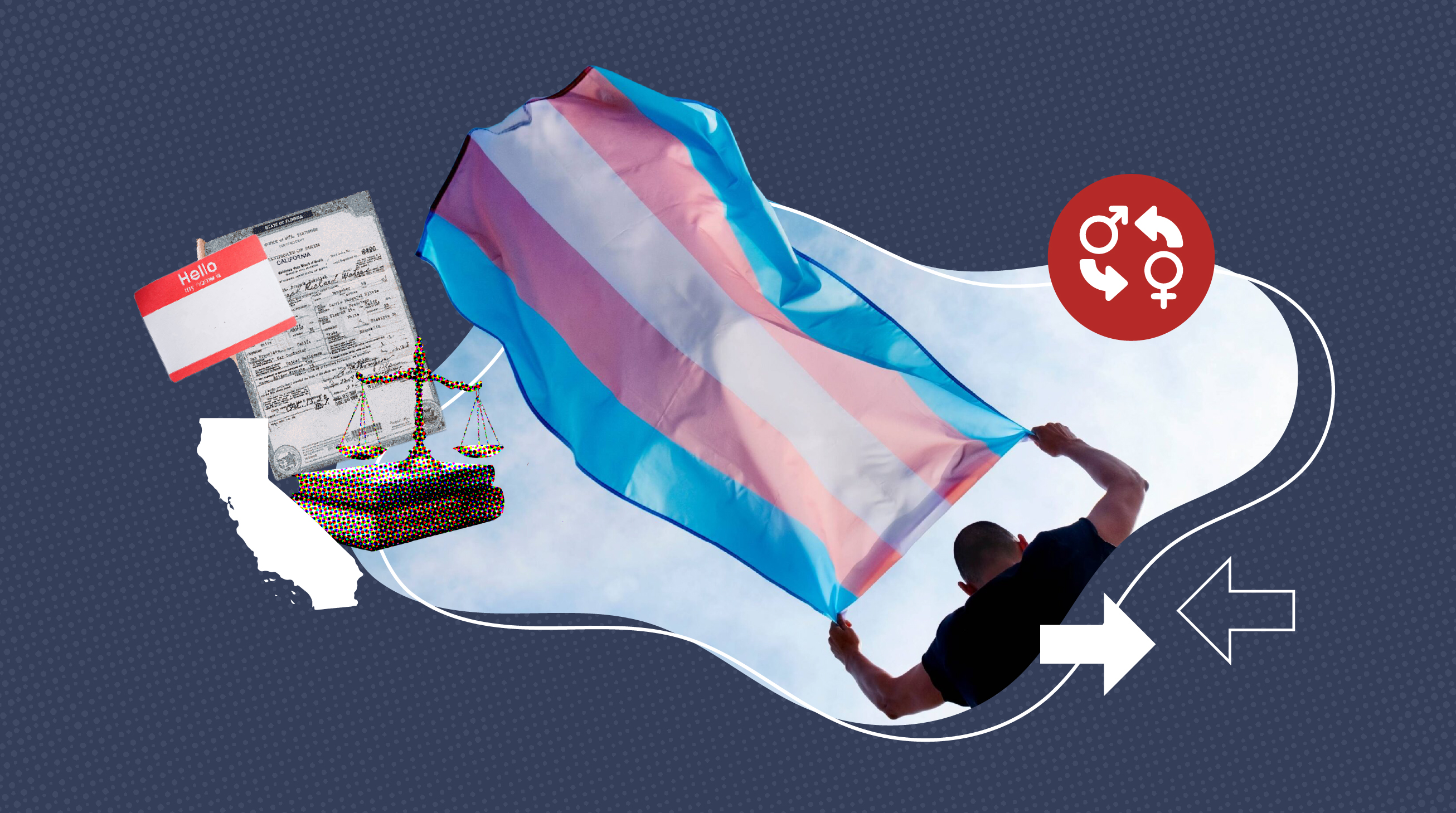
California has been a leader in progressive policies for updating legal identity documents. In recent years, particularly with the implementation of important legislation in 2023 and beyond, the state has made it significantly easier for residents to amend their birth certificates, marriage records, and other vital documents to align with their gender identity or to reflect legal name changes. Here’s what’s changed, who’s affected, why it matters, and how you can navigate the new landscape.
Old vs. New: A Legislative Timeline
Pre‑2013 Court and Publication Required
Before 2013, Californians were required to get a court order to change gender markers or legal names, and also had to publish the petition in a local newspaper, which posed safety and privacy concerns for transgender individuals.
In 2013, AB 1121 Passed
Simplified Birth Certificate Changes: With the passage of AB 1121 in 2013, Californians could amend a birth certificate to reflect a new name or gender without a court hearing or newspaper publication—provided they submitted a doctor’s letter and paid a fee.
2017, SB 179, the Gender Recognition Act, Passed
Self-Attestation Allowed: From Jan 2018, SB 179 removed the need for medical or court documentation, allowing people to self-attest to their gender identity (male/female/nonbinary) under penalty of perjury. Courts also dropped physician affidavits and hearings.
In 2021, AB 218 and Related Bills Passed
Extend Amendments to More Records: effective Jan 2023, AB 218 broadened these provisions
- Marriage certificates (including confidential marriages)
- Minor or adult children’s birth certificates
- Allowed changes in gender and name without court orders, using administrative processes instead.
2023 SB 372 Confidentiality Protections
Privacy for Licensees: As of January 2024, SB 372 allows licensees (e.g., therapists, barbers) to secure the confidentiality of their previous names and genders in state licensing records after a legal change, thereby protecting those who fear being outed or harassed.
2024 – AB 433 Vital Statistics Modernization Act
Clarity on Treatment Required: AB 433 updated the court petition standard for gender change, defining “relevant clinical treatment” instead of mandatory surgery, broadening access to a legal remedy for gender marker changes.
Who’s Affected
California’s recent reforms to vital records offer significant benefits to a broad range of residents. Transgender, nonbinary, and gender-expansive individuals can now update their gender marker or name across official documents without the burden of court fees, medical affidavits, or public hearings. Under AB 218, spouses and children can also benefit. When one partner updates their gender or name, marriage, and birth certificates can be amended through an administrative process to reflect the change. SB 372 further protects privacy by ensuring that professional licensing boards do not publicly disclose former personal details. These updates support anyone seeking consistency across identification, school, medical, or employment records, making identity alignment more accessible and respectful.
Why It Matters
Ensuring your identity aligns across all documents matters for more than just paperwork—it supports mental well-being, legal clarity, and social acceptance. It also protects your privacy and safety by avoiding public disclosures of sensitive changes, such as name or gender updates. Consistent records simplify daily life, reducing fees, paperwork, and delays. Most importantly, they provide the legal validation needed for essentials such as driver’s licenses, passports, employment, travel, and access to healthcare.
What You Can Do Now
Change Your Birth Certificate
- Without a court order: since 2018, complete Form VS‑24 to amend gender marker using self-attestation, plus include a court order if changing the name .
- Add “nonbinary” marker: SB 179 added “nonbinary/X” as a valid option .
- Minor/family amendments: Since 2023, children’s birth certificates may be updated to reflect parents’ legal gender and name changes.
Change Marriage or Children’s Birth Certificates
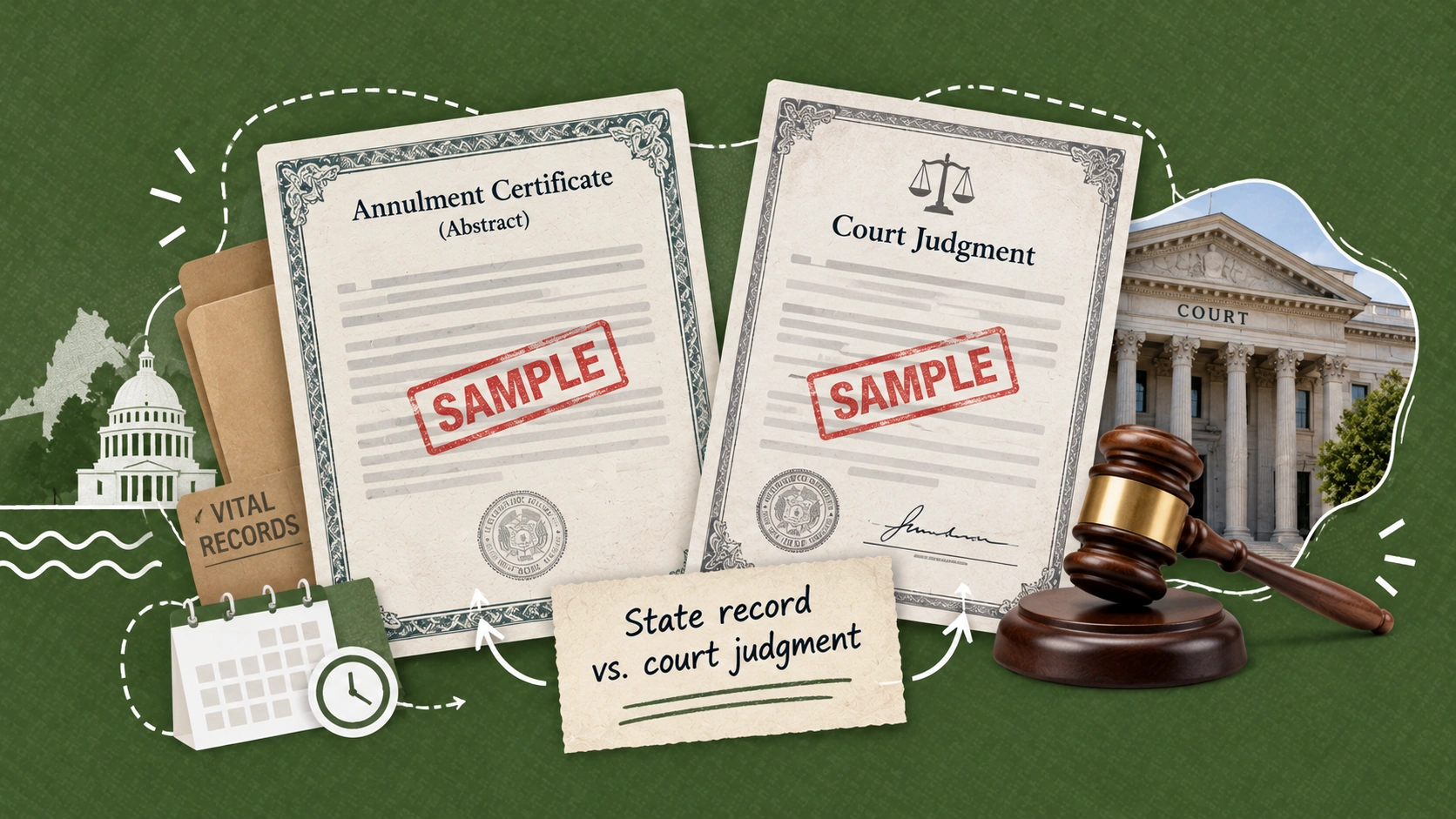
- Use Form VS‑24C for marriage certificates (including confidential ones) and Form VS‑24B for children’s birth certificates.
- No court order is required if the request is associated with your name or gender update.
- Spouses must sign the petition for married couples.
Get a Court and Self−Attestation Gender or Name Change
- For legal name changes, file a court petition using forms like NC‑300 and NC‑330 .
- Name-only changes still require publication in a newspaper and a court hearing unless they are related to a change in gender.
- Combined name & gender changes simplify the process—no publication, no hearing unless contested.
- Filing fees are around $435, though fee waivers are available.
DMV & Licensing Boards
Once you’ve received a court order or amended certificate reflecting your name or gender change, the next step is to update your records with the Social Security Administration. After that, you can update your California driver’s license or state ID through the DMV. To change your gender marker, you’ll need to submit Form DL-329 along with your updated certificate or court order. If you hold a professional license, you can also request confidentiality under SB 372 by providing the appropriate documentation directly to your licensing board, ensuring that your previous personal details are not disclosed publicly.
Takeaway
For Californians seeking to align their official documents with their identity, this is the most streamlined, dignified, and respectful system in the country. While no process is instant, the years-long policy evolution—from court hearings and newspaper notices to self-attestation and confidentiality—marks remarkable progress. With the correct forms, patience, and sequence, you can emerge with updated birth records, marriage certificates, driver’s licenses, and professional licenses that genuinely reflect who you are, with privacy and legal confidence.
For help compiling forms or navigating the process, consider reaching out to the Transgender Law Center, CDPH Vital Records, or local legal aid self-help centers. California has made it easier—now it’s time to take the steps forward.