Idaho’s Digital ID Initiative Launches New Way to Access Identity and Vital Records
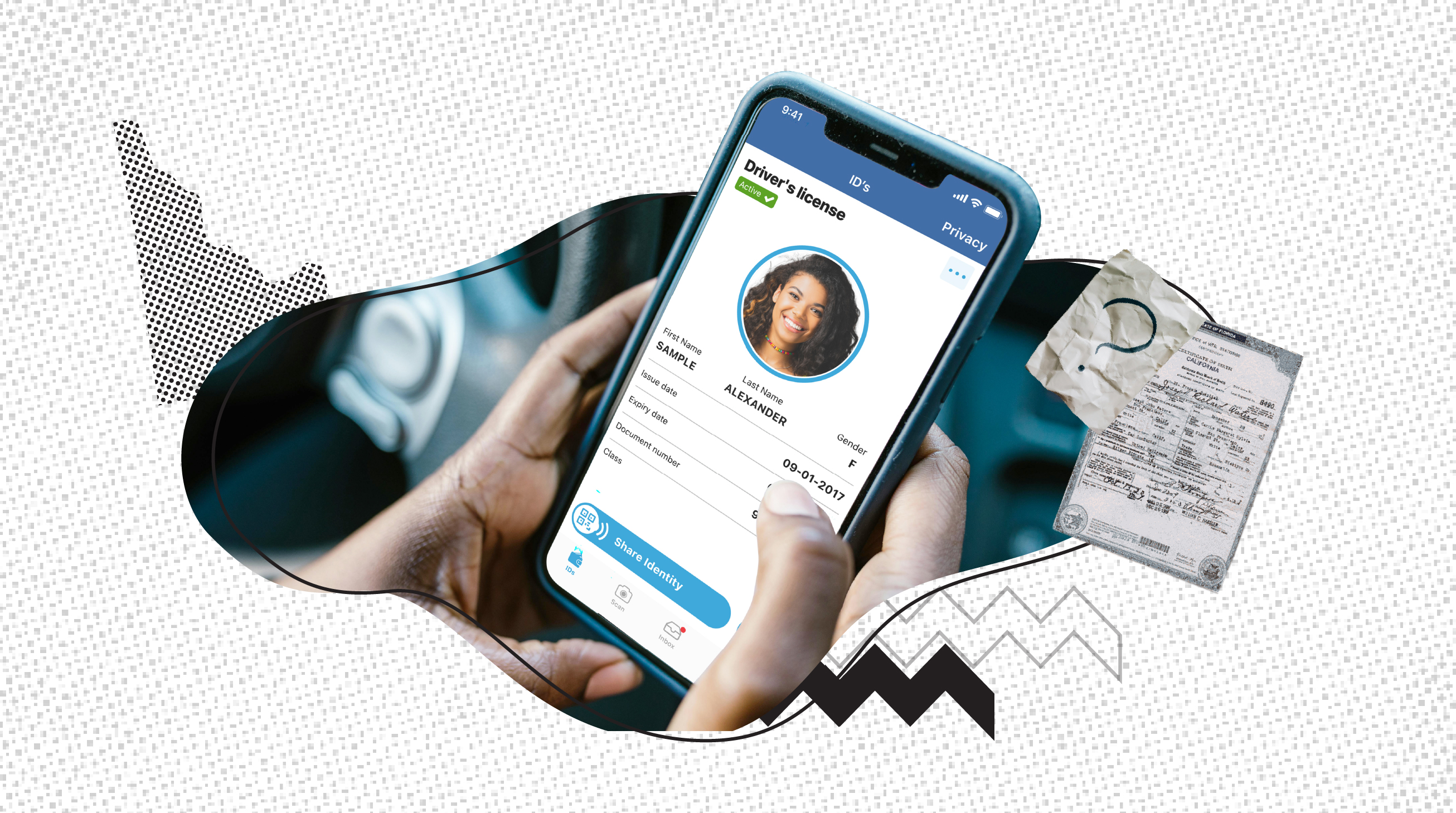
As part of a growing national trend, Idaho is moving forward with its digital driver’s license (DDL) initiative, supported by new legislation that enables electronic driver’s licenses. This latest development isn’t just about convenience at the DMV — it’s reshaping how residents access essential government services, including vital records such as birth, marriage, and death certificates, while enhancing identity verification and fraud prevention. In this article, we break down how Idaho’s digital ID system is transforming the way identity is verified and records are obtained.
Understanding Idaho’s Digital Driver’s License Program
In early 2025, Idaho passed legislation allowing residents to opt for a digital version of their driver’s license. Your digital ID can be securely stored on a mobile device and used in conjunction with, or even in place of, a physical ID for many official purposes.
The state is working to implement a secure mobile ID system that includes:
- Biometric login (Face ID or fingerprint)
- Encrypted QR code verification
- Compatibility with state services, TSA, and select private institutions
- Integration with systems that issue and manage vital records
Unlike mandatory digital ID programs, Idaho’s model is voluntary, giving residents the flexibility to adopt digital credentials at their own pace. The Idaho Transportation Department (ITD) is collaborating with technology partners to ensure the platform is secure, user-friendly, and widely accepted.
Real-world examples of digital ID use:
- ID Verification for Online Services: Residents can use their driver’s license or state identification card (DDL) to verify their identity when requesting a birth or marriage certificate through state websites.
- At-the-Counter Use: Digital IDs can be presented at government offices or health departments as proof of identity, often streamlining the service process.
- Access to Age-Restricted Services: Use your digital ID to verify age at retail counters, bars, or airports.
How Idaho’s Digital IDs Improve Access to Vital Records
Digital driver’s licenses don’t just streamline driving-related interactions — they also enhance how residents engage with vital records offices.
1. Identity Verification for Certificate Requests
Requesting a birth or marriage certificate typically requires submitting paper documents or visiting in person. Idaho’s DDL eliminates many of these steps by allowing residents to verify their identity through state-approved systems digitally.
Instead of uploading scans or mailing notarized forms, a resident can authorize access to their digital ID to confirm their identity in seconds.
This speeds up the process of:
- Ordering birth certificates for passport applications
- Accessing marriage records for legal name changes
- Requesting death certificates for estate settlements
2. Enhanced Accuracy and Faster Processing
Digital credentials reduce the likelihood of human error and enable instant identity validation, allowing agencies to process requests faster and more accurately. The app automatically fills in critical identity information directly from the state database, minimizing human error in form submissions. This is especially important when requesting or correcting official vital records.
For example, when applying online for a marriage certificate, the digital ID can autofill accurate identity details, reducing rejected applications and follow-up delays.
3. Strengthened Privacy and Data Protection
Idaho’s digital identity platform utilizes advanced encryption, biometric access (such as facial recognition or fingerprint scanning), and time-limited data sharing. This reduces the risk of identity theft, as agencies only view the necessary data for each transaction and don’t have unauthorized access to your birth, marriage, or death certificate records. When requesting a birth certificate, only your name and date of birth are shared — not your entire license data.
Who Benefits Most from Idaho’s Digital Identity System?
The DDL offers clear benefits for a wide range of Idaho residents.
- Parents ordering birth certificates for their children
- Newlyweds requesting a marriage certificate for immigration or tax purposes, or for changing their names.
- Family members seeking death certificates for legal documentation after a loved one’s passing
- Genealogists or researchers requesting vital records for family history
- Young adults seeking Real ID compliance
- Remote residents who rely on online government services.
Each of these users will be able to access services more quickly, with fewer errors, and experience greater peace of mind.
Where Idaho’s Digital Driver’s License Can Be Used
Idaho’s digital IDs are being designed for acceptance across multiple platforms and institutions. While full rollout is ongoing, the digital ID will be accepted at:
- TSA checkpoints in particular airports (in coordination with federal requirements)
- Idaho Department of Health and Welfare for vital records services
- DMV and state offices for license renewals and documentation
- Online portals for record requests and amendments
- Financial institutions for account opening or notarization
As the technology becomes widely accepted, you can expect even more agencies to enable mobile ID verification. The state continues to expand the list of partners accepting digital credentials.
Step-by-Step Guide to Getting Your Idaho Digital Driver’s License
Are you ready to upgrade to a digital license? Residents will be able to obtain their digital ID through an official state mobile application. While the platform name and release date are forthcoming, the enrollment process is expected to include:
- Download the App from the Apple App Store or Google Play
- Scan Your Physical License
- Perform a Live Selfie for biometric identity verification
- Set Up Security with Face ID, fingerprint, or passcode
- Link to State Services such as Vital Records Online
Once set up, your digital license will be ready for use in daily life and official processes. This process is designed to take only a few minutes, with built-in security throughout.
Privacy by Design: You Control What Is Shared
One of the most innovative aspects of Idaho’s digital ID system is its selective disclosure feature. You choose what to share during each transaction. This approach limits the exposure of sensitive personal information and complies with strict state and federal data privacy guidelines.
For instance:
- Applying for a birth certificate? Share your legal name and birthdate only.
- Ordering a marriage certificate? Share your ID number and marital status — not your complete address.
- Correcting a death certificate? Use your mobile ID to confirm authority to request the record.
- Verifying age? Only your birth date is shown.
- Confirming residency? Only your address is shared.
This control improves user privacy and trust while meeting legal requirements.
What’s Next for Digital Identity in Idaho?
Idaho’s digital ID initiative is currently in pilot and limited release phases, with a broader rollout planned throughout the year. In the coming months, residents can expect:
- Full integration with Idaho’s Vital Records Office
- Digital ID use in courtrooms and law offices
- Faster passport applications when paired with birth or marriage certificates
- Educational outreach to help citizens adopt the new system securely
- Expansion to all residents by the end of the year
- Real ID and TSA compliance updates
- Enhanced features for healthcare, voting, and secure banking
Residents can expect updated announcements from the Idaho Transportation Department in the coming months as these capabilities continue to grow.
Idaho’s Digital ID Is Transforming Access to Vital Records
Idaho’s rollout of the digital driver’s license marks a major milestone in how residents engage with vital records and identity services. By simplifying verification, enhancing privacy, and streamlining access to essential documents like birth and marriage certificates, the state is leading with both innovation and integrity.
As adoption grows, so too will the opportunities to streamline government services across the state — giving Idahoans more time, more control, and more confidence in the digital age.