Why You Need a Marriage Certificate to Change Your Name
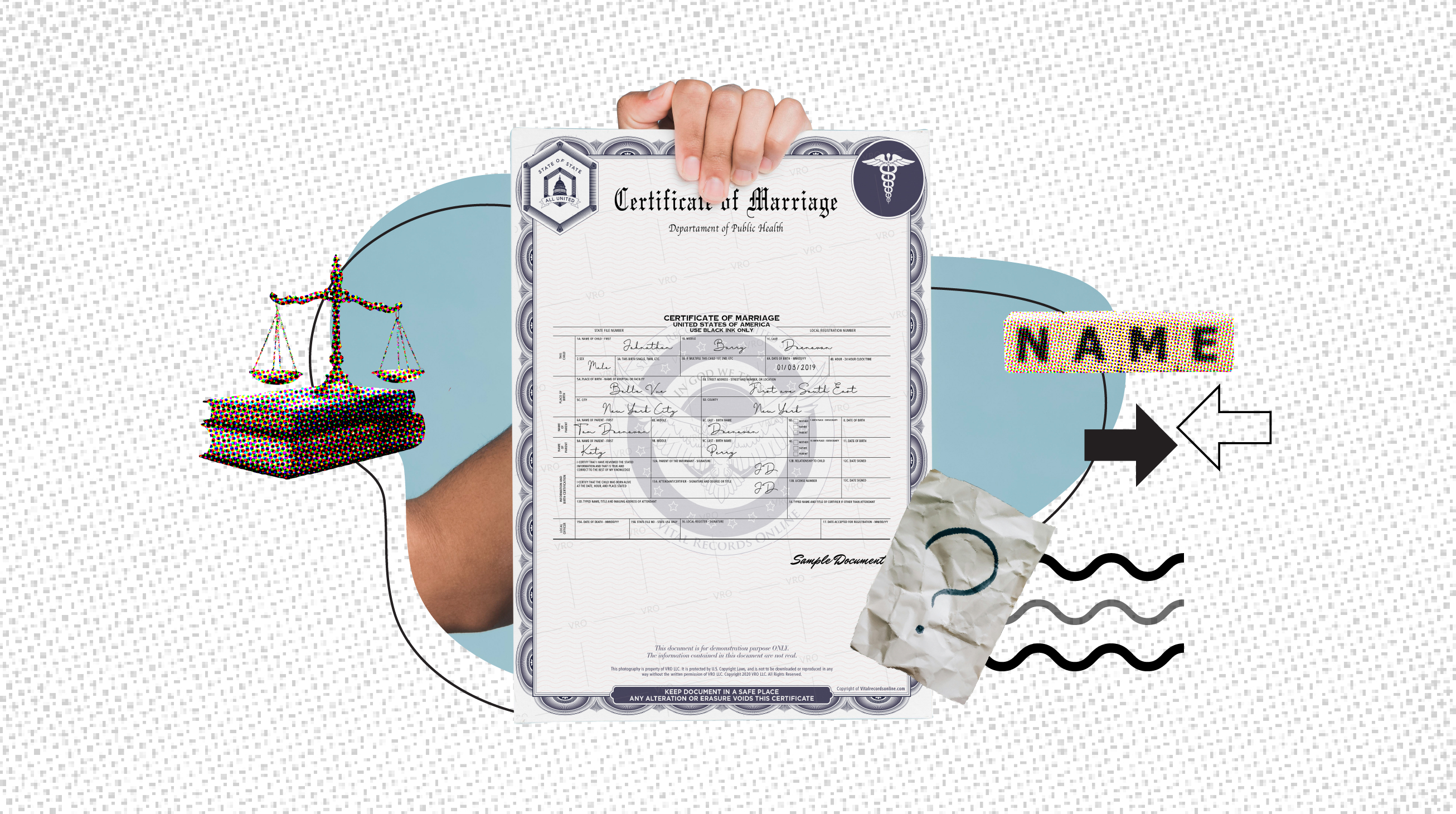
Changing your name after marriage is not only a personal decision, but it’s also a legal one. Whether you’re taking your spouse’s last name, hyphenating, or returning to your maiden name after a divorce, your marriage certificate is the key document that proves your name change is valid and legal.
Without a certified marriage certificate, most government agencies and private institutions will not process your name change requests. In this blog, we’ll break down why this document is so important, what it proves, and how to get a certified copy, along with what documents you’ll need to apply for.
Last updated April 2026.
Why a Marriage Certificate Is Legally Required to Change Your Name
A marriage certificate is the official, government-issued proof that a legal marriage took place. It includes vital information like your full legal name, the date and place of the marriage, and the signatures of you, your spouse, and the officiants. Once recorded, the certificate becomes part of public vital records.
According to U.S. law, you cannot legally change your name through marriage unless you can prove the marriage happened. Agencies like the Social Security Administration (SSA), the Department of Motor Vehicles (DMV), and the U.S. Passport Office all require certified proof that your name change is based on a legitimate legal event. This protects against fraud and ensures consistency in legal and financial systems.
Why Your Name Must Match Across Legal Documents
A certified marriage certificate acts as legal evidence that your name changed due to marriage, which allows you to update your name across all official records. Your legal name must be consistent across all your government-issued IDs, tax documents, and financial accounts.
How a Marriage Certificate Proves Name Change
While the marriage certificate doesn’t automatically change your name, it gives you the legal foundation to do so. It’s the accepted document that proves why you’re switching from one last name to another.
Example:
If you were born as Emily Johnson and married someone named Mark Lee, you can become Emily Lee after marriage. But to do that legally, you need to show a certified marriage certificate to prove the connection between the two names.
If you’re reverting to your maiden name after divorce or annulment, the marriage certificate (and potentially the divorce decree) serves to document the original name before and after the change.
Required by Law: Agencies That Need Certified Proof
Several institutions legally require a certified marriage certificate before approving a name change:
- Social Security Administration (SSA) – Form SS-5 requires proof of name change due to marriage.
- DMV/State ID Offices – Driver’s license or state ID name updates must include proof of marriage.
- U.S. Department of State (Passport Office) – Accepts a certified marriage certificate for name change applications.
- IRS – Your tax return name must match your legal name as recognized by the SSA.
- Banks, insurance providers, and employers all require legal documentation for name changes.
No agency accepts a photocopy or an unofficial version. You must submit a certified copy, which has a raised seal or official stamp from the issuing government.
Why You Still Need a Marriage Certificate Years Later
Even if your marriage took place years ago, you may need a certified copy of the marriage certificate for:
- Applying for Social Security or Medicare
- Claiming survivor benefits or pensions
- Accessing life insurance policies
- Proving your married name for real estate or financial records
- Reverting to your maiden name after divorce or the death of a spouse
It’s not uncommon to need this document long after the wedding day, which is why keeping certified copies on hand is essential.
Changing your name after marriage is a significant legal step that hinges on one vital document: your certified marriage certificate. It’s not just a piece of paper—it’s legal proof that gives you the authority to update your identity on government IDs, financial records, and more.
Whether you’ve just gotten married, need to go back to your maiden name, or are catching up on paperwork years later, getting a certified copy of your marriage certificate is essential.
Frequently Asked Questions
Can I change my name without a marriage certificate?
Yes, but you would need a court order. A marriage certificate provides a simpler legal path for a name change directly through government agencies without going to court. For other name changes (not related to marriage), a court petition is required.
How long does a marriage-based name change take?
The timeline varies by agency. Updating your Social Security card typically takes two to four weeks. A driver’s license update can often be done the same day at the DMV. A passport name change takes four to six weeks for routine processing or two to three weeks with expedited service.
Do I need to change my name on all documents at once?
No, but you should follow a specific order. Start with the Social Security Administration, then update your driver’s license, followed by your passport, bank accounts, and employer records. This sequence ensures each agency can verify your new name against already-updated records.