Correcting Errors on a Birth Certificate: Step-by-Step Process
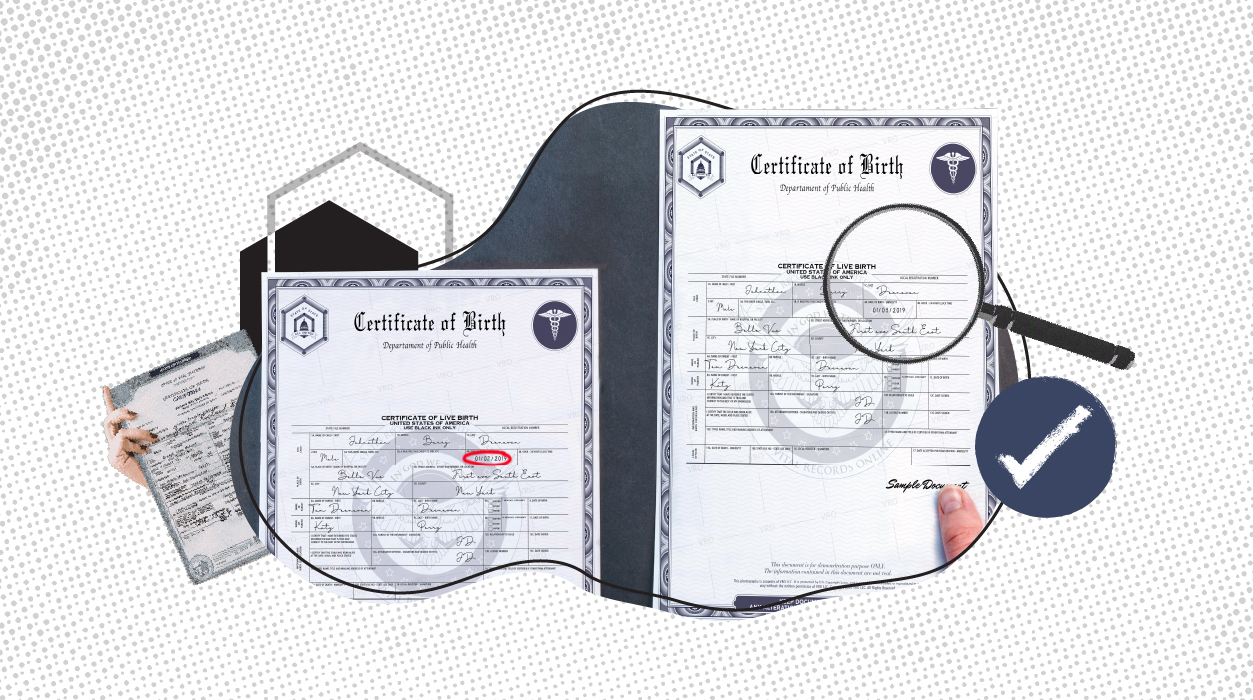
Errors on a birth certificate, such as a misspelled name, incorrect date of birth, wrong sex marker, or missing parental information, can lead to more than just minor frustrations. These mistakes may cause problems when applying for a passport, driver’s license, Social Security number, or enrolling in school. You can correct your record through an amendment, which means changing the official record of birth to reflect your accurate information. In this blog, we will provide a step-by-step guide on how to correct errors on a birth certificate. Follow along as we outline the necessary steps to navigate the amendment process smoothly.
Last updated April 2026.
1. Why You Might Need an Amendment to a Birth Certificate
Amending a birth certificate may be necessary for various reasons, such as correcting errors in personal information, like the spelling of names, dates, or places of birth. It can also be required when there are changes in parental details, such as the addition of a parent’s name due to marriage or legal recognition. Having an accurate birth certificate is crucial for various legal processes, including obtaining government identification, passports, and other official documents.
- Newborn corrections: Many states allow free corrections for a short window (typically under one year).
- Minor edits later in life: Small errors, such as typos or incorrect gender markers, often require an affidavit and supporting documents.
- Adult changes, such as legal name changes (resulting from marriage, divorce, or a court order), gender marker updates, or adoption, all involve amendments.
2. Understand the State Time Limits
An early window within 6 Months After Birth: Several states allow parents to amend a birth certificate within six months of the child’s birth without requiring extensive documentation or fees. This period is often designated to facilitate corrections due to clerical errors or changes in the chosen name. States like California and Texas fall into this category, offering a more straightforward process during this time frame.
Within 1 Year After Birth: Some states extend the amendment period to one year after birth. During this time, parents can still invoke a relatively streamlined process to correct or amend a birth certificate. For example, New York and Florida allow changes to be made within this period, although the requirements may vary, and additional documentation may sometimes be necessary.
Before the Age of 7: In many jurisdictions, parents can make amendments related to name changes or corrections until the child reaches the age of 7. This can include not only name changes but also alterations to reflect the correct parentage after legal changes (such as adoption). States like Illinois and Ohio have provisions that accommodate such requests before the child turns seven, streamlining the process compared to later applications.
After one year, you’ll usually need legal proof—such as a court order or a notarized affidavit. It’s vital to check your state’s department of health site to learn the exact deadlines.
3. Gather the Required Forms & Documents
Most states use similar procedures but may differ slightly in their paperwork. Common forms include: amendment application form (varies by state), court-certified orders for name changes, and affidavits for correcting errors.
Supporting documents may include:
- Original certified birth certificate
- Valid photo ID (driver’s license or passport)
- Medical documentation for gender marker changes
- Proof of parental names for name corrections on the minor’s certificate
4. Pay the Required Fees
Fees vary by state and type of amendment. When navigating the process of submitting applications or amendments, it’s essential to be aware that fees can vary significantly based on both the state in which you are located and the specific type of amendment being requested. Each state has its own fee structure, administrative costs, and sometimes a different urgency for processing.
5. Submit to the Vital Records Office
When submitting your request for certified copies of your birth certificate, it’s essential to know the various methods available, which may vary by state. Typically, you can submit your application online, by mail, or in person. Regardless of how you choose to submit your forms, make sure you include all necessary documents. This way, you can streamline the process and avoid any potential delays in obtaining your records. Depending on your state, you can submit forms online, by mail, or in person.
Typically, these documents are required with the application:
- Certified birth certificate
- Supporting documentation
- Payment
- Notarized forms (if needed)
- Court orders (for adult name or gender change)
6. Processing Timeframes
Processing timeframes for applications can vary significantly depending on the state and the volume of applications being handled. Some states offer expedited service for those who require faster processing. This option typically incurs an additional fee. Typically, the standard processing time for administrative corrections (such as typos and minor edits) is 2–8 weeks, while court-ordered amendments require 4–12 weeks (including court processing). Expedited requests are available in some states for an additional fee.
Role of Hospitals and Birth Facilities
Newborn errors (i.e., parent name or birthplace typos) are often corrected through hospital-submitted amendments during that initial 1-year window. Direct involvement from a hospital or midwife is less common for adult corrections—these rely on court orders.
Special Scenarios for Adults
Name Changes: To change your legal name, a court order is required. In most states, marriages or divorces are typically recorded using marriage or divorce certificates; many don’t require birth certificate amendments unless desired for consistency.
Gender Changes: Requirements vary widely. Some states do not allow gender changes on birth certificates. Others require affidavits, medical documentation, and a fee.
Other Reasons:
- Adoption: Sealed birth records are replaced; forms and fees apply.
- Parental corrections: Adding a father’s name after birth requires affidavits or court paternity orders.
After Submission: Next Steps
Once processed, you can request certified copies of the corrected birth certificate—generally $5–$30 each.
For adult name or gender changes, updating your birth certificate is essential, as many agencies (driver’s license, Social Security Administration, DMV) require a consistent legal identity.
Fixing mistakes on your birth certificate is usually a pretty simple process, although it can sometimes require court orders depending on your circumstances and local laws. With the right documents, acting quickly, and a good understanding of the steps you need to follow in your area, getting an accurate legal record can be a lot easier and stress-free.
Frequently Asked Questions
Can I correct a birth certificate error without a court order?
Yes, for minor clerical errors—such as a misspelled name or incorrect date—many states allow you to file an affidavit or amendment form directly with the vital records office without going to court. Court orders are typically required for major changes, such as legal name changes, gender marker updates, or adoption-related amendments.
How long does it take to receive a corrected birth certificate?
Standard processing takes 2 to 8 weeks for administrative corrections and 4 to 12 weeks for court-ordered amendments. Some states offer expedited processing for an additional fee. Timeline varies based on your state and the complexity of the change requested.
What if there is an error on my child’s birth certificate and they are now an adult?
Adults can still correct errors on their birth certificates at any time, though the process is more involved than correcting an infant record. You’ll typically need a notarized affidavit, supporting documentation (such as medical records or school records confirming the correct information), and payment of the applicable fee.
Related Guides
- Amending a Child’s Birth Certificate for Adoption
- Pre-Adoption vs. Post-Adoption Birth Certificates: What You Need to Know
- Can You Change a Child’s Last Name After Paternity Is Established?
- Moving to a New State? Why You May Need a Certified Birth Certificate First
Once your correction is processed, you may want to order additional certified copies. Learn more about ordering birth certificates online from any U.S. state.