Buying your first home is one of life’s most exciting milestones. The process can be extensive, involving loan pre-approvals, credit checks, and property searches, with the paperwork involving multiple steps. One important document that is frequently overlooked in the process is your birth certificate. For first-time homebuyers applying for down payment assistance programs (DPAs), your certified birth certificate can play a crucial role in proving eligibility, verifying identity, and unlocking benefits designed to help you afford your first home.
In this article, we’ll break down what down payment assistance programs are, why birth certificates matter in the homebuying process, how they’re used to qualify for financial help, and how to obtain one if you don’t already have it. We’ll also cover special cases where your birth certificate may provide access to targeted housing programs based on family history, citizenship status, or community ties.
What Are Down Payment Assistance Programs?
For many first-time buyers, the most significant barrier to homeownership isn’t qualifying for a mortgage; it’s coming up with the down payment. Depending on the purchase price, even a 3% down payment can amount to thousands of dollars upfront.
That’s where Down Payment Assistance Programs (DPAs) come in. These are grants, low-interest loans, or deferred loans provided by:
- State and local housing authorities
- Federal agencies
- Nonprofits or community development programs
- Employers or union organizations
DPAs are designed to help first-time buyers cover the initial cash required to secure a home. Some also assist with closing costs, and many are forgivable if you remain in the house for a specified period of time.
To qualify, most DPA programs require applicants to:
- Be a first-time homebuyer (or not have owned in the past 3 years)
- Meet income limits based on household size and location
- Purchase a primary residence
- Complete a homebuyer education course
- Submit required documents
Why Birth Certificates Matter in the Application Process
A birth certificate is one of the most widely accepted forms of legal identity and documentation in the U.S. It can serve several key functions when applying for homeownership assistance, primarily through government-backed or income-restricted programs.
Here’s how birth certificates are commonly used in DPA applications:
1. Proof of Identity and Citizenship
Most DPA programs require applicants to be U.S. citizens or legal residents. A certified birth certificate issued by a U.S. state or territory is accepted as legal proof of both identity and citizenship.
This is especially important for:
- Programs tied to federal funds (such as HUD or FHA)
- Programs for veterans or tribal members
- Income-verified programs that require matching to IRS or SSA records
2. Verifying Eligibility Based on Age
Some first-time homebuyer programs are targeted to younger adults or offer incentives to those under a certain age (e.g., under 35). Your birth certificate serves as the official document to prove your date of birth, especially when discrepancies exist on your driver’s license or passport.
3. Establishing Family Ties for Targeted Assistance
Certain down payment programs offer extra benefits to:
- Descendants of Native American tribes
- Children of veterans
- Heirs of displaced or historically excluded homeowners
In these cases, your birth certificate can show your parent-child relationship and serve as part of the documentation to prove your eligibility.
4. Verifying Household Members
Some DPAs require you to report the number of dependents or household members for income qualification. A birth certificate for children may be used to verify family size, which can affect income limits or eligibility tiers.
Examples of DPA Programs that May Require a Birth Certificate
To better understand how this works, here are a few examples of down payment assistance programs and how birth certificates factor into the application:
California Housing Finance Agency (CalHFA)
CalHFA offers down payment and closing cost assistance to low and moderate-income first-time buyers. Applicants must submit documentation proving U.S. citizenship or legal residency; a birth certificate is one accepted form. CalHFA programs are also available to individuals with dependent children, and birth certificates can be used to verify household size.
Texas State Affordable Housing Corporation (TSAHC)
TSAHC’s Homes for Texas Heroes Program offers special benefits to teachers, police officers, and veterans. To qualify as a veteran, you must show eligibility documents for yourself or, in some cases, your immediate family. A birth certificate may be required to prove you are the child of a qualifying veteran.
Native American Housing Assistance and Self-Determination Act (NAHASDA)
Tribal members applying for housing assistance through NAHASDA or a related program may be asked to provide documentation of descent from a federally recognized tribe. A birth certificate helps establish the family connection to enrolled tribal members or heritage required by the program.
City and County DPAs with Heir-Based Initiatives
Cities like Atlanta, Detroit, and New Orleans have launched housing programs aimed at descendants of families displaced by urban renewal or redlining. A birth certificate, combined with your parents or grandparents’ historical residence or homeownership records, helps prove generational eligibility.
How to Get Your Birth Certificate
If you don’t already have a certified copy of your birth certificate, it’s easy to request one from the vital records office in the state where you were born. Requests can usually be made online, by mail, or in person. Be sure to request a certified copy, not just a photocopy, as most assistance programs require the raised seal or official certification stamp.
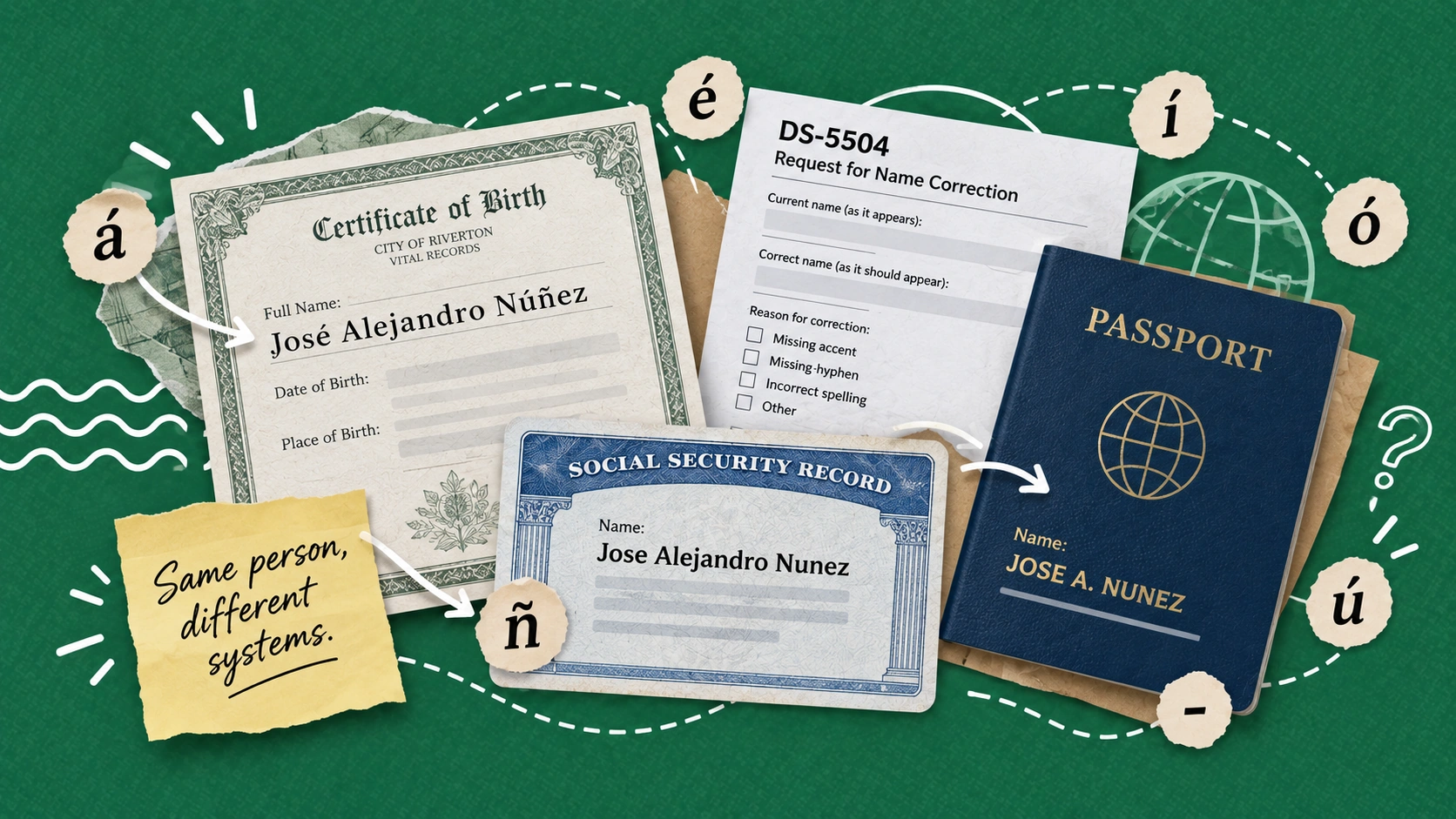
If your birth certificate is lost, damaged, or contains errors (such as a misspelled name), allow extra time to resolve issues before submitting your homebuyer application.
What If You’re Missing a Parent’s Information?
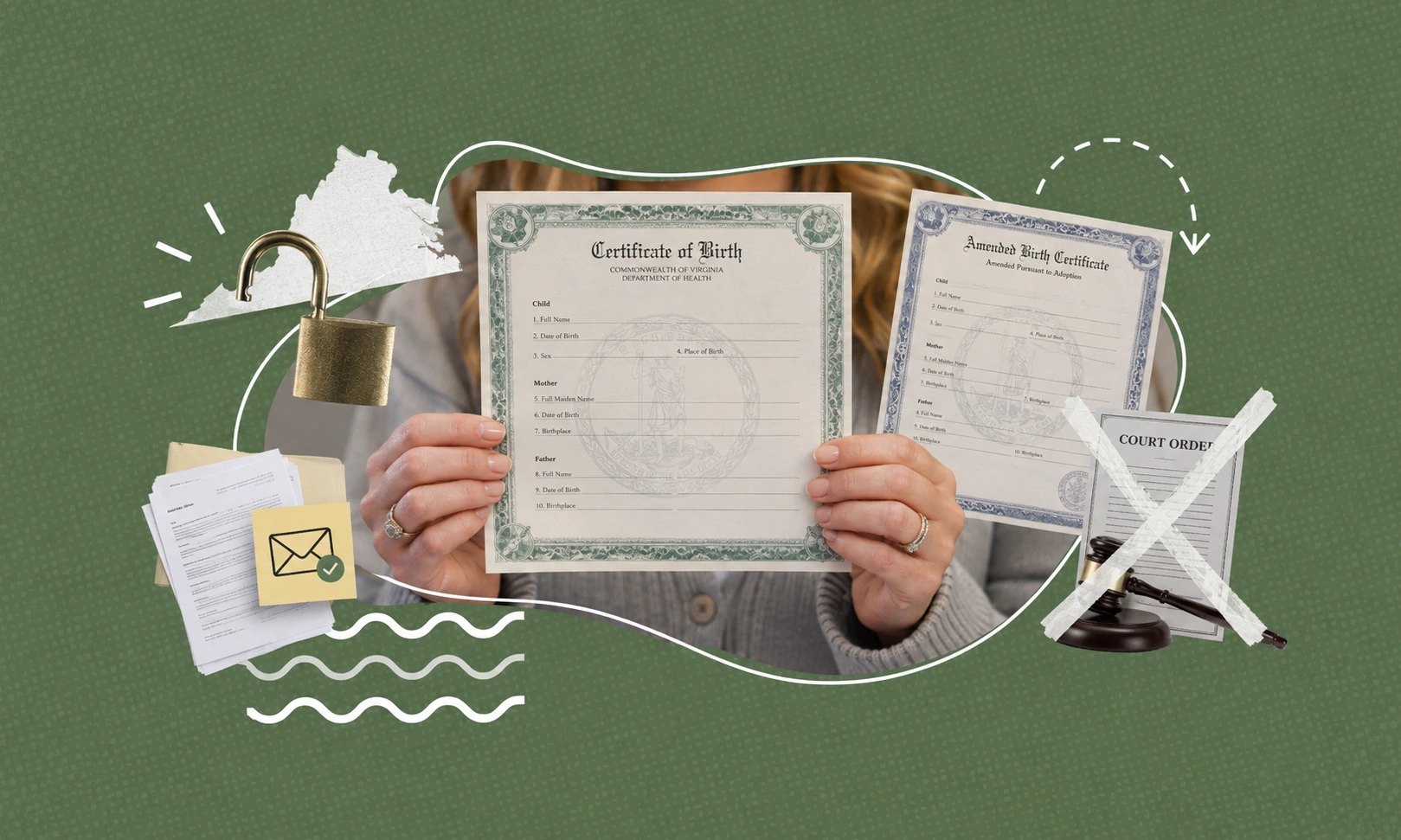
In some cases, your birth certificate may not list both parents, or you may be applying for a program that requires family verification, such as one related to tribal or military connections. If a parent’s name is missing from your certificate, you might be asked to submit supplemental legal documentation, such as:
- A marriage certificate (to prove parents were married at the time of your birth)
- Court-issued guardianship documents
- Paternity acknowledgement forms
- An amended birth certificate
If your eligibility hinges on proving descent, for example, from a tribal member or veteran, this documentation becomes crucial.
Other Vital Records That Support Your Application
While your birth certificate is often the primary record used for identity and eligibility, some programs also request other vital records, such as:
- Marriage Certificates – To verify spousal or family eligibility
- Death Certificates – If applying as a widow/widower or heir
- Adoption Records – If your legal parents are not your biological parents, but are tied to the program eligibility
These documents help provide a comprehensive picture of your family and housing history when applying for assistance.
Why This Matters More Than Ever
As housing costs rise across the country, first-time buyers are increasingly relying on down payment assistance to afford their first home. According to the Urban Institute, more than 2,000 DPA programs exist nationwide, and over 30% of first-time buyers use some form of financial assistance.
However, many qualified buyers miss out because they’re unaware of the documentation requirements or lack access to critical records, such as their birth certificate.
Making sure your vital records are up to date and accessible could be the key to unlocking thousands of dollars in assistance. In some cases, a missing birth certificate can delay your application from being processed and approved.
Don’t Overlook the Basics
When you’re preparing to buy your first home, it’s easy to focus on the financial side, credit scores, mortgage rates, and home prices. But sometimes, the most essential step is simply proving who you are and where you come from.
Your birth certificate is a powerful tool that helps verify your eligibility for housing programs designed to level the playing field for first-time buyers. Whether you’re applying for a grant, a forgivable loan, or a specialized local initiative, having the correct documents in hand, including a certified birth certificate, can mean the difference between securing your first home and watching the opportunity pass by.
If you’re starting the homebuying journey, take the time now to locate or request your birth certificate. It’s a small step that can unlock big possibilities.