The History of Birth Certificates: From Ancient Egypt to Modern Times
The history of birth certificates is a fascinating journey spanning thousands of years. From ancient civilizations to the modern digital age, birth certificates have evolved significantly in their form, function, and importance. Understanding this evolution provides insight into how vital records have shaped society and the way we document human life.
Ancient Origins of Vital Records
The concept of recording births dates back thousands of years. In ancient Egypt, birth records were kept as part of official documentation, particularly for royal families and the upper classes. These records served multiple purposes: establishing legitimacy, determining inheritance rights, and maintaining genealogical records. Similarly, in ancient Rome, censuses recorded births as part of population documentation, which was critical for taxation and military conscription purposes.
Medieval and Renaissance Development
During the medieval period, the Catholic Church became the primary keeper of vital records in Europe. Parish priests maintained registers of births, deaths, and marriages, which became the foundation for modern vital record systems. These church records were essential for establishing identity, proving legitimacy, and tracking genealogies. The practice of registering births through the church became standardized across much of Europe and remained the primary method for centuries.
Colonial America and Early United States
When European colonists arrived in North America, they brought their record-keeping traditions with them. In colonial America, birth certificates were often recorded in family bibles or church records rather than official government documents. It wasn’t until the late 1800s and early 1900s that the United States began establishing systematic vital registration systems at the state level.
The Birth of Modern Vital Registration (Late 1800s)
The late 19th century marked a turning point in the history of vital records. As industrialization and urbanization increased, the need for standardized, government-maintained records became more apparent. New York City was one of the first jurisdictions to establish a modern vital registration system in 1847. However, it wasn’t until the early 20th century that most U.S. states had enacted comprehensive vital registration laws.
By 1933, all states had some form of vital registration system in place, though the quality and comprehensiveness of these systems varied significantly. These official birth certificates served as crucial documents for proving identity, age, and citizenship.
Evolution of Birth Certificate Forms and Standards
Throughout the 20th century, birth certificates evolved in both form and content. Early versions contained minimal information—often just the child’s name, birth date, and parents’ names. Over time, additional information was added, including:
- Parents’ occupations and birthplaces
- Race or ethnicity (a practice that evolved with changing social standards)
- Name of the attending physician or midwife
- Witnesses to the birth
- More detailed maternal and paternal information
These additions reflected society’s changing needs for identification and record-keeping purposes.
Birth Certificates and Legal Identity
As the 20th century progressed, birth certificates became the primary legal proof of identity and citizenship in the United States. They became essential for accessing education, employment, healthcare, and government services. The marriage certificates and death certificates also became standardized and essential documents during this period.
International Perspectives on Birth Certification
While the United States developed its vital registration system gradually, other countries took different approaches. Some European nations, particularly those with strong church traditions, maintained church-based records for longer periods. Today, most developed nations maintain government-sponsored vital registration systems similar to the United States, though the specific details and requirements vary by country.
Modern Digital Era
In recent decades, birth certificates have begun transitioning into the digital age. Many states now maintain electronic vital records and offer online access to certified copies. This digitization has made it easier for individuals to obtain certified copies of their birth records without having to visit vital records offices in person. However, concerns about privacy and security have accompanied this technological shift.
Challenges and Amendments to Birth Certificates
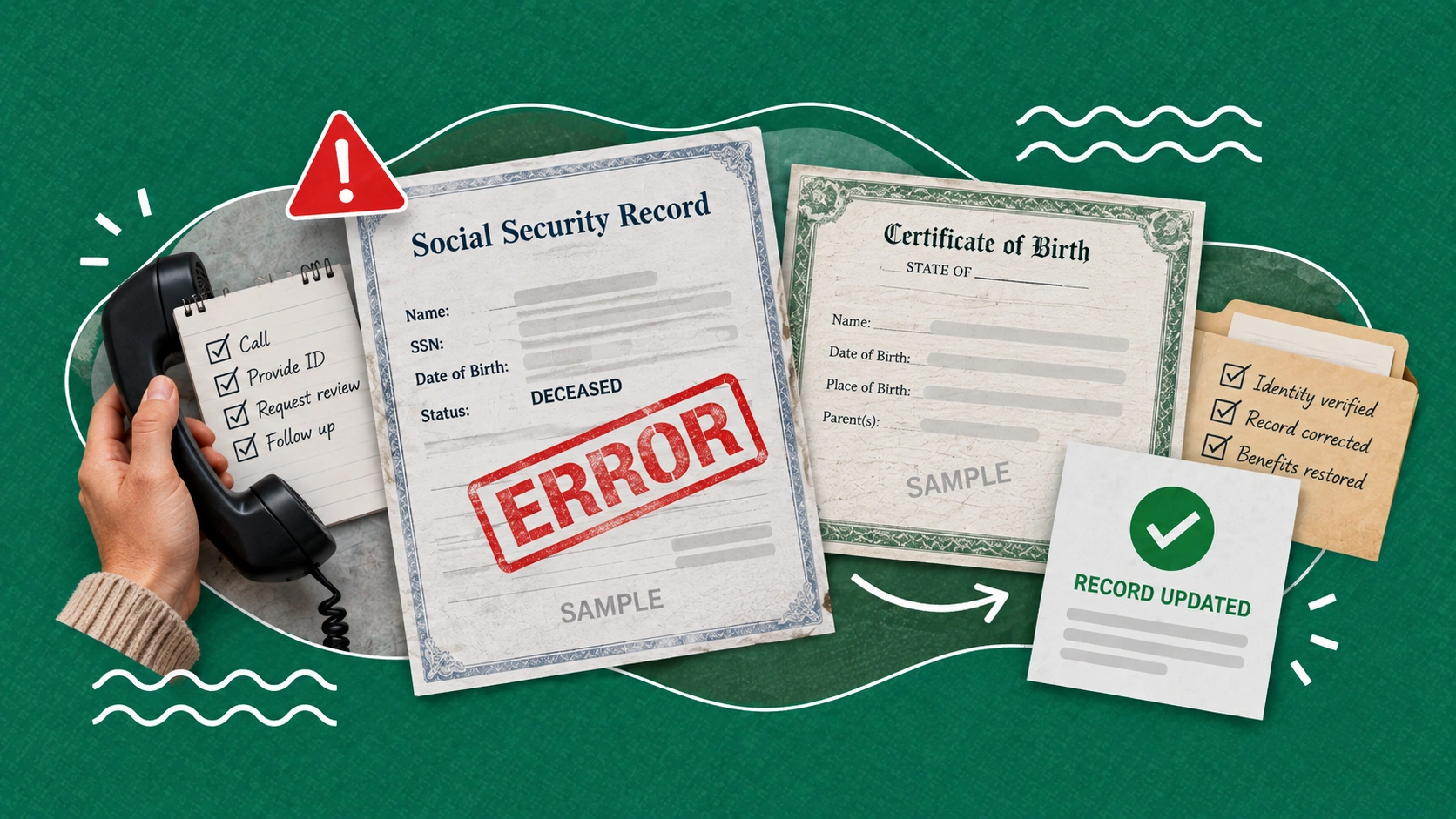
Throughout history, individuals have needed to amend or correct their birth certificates. Common reasons include correcting spelling errors, updating names due to marriage or other legal changes, and updating parental information. Modern vital records offices have established procedures for these amendments, though the process varies by state and the nature of the change.
The Future of Birth Certificates
As technology continues to advance, the future of birth certificates will likely continue to evolve. Some experts predict increased digitization, blockchain technology for secure record-keeping, and enhanced biometric identification methods. Despite these changes, the fundamental purpose of birth certificates—to document and certify the birth of an individual—will likely remain constant.
Conclusion
The history of birth certificates reflects the broader evolution of human civilization and our need to document and verify identity. From ancient Egyptian records to modern digital systems, birth certificates have played a crucial role in establishing legal identity, determining rights and responsibilities, and maintaining genealogical records. Understanding this rich history helps us appreciate the importance of these vital documents in modern society and prepares us for their continued evolution in the digital age.