Moving Abroad? 8 Reasons You May Need U.S. Vital Records Internationally

Moving abroad? You may need U.S. vital records for various purposes. Whether you’re relocating permanently or temporarily, here are 8 key reasons why you might need U.S. vital records internationally.
1. Marriage or Civil Partnership Registration
If you’re planning to marry abroad, many countries require a birth certificate and proof of marital status. You may need certified copyies of your birth certificate and any previous marriage or death certificates if you’re widowed or divorced.
2. Visa and Residency Applications
Many visa applications require proof of identity and ancestry. Vital records such as birth certificates and death certificates help establish your identity and connection to your home country. Some countries use these records to process residency permits and long-term visas.
3. Passport Application or Renewal
A birth certificate is required to apply for or renew a U.S. passport. You’ll need a certified copy issued by your state’s vital records office. Some passport renewal agencies accept electronic copies, but originals are typically required.
4. Inheritance or Estate Matters
If you’re inheriting property or assets internationally, you may need to prove your relationship to the deceased. Death certificates and birth certificates establish these relationships for legal purposes. Many countries require these documents for property transfer and inheritance proceedings.
5. Employment Verification
Some employers abroad require background checks and verification of identity. Vital records help establish your identity for employment verification purposes. Certain professions (teaching, healthcare) may require additional background checks using your vital records.
6. Insurance and Banking
When opening accounts or securing insurance abroad, banks and insurance companies often require identity verification. A birth certificate or certified copy helps establish your identity and residency status. Some institutions require vital records for KYC (Know Your Customer) compliance.
7. Healthcare and Medical Records
Healthcare providers abroad may request your birth certificate to establish your identity and age. This is especially important for insurance claims and medical history verification. Some countries require vital records for medication prescriptions and medical procedures.
8. Educational Credential Verification
Universities and educational institutions abroad may require your birth certificate as part of the application process. This helps verify your age and educational eligibility. Some schools request vital records when evaluating international student status and visa sponsorship eligibility.
Preparing Your Vital Records for International Use
Before moving abroad, take these steps:
- Order multiple certified copyies of your birth certificate
- Request death certificates for deceased parents if needed
- Get marriage certificates if applicable
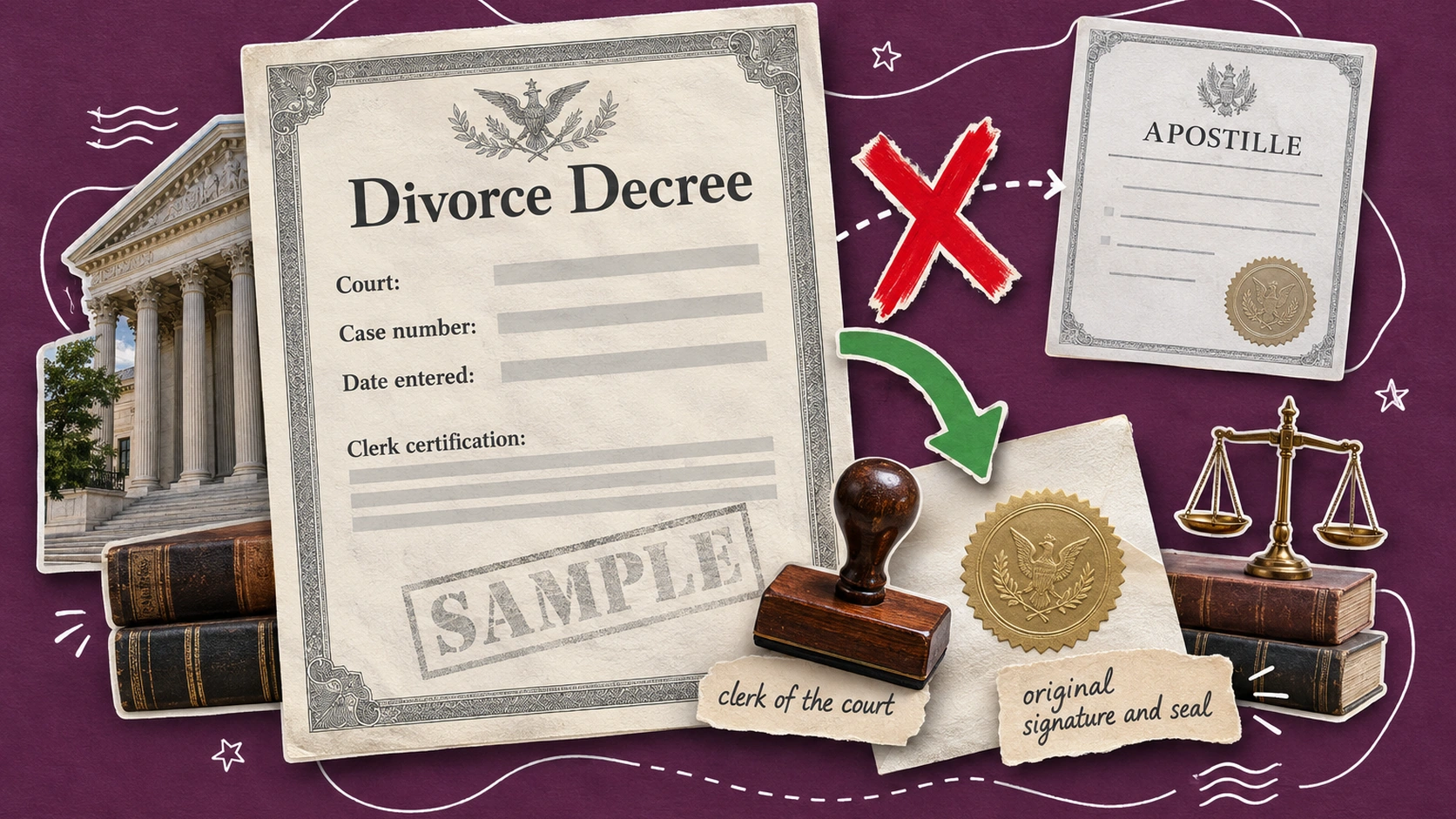
- Consider having documents apostilled (certified for international use)
- Keep digital copies in a secure location
- Store originals in a safe place at home and abroad
Apostille and Authentication
Many countries require an apostille, an official certification that your vital records are authentic for use in that country. Your state’s vital records office or Secretary of State can provide apostilles for your documents. This process typically takes 2-4 weeks and costs $10-25 per document.