Digital Birth Certificates in 2026: What They Are and Why You Still Need Paper
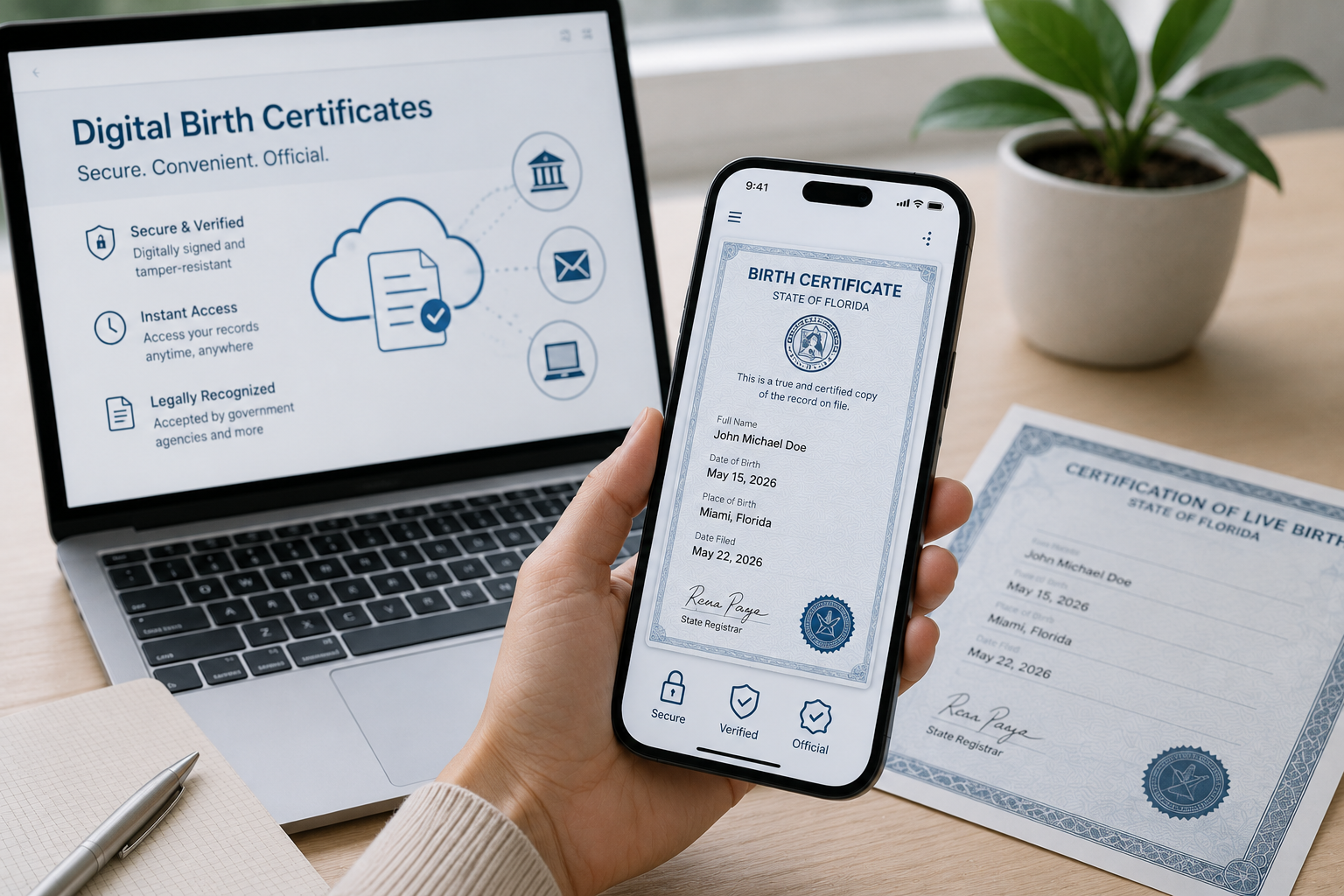
If you have heard that you can now get a birth certificate on your phone, the reality in 2026 is more nuanced. A true digital birth certificate is an electronic record issued directly by a state or county vital records office with built-in security features that verify its authenticity, and it is only available in a small number of places today. It is not the same as a scan or photo of a paper certificate, and for most official uses you will still need a certified paper copy.
Below, we explain what actually counts as a digital birth certificate, where things stand this year, the security behind these records, and the important reasons to keep a certified paper copy on hand.
What a True Digital Birth Certificate Really Is
The phrase “digital birth certificate” gets used loosely, so it helps to be precise. A genuine digital birth certificate is an official electronic record issued directly by the government office that maintains vital records. It carries digital security features, such as cryptographic or blockchain-based verification, that let a recipient confirm the record is authentic and unaltered.
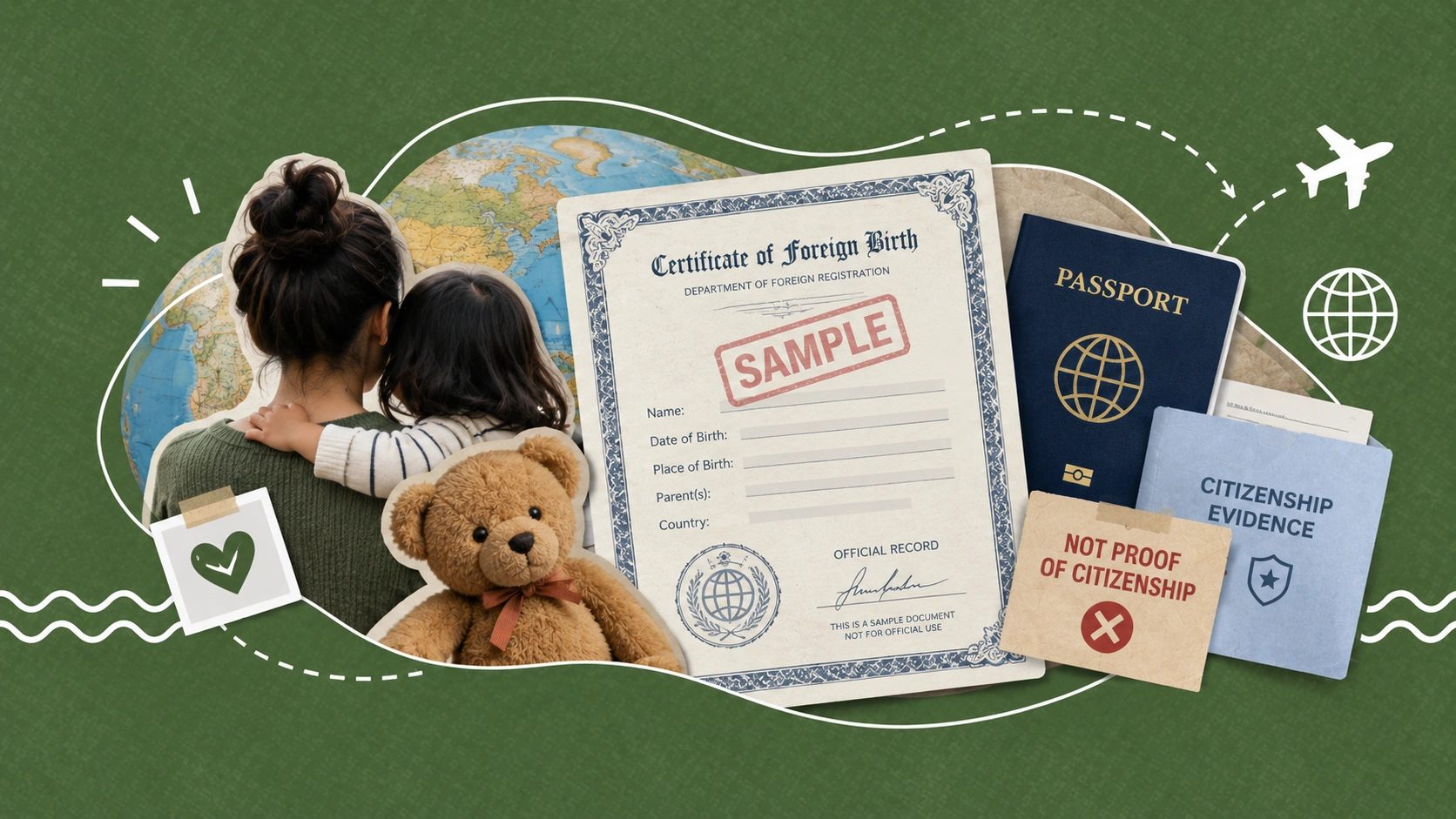
That is very different from a picture of your paper certificate. Here is how to tell them apart:
- A true digital certificate is issued by a state or county vital records office and includes verification features that prove it is genuine.
- A scan or photo of a paper certificate is simply an image. It has no official verification attached and is not treated as a certified legal document.
- A certified paper copy is the printed record issued by the vital records office, typically on security paper with an official seal, and remains the standard for most identity and legal needs.
In other words, saving a photo of your birth certificate to your phone does not give you a digital birth certificate in the official sense.
Which States Are Moving Toward Digital Vital Records in 2026
Adoption is still early, and availability varies widely from one state to the next. Only a handful of states and counties have launched or piloted digital vital records so far, so having one is the exception rather than the rule.
A couple of notable examples show the direction of travel:
- California has authorized counties to issue blockchain-secured digital birth, death, and marriage records through state legislation amending its Health and Safety Code. This lets participating counties offer records with tamper-evident digital verification.
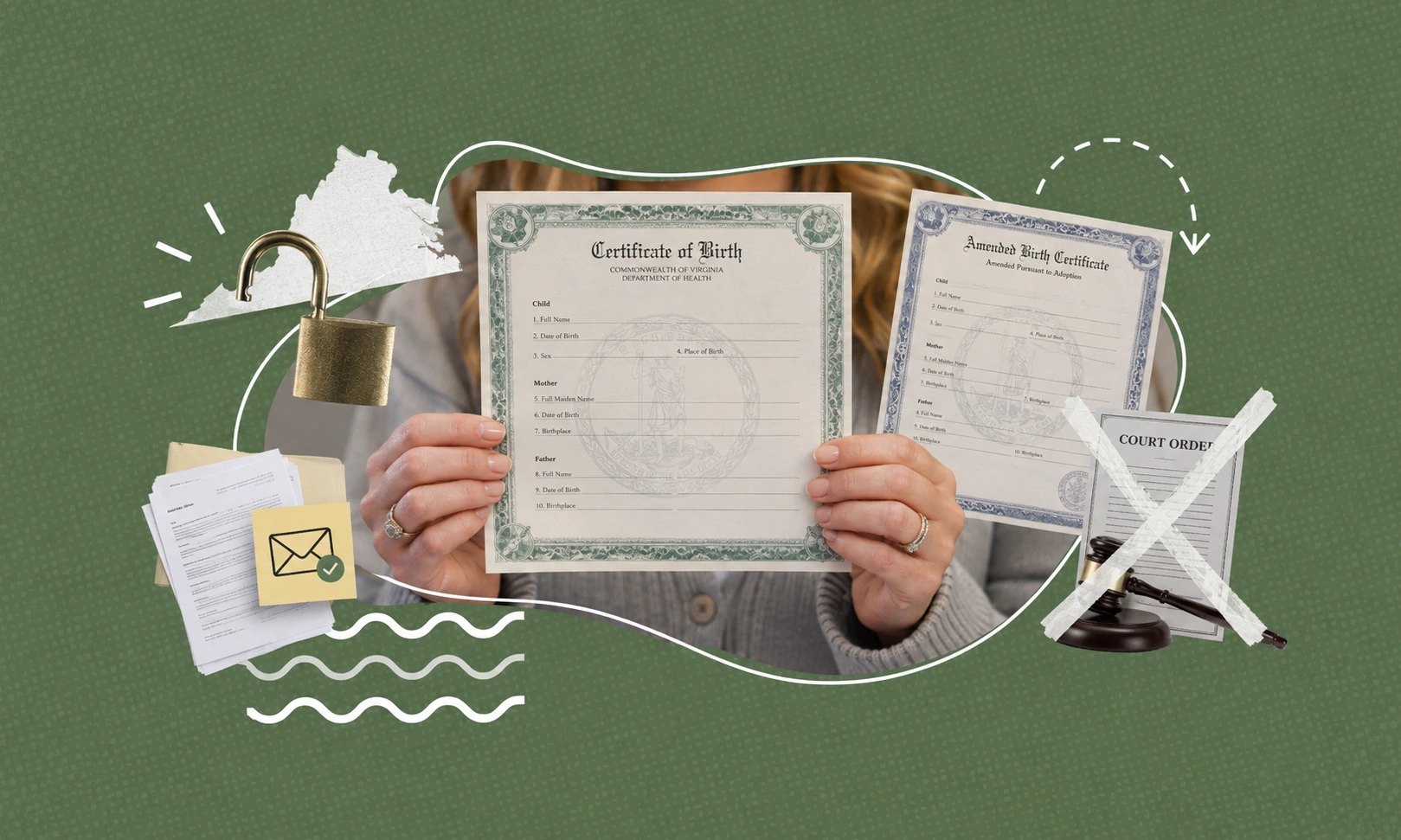
- Virginia launched a new fully online system in 2026 through the Virginia Department of Health that lets residents apply for, pay for, and receive updates on their vital records requests online.
Because programs differ so much, the only reliable way to know what is available where you were born is to check with that specific state or county vital records office. The CDC’s Where to Write for Vital Records directory is a helpful starting point for finding the right office.
The Security Behind Digital Certificates
The main appeal of a properly issued digital birth certificate is security combined with convenience. Instead of relying only on paper and ink, these records use technology to make tampering easy to detect.
- Cryptographic verification allows an agency or business to confirm that a record was issued by the government and has not been altered.
- Blockchain-based records, like those California has authorized counties to issue, create a tamper-evident trail that supports authenticity.
- Faster, trackable requests, as seen in Virginia’s online system, can reduce mail delays and give applicants status updates along the way.
These features are promising. Still, they do not yet replace the paper document in the many settings that continue to require it.
The Big Limitation: Paper Is Still Required
This is the part that surprises people. Even where a digital option exists, you should keep at least one certified paper copy of your birth certificate. Many of the most important uses of a birth certificate still call for the physical, certified document.
- U.S. passports: Passport applications generally require a certified paper copy of your birth certificate.
- Most REAL ID applications: When proving identity for a REAL ID, agencies typically ask for a certified paper document.
- Courts and legal proceedings: Many court and legal matters require a certified paper copy on file.
- Other identity verification: Employers, schools, and agencies frequently ask for the certified paper version.
Because digital availability is limited and acceptance is not universal, a certified paper copy remains the dependable, widely accepted format. Treat any digital record as a convenient addition, not a replacement.
How to Order a Certified Copy
To request a certified copy, you order from the vital records office in the state or county where the birth was recorded. Requirements, fees, and processing times vary by location, and some offices now offer online applications while others still rely on mail or in-person requests.
If you are not sure where to begin or want help preparing your request accurately, you can also use an optional service to guide you through it.
A note on how VRO fits in: Vital Records Online is a third-party service, not a government agency, and it does not issue birth certificates. Government vital records offices issue the certified records. VRO offers optional paid help to complete and submit your application to order a certified copy, which some people find easier than navigating each office on their own. You can always order directly from the government if you prefer. To get started with assistance, see our birth certificate service or begin your order a birth certificate request.
Frequently Asked Questions
Is a scanned or photographed birth certificate the same as a digital one?
No. A scan or photo is just an image and is not a certified legal document. A true digital birth certificate is issued directly by a vital records office and includes security features that verify its authenticity.
Can I use a digital birth certificate for a passport or REAL ID?
Generally no. U.S. passports and most REAL ID applications still require a certified paper copy, so you should keep at least one on hand even if a digital version is available where you were born.
Which states offer digital birth certificates in 2026?
Availability is limited and varies by state. Only a handful of states and counties have launched or piloted digital vital records. California has authorized counties to issue blockchain-secured records, and Virginia launched a new online vital records system in 2026.
How do I get a certified copy of my birth certificate?
You order from the vital records office in the state or county where the birth occurred. Requirements and fees vary by location. VRO can also help you prepare and submit your request for an optional fee.
Related Guides
- Can I Download and Print a Birth Certificate Online? — why an online image is not a certified document
- Long-Form vs. Short-Form Birth Certificate — which version you need and when
- Do Birth Certificates Expire? — what to know about validity and reissued copies
- REAL ID and Your Birth Certificate — why paper documents still matter for REAL ID
Ready to secure a certified copy you can rely on for passports, REAL ID, and legal needs? Start your birth certificate request with VRO today.