The Census Age Search Service Is Paused in 2026: What It Means and How to Prove Your Age or Birth
If you were planning to use the U.S. Census Bureau’s Age Search Service to confirm someone’s age or birth details, there is an important update to know. Effective March 4, 2026, the Age Search Service is on pause, and new requests are not being processed at this time. The good news is that the service is only one of several ways to document a person’s age, birth, or parentage, and practical alternatives remain available while it is paused.
This guide explains what the Age Search Service is, what the pause means, who is affected, and the steps you can take right now to obtain the proof you need.
What the Census Age Search Service Is
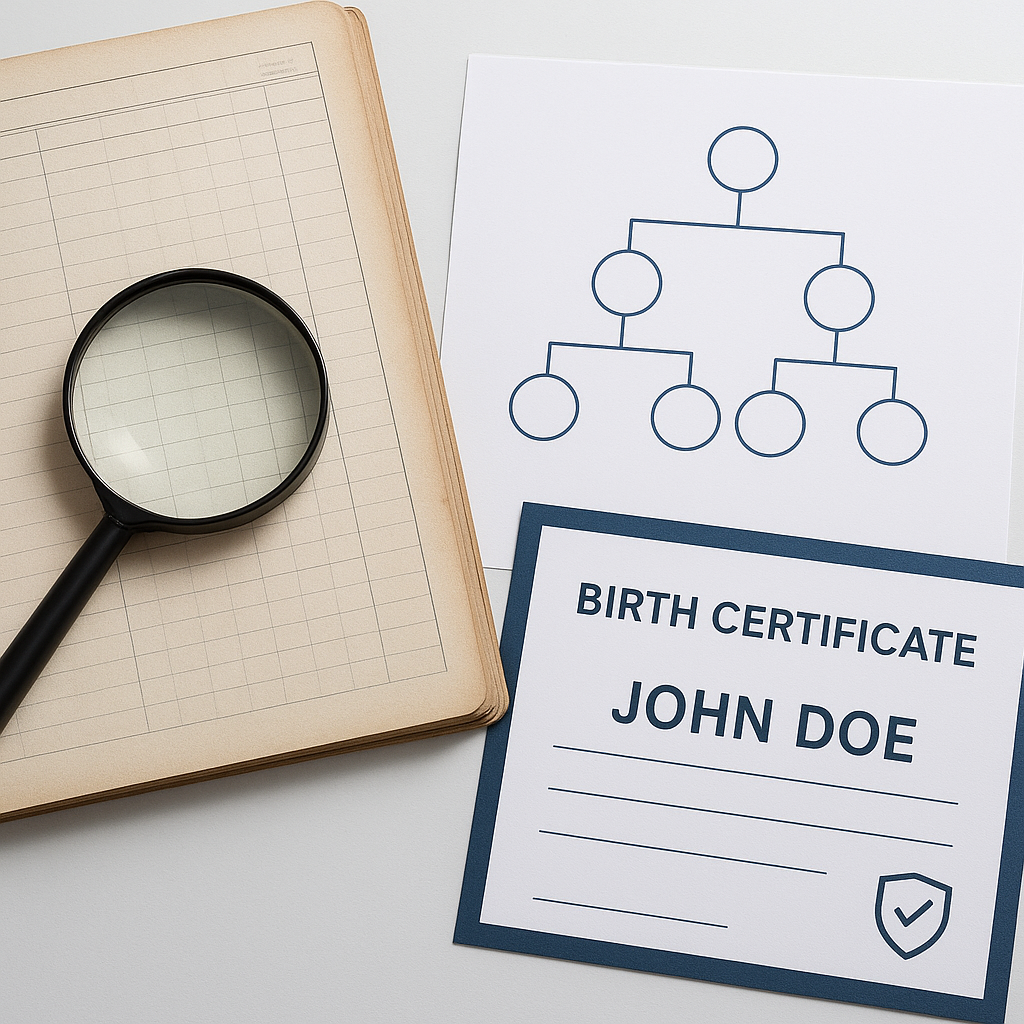
The Age Search Service is a paid service operated by the U.S. Census Bureau. It searches confidential federal census records from 1950 and later and provides an official transcript documenting facts about a specific person.
- What it confirms: A transcript can show a person’s age, place of birth, parents’ names, or citizenship as recorded in the census.
- Who has used it: People who need proof of age or birth for Social Security, a passport, or other benefits when they do not have a birth certificate, as well as genealogists researching family history.
- Privacy limits: Because recent census records are confidential, the service applies restrictions on who may request a transcript and for whom, which is why genealogical use has always been limited.
For the official description of the service and its history, see the U.S. Census Bureau’s Age Search Service page and its genealogical resources FAQ.
What the 2026 Pause Means
As of March 4, 2026, the Age Search Service is paused and is not accepting or processing new requests. The pause does not change what census records contain or eliminate other ways to document age and birth. It simply means this particular channel is unavailable for now.
- New requests: Requests are not being processed while the service is paused.
- Timing: The Census Bureau has not published a set reopening date in the facts available here, so treat the pause as ongoing until officially updated.
- Confirm current status: Because government services can change, always verify the latest status directly on the Census Bureau’s pages before making plans.
Who Is Affected by the Pause
Two groups feel the pause most directly.
- People who lack a birth certificate: Anyone who relied on a census transcript to prove age or birth for Social Security, a passport, or another benefit will need to use a different form of evidence while the service is paused.
- Genealogists and family historians: Researchers who requested transcripts to fill gaps in a family tree must turn to other records for now.
If you are researching your family, our genealogy resources and our guide on how to research family history can help you plan an alternate path.
Practical Alternatives While the Service Is Paused
Depending on your situation, one of the following options will usually meet your need for proof of age, birth, or parentage.
- Request a certified birth certificate: If a birth record was filed, the fastest route is often a certified copy from the state or county where the birth occurred. This is the primary document most agencies prefer.
- Pursue a delayed birth certificate: If no original record was ever filed, many states allow you to establish a “delayed” birth certificate using supporting documents. Contact the vital records office in the birth state to learn its specific requirements.
- Gather secondary evidence: When no birth certificate exists, agencies may accept other records such as baptismal or church records, hospital records, early school records, or a family Bible entry. Acceptance depends on the requesting agency, such as the Social Security Administration or the U.S. Department of State for a passport.
- Check the requesting agency’s rules first: Before you collect documents, confirm exactly what evidence the agency will accept so you gather the right combination the first time.
For federal benefit questions, the Social Security Administration explains acceptable proof of age and identity, and the National Archives census records pages describe which historical census records are open to the public.
How to Order a Birth Certificate as Your Best Alternative
For most people, a certified birth certificate is the strongest and most widely accepted proof of age and birth. If you know the state and county of birth, you can request a certified copy from that jurisdiction’s vital records office.
- Born in another state: You can still order from the birth state by mail or online. See our guide on how to order a birth certificate from another state.
- Born abroad or on a military base: Different rules apply. Our guide on ordering a U.S. birth certificate when born abroad walks through the process.
- Missing family details: If you are stuck on names or dates, our article on tracing grandparents’ names offers a starting point.
A Note on Government Services vs. VRO
Vital Records Online is a third-party service, not a government agency, and we do not issue certificates or run the Census Age Search Service. Certified vital records are issued only by the appropriate state, county, or federal office. What we offer is optional paid help preparing and submitting your application to order a certified birth certificate, so the choice between applying directly with the government or using our assistance is always yours.
Frequently Asked Questions
Is the Census Age Search Service permanently closed?
No. Based on current information, it is paused as of March 4, 2026, and new requests are not being processed at this time. There is no confirmed reopening date here, so check the Census Bureau’s official pages for the latest status.
How can I prove my age if I do not have a birth certificate?
Start by requesting a certified birth certificate from the birth state. If none was ever filed, ask the state about a delayed birth certificate, or gather secondary evidence such as baptismal, hospital, or early school records that your requesting agency will accept.
What is a delayed birth certificate?
It is a birth record created after the fact when no original was filed at the time of birth. States set their own rules and typically require supporting documents to establish the birth facts. Contact the vital records office in the birth state for details.
Can Vital Records Online run an age search for me?
No. The Age Search Service is a Census Bureau program and is currently paused. VRO is a third-party service that can help you prepare and submit an application for a certified birth certificate, which is the most widely accepted proof of age and birth.
Related Guides
- How to Research Family History: a practical starting point for genealogy research.
- How to Order a Birth Certificate From Another State: steps for requesting records out of state.
- Ordering a U.S. Birth Certificate When Born Abroad: guidance for births overseas or on military bases.
- I Never Knew My Grandparents’ Names: how to trace missing family details.
Ready to secure the proof of age and birth you need? Start your certified birth certificate application with Vital Records Online today.