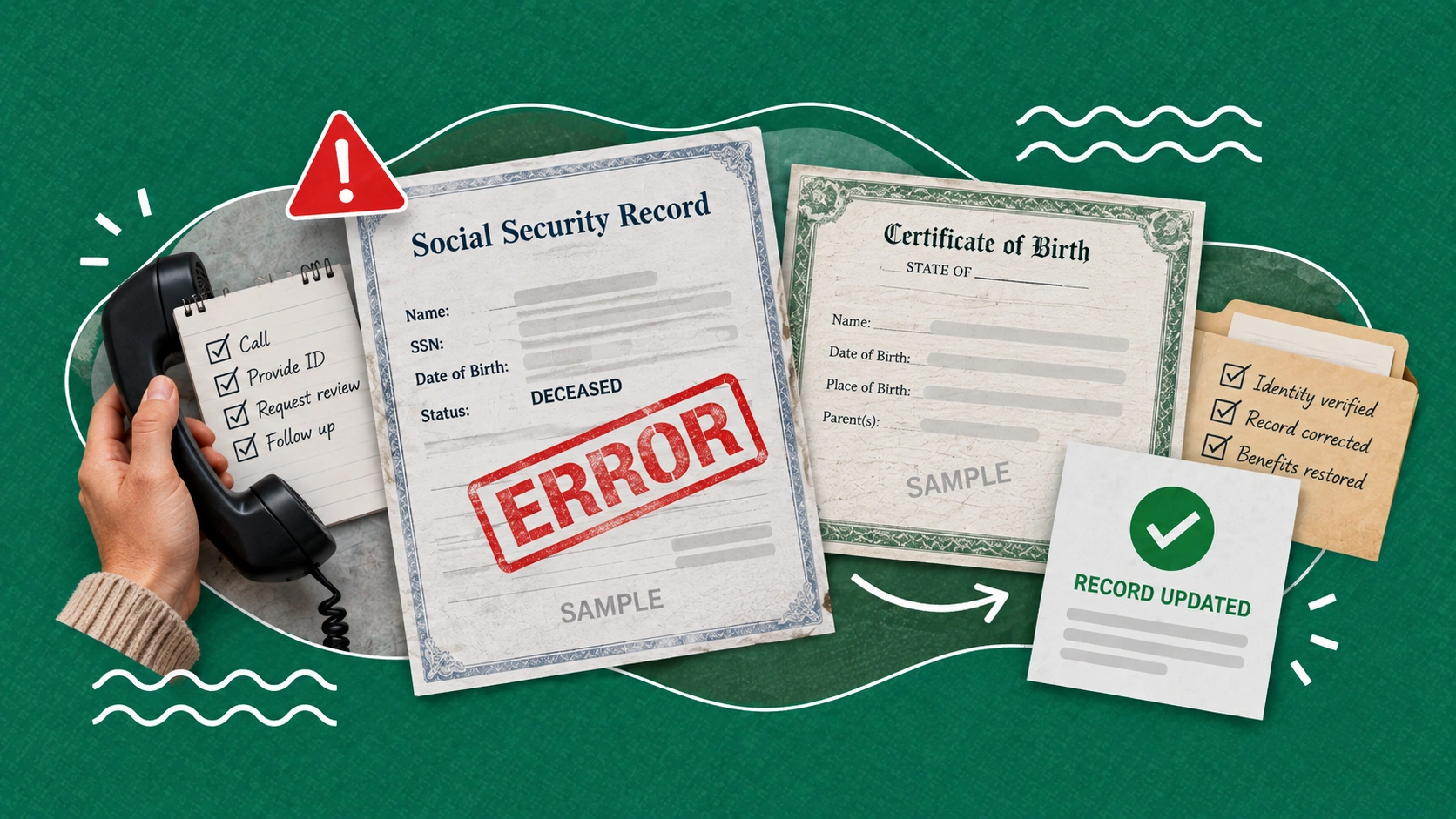
Child Identity Theft: How to Protect Your Child’s SSN and Vital Records
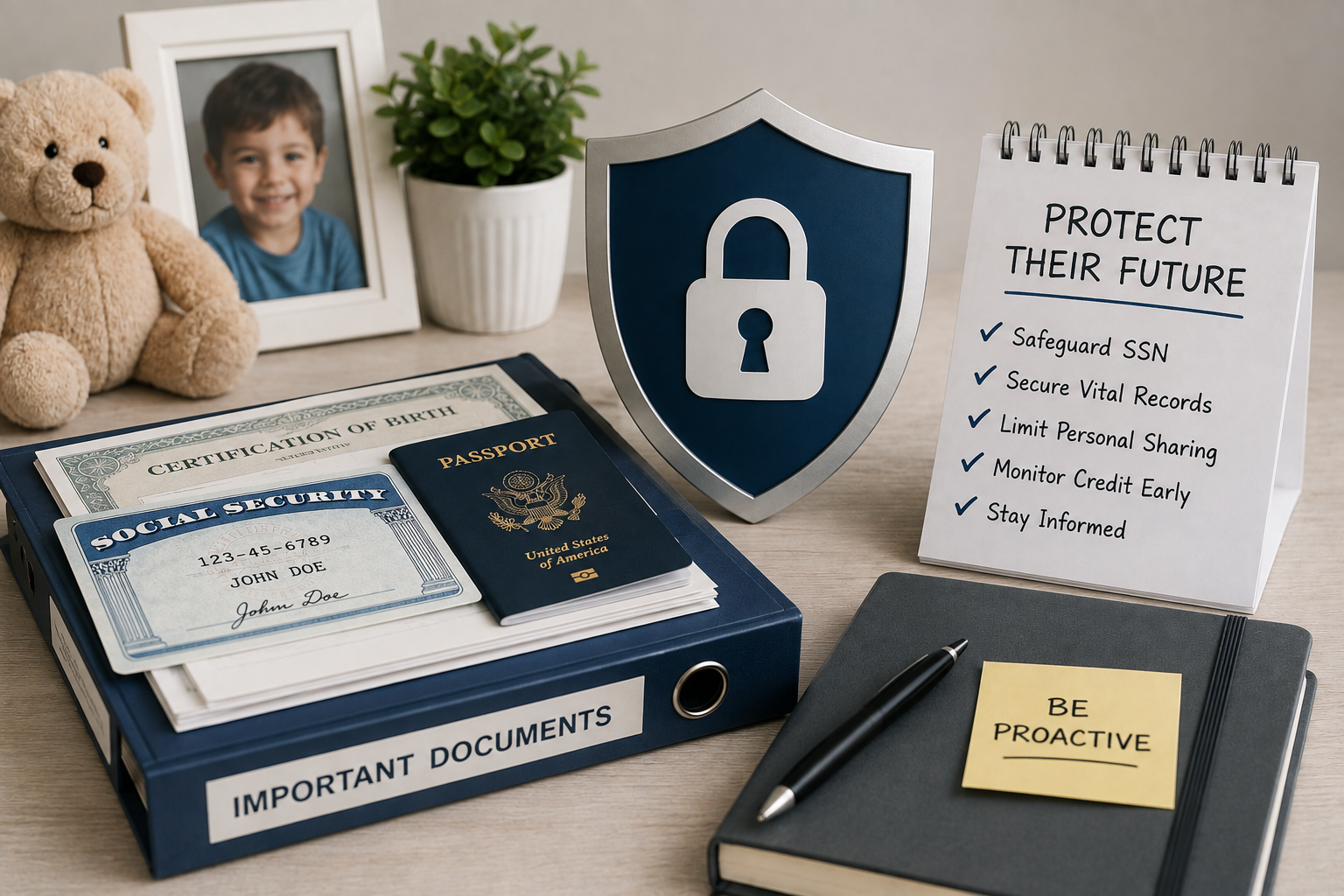
Identity thieves increasingly target children, and the damage can go unnoticed for years. Because a child’s Social Security number has no credit history attached to it, criminals can misuse it quietly until your child grows up and applies for a first job, a student loan, an apartment, or government benefits. The good news is that a few free, straightforward steps let you lock down your child’s SSN and vital records long before any problem starts.
Why Children Are Prime Targets
A child’s Social Security number is a blank slate. There is no existing credit file, no payment history, and usually no one checking it. That combination makes a child’s SSN especially valuable to criminals who want to open accounts, apply for credit, or file fraudulent tax returns without immediate detection.
- Unused SSNs stay “clean”: Since no one is monitoring a young child’s credit, misuse can continue undetected for years.
- Delayed discovery: Many families only learn about the theft when the child becomes a teenager or young adult and is suddenly denied credit or benefits.
- High-value documents: A Social Security card paired with a certified birth certificate can be enough for someone to impersonate your child.
Warning Signs to Watch For
Child identity theft is often invisible, but certain red flags suggest that someone may already be using your child’s information. Pay attention if:
- Unexpected mail arrives: Your child receives pre-approved credit card offers, collection calls, or bills for accounts you never opened.
- Government notices appear: The IRS sends a notice indicating your child’s SSN was used on a tax return, or you are denied government benefits because they are already being claimed under your child’s number.
- A credit report exists: You discover that a credit file already exists in your child’s name, which usually should not happen for a minor.
Protective Steps You Can Take Today
The Federal Trade Commission (FTC) recommends several practical measures to shield your child’s identity. Most cost nothing.
- Freeze your child’s credit for free: Place a credit freeze at all three major bureaus — Equifax, Experian, and TransUnion. A freeze is free and prevents new accounts from being opened in your child’s name.
- Safeguard the physical documents: Keep your child’s Social Security card and certified birth certificate in a secure place such as a lockbox. Do not carry them in a wallet or bag.
- Share the SSN only when truly necessary: Before providing your child’s number, ask why it is needed, whether it is required, and how it will be protected and stored.
- Check for an existing credit file: Periodically confirm whether a credit report exists in your child’s name. In most cases, a minor should not have one.
What to Do If It Happens
If you suspect your child’s identity has been stolen, act quickly and follow the official guidance from the FTC.
- Report it: Visit IdentityTheft.gov to report the theft and get a personalized recovery plan.
- Freeze the credit: Place a credit freeze or fraud alert at all three bureaus to stop further misuse.
- Contact the companies involved: Reach out to any business where a fraudulent account was opened and ask them to close it and remove the charges.
A Back-to-School Note on SSN Requests
As the school year begins, enrollment paperwork, sports sign-ups, and activity forms sometimes ask for a child’s Social Security number. In many cases, providing it is optional. Before you write it down, ask whether the number is actually required, why it is needed, and how the school or organization will store and protect it. When it is not required, it is usually safest to leave that field blank.
Government Channels vs. Vital Records Online
Freezing credit, reporting fraud, and issuing Social Security numbers are handled only through official channels such as the three credit bureaus, IdentityTheft.gov, and the Social Security Administration. Vital Records Online is a third-party service — not a government agency — that offers optional paid help preparing applications to order or replace certified vital records such as your child’s birth certificate. We do not provide credit monitoring or file identity-theft reports on your behalf; those steps must be done directly through the official resources above.
Frequently Asked Questions
Does my young child even have a credit report?
Usually not. A minor generally should not have a credit file. If one exists, it can be a sign that someone has used your child’s Social Security number, and it is worth investigating right away.
Is a credit freeze for my child really free?
Yes. Under federal law, placing and lifting a credit freeze is free at all three bureaus, including freezes for children under 16 requested by a parent or guardian.
Do I have to give my child’s SSN on a school form?
Often it is optional. Ask whether the number is required, why it is being collected, and how it will be protected. If it is not required, you can typically decline to provide it.
How do I replace a lost birth certificate or Social Security card?
Request a certified birth certificate through your state’s vital records office or a service like Vital Records Online, and replace a Social Security card directly through the Social Security Administration.
Related Guides
- How to Protect Your Vital Records and Avoid Fraud
- How to Get a New or Replacement Social Security Card
- Can You Laminate Your Social Security Card?
For more on when and how a child’s number is used, see our Social Security use case guide, and learn more about our services on the Vital Records Online home page.
Protect your child’s identity from day one: keep certified copies secure and replacements ready. Order or replace your child’s certified birth certificate through Vital Records Online today.