Do You Need a REAL ID to Fly? Yes — Here’s What to Know in 2026
Do You Need a REAL ID to Fly? Yes — Here’s What to Know in 2026
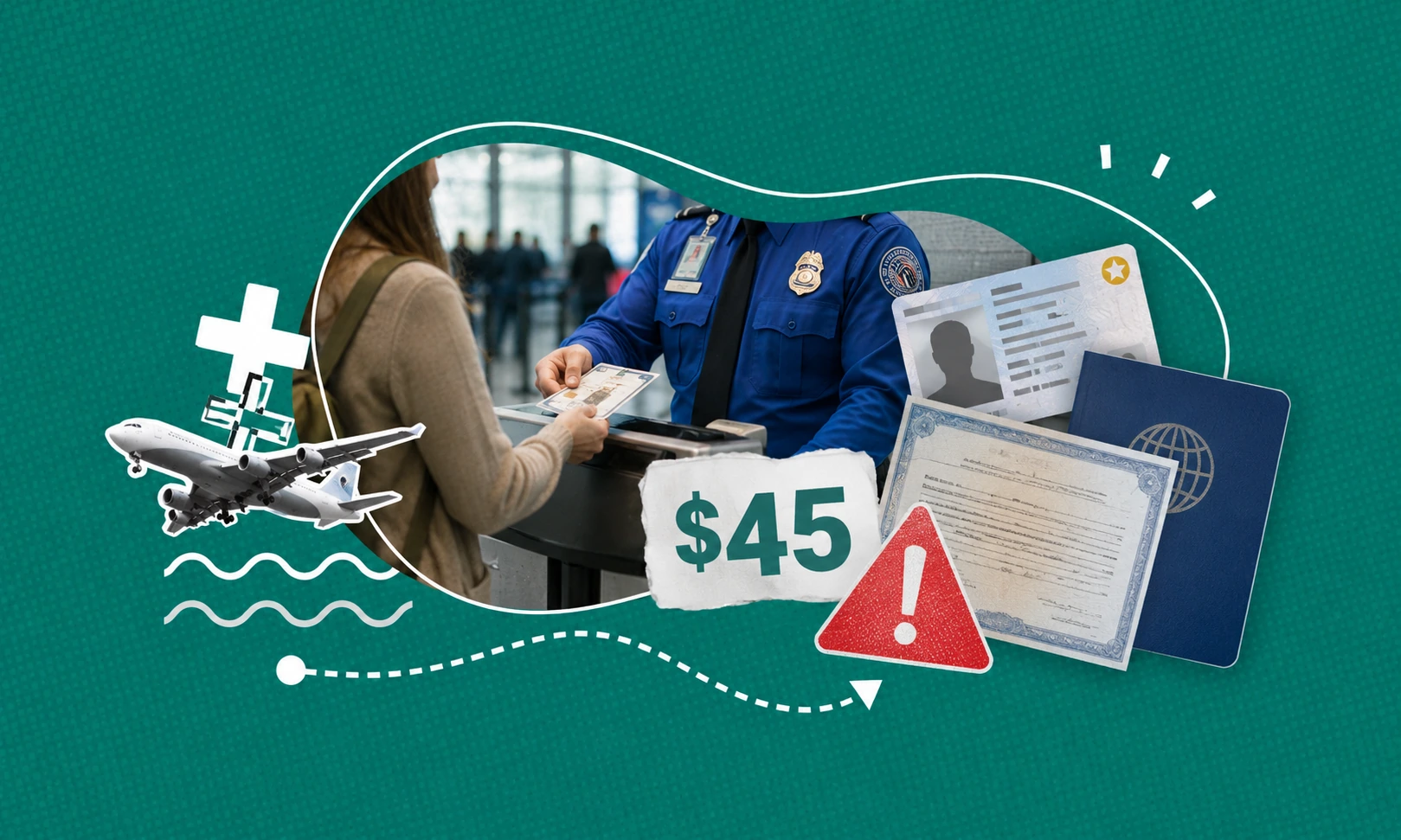
Since May 7, 2025, all U.S. citizens have been required to carry a REAL ID compliant form of identification to board domestic flights. This federal requirement applies to adults and children alike. If you don’t have a REAL ID, you should apply for one as soon as possible. You can also use a valid U.S. passport as an alternative.
What Is REAL ID?
The REAL ID Act is a federal law passed in 2005. It requires all states to issue driver’s licenses and identification cards that meet specific security standards. A REAL ID compliant ID is now required for domestic air travel and entry to federal facilities.
What Documents Do You Need for a REAL ID?
To apply for a REAL ID at your local DMV, you’ll need to bring:
- Proof of identity – A birth certificate, U.S. passport, or government-issued ID
- Proof of Social Security Number – A Social Security card or W-2 form
- Proof of residence – A utility bill, lease agreement, or bank statement
- Completed application form – Available at your local DMV
Can You Use a Passport Card Instead of REAL ID?
Yes. A valid U.S. passport, passport card, or passport book can serve as a REAL ID alternative for domestic flights. You don’t need to obtain a separate REAL ID compliant driver’s license if you have a valid passport.
What If You Lost Your Birth Certificate?
If you don’t have a birth certificate and need one to apply for REAL ID, you can request a replacement from your state’s vital records office. Many states allow you to apply online, and processing times typically range from 5 to 10 business days for expedited requests.
When Do You Need a REAL ID?
As of May 7, 2025, you need a REAL ID or other acceptable form of identification to:
- Board domestic flights
- Access federal military bases
- Enter secure federal facilities
How Much Does a REAL ID Cost?
A REAL ID compliant driver’s license typically costs between $15 and $40, depending on your state. Some states charge additional fees for expedited processing.